
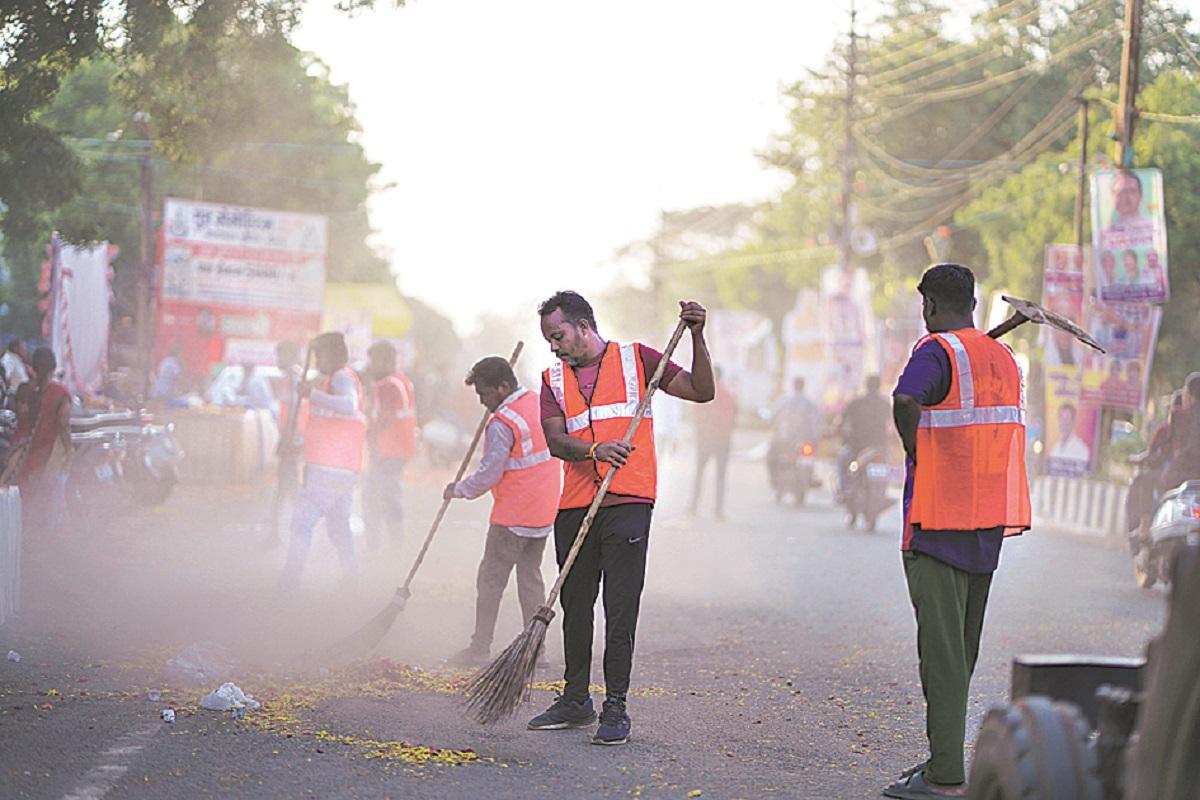
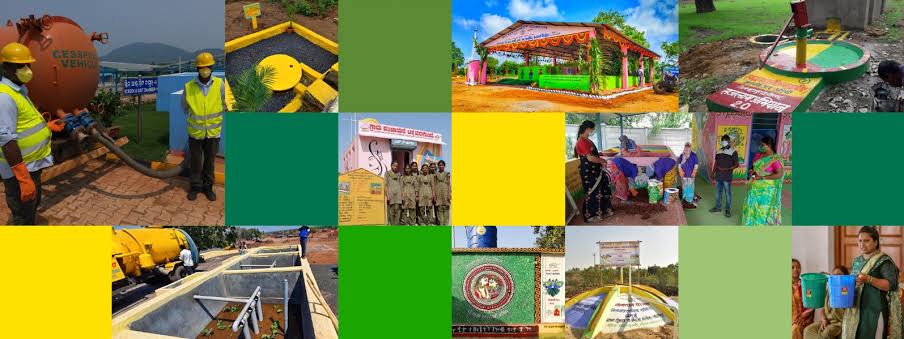

An ODF Plus village is one that not only sustains its ODF status but also ensures solid and liquid waste management and maintains visual cleanliness. The programme uses three progressive stages to recognise achievement and readiness:
- Aspiring: Sustains ODF and has arrangements for either solid OR liquid waste management.
- Rising: Sustains ODF and has arrangements for BOTH solid AND liquid waste management.
- Model: Meets all ODF Plus criteria, demonstrates visual cleanliness and displays IEC messaging on ODF Plus.
Verification and sustainability checks
Villages self-declare ODF Plus status in Gram Sabha meetings once they meet criteria. The district administration must arrange mandatory third-party verification within 90 days of the first-time ODF Plus declaration this third-party verification is compulsory for villages claiming Model status. Supervisory verification by block, district and state officials may be undertaken across all categories to ensure sustained outcomes.
Incentives, assets and SC/ST priority
Under SBM(G), the Department of Jal Shakti provides an incentive of ₹12,000 per Individual Household Latrine (IHHL) for eligible households prioritising BPL and identified APL households, with first preference among APL given to SC/ST households per Phase II guidelines. The mission also supports construction of Community Sanitary Complexes (CSCs) to cater to community sanitation needs, prioritising locations with significant SC/ST habitations.
State-wise allocations for SC/ST initiatives
The Ministry has allocated funds under the FY 2025–26 budget for targeted SC/ST interventions across states and union territories. The Annexure to the Rajya Sabha reply lists allocations and expenditures in lakhs for example, Uttar Pradesh shows significant allocation for SCs (₹37,515.60 lakhs) while West Bengal and Tamil Nadu record large expenditures for SC-focused components. These allocations aim to ensure equity in sanitation access and targeted infrastructure where the need is greatest.
Community engagement, IEC and youth involvement
Success under SBM(G) is attributed to concerted community mobilisation, behaviour change communication and the active role of local institutions Gram Sabhas, schools, youth groups and self-help groups. Displaying ODF Plus IEC messages, regular cleanliness drives and village-level monitoring help entrench cleaner behaviours and maintain visual cleanliness over time.
Challenges ahead: behaviour, maintenance and fiscal flows
Officials note that reaching ODF Plus is only the start of a longer journey. Sustained solid and liquid waste management requires regular operation and maintenance of assets, dependable waste collection systems, functional fecal sludge management where required, and predictable fund flows. Capacity building for gram panchayats and clear assignment of responsibilities are essential to prevent infrastructure from falling into disrepair.
Why third-party verification matters
Independent verification strengthens credibility and helps identify implementation gaps. For Model villages, third-party checks validate not just infrastructure but the behavioural and systems components from household usage rates to appropriate waste disposal practices and community IEC presence.
What to expect next under SBM(G)
With a large number of villages already in the Model category, the Ministry’s near-term focus includes completing verification cycles, scaling up CSCs in priority SC/ST areas, strengthening waste-management value chains and promoting low-cost technological solutions for septage and solid waste processing. Continued monitoring through IMIS will guide targeted support to lagging districts and ensure resources reach priority communities.