
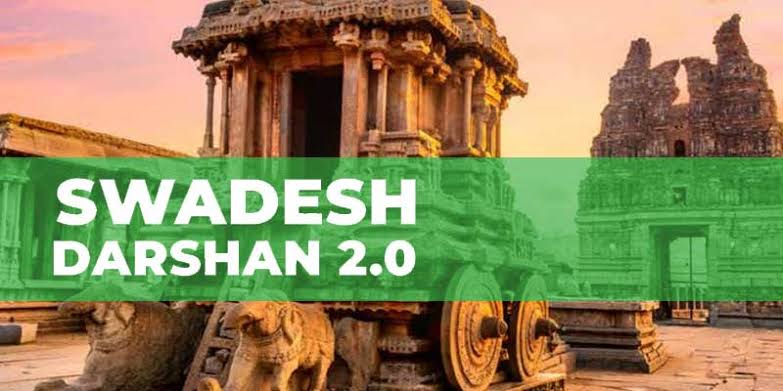
India’s tourism transformation is in full swing. With the launch of Swadesh Darshan 2.0, the Ministry of Tourism is focusing on more than just infrastructure. It’s creating immersive, sustainable, and experience-driven destinations that align with the travel trends of tomorrow.
What is Swadesh Darshan 2.0?
Originally launched in 2014-15, the Swadesh Darshan scheme aimed to develop thematic tourism circuits. Now, in its revamped form—Swadesh Darshan 2.0 (SD2.0)—the goal is to build sustainable tourism destinations with a more tourist-centric approach.
So far, 52 projects have been sanctioned under SD2.0. Additionally, the Ministry has greenlit 36 projects under the Challenge Based Destination Development (CBDD) initiative, a sub-scheme under SD2.0. Moreover, under the Special Assistance to States for Capital Investment (SASCI) scheme, 40 projects have received funding support.
Focus on Sustainability and Experience
Swadesh Darshan 2.0 stands on the pillars of environmental, social, and economic sustainability. The scheme promotes responsible tourism and aims to minimize negative impacts while maximizing cultural and ecological benefits.
From nature to culture, from adventure to spirituality, SD2.0 supports a variety of themes and experiences. These include:
- Beach tourism
- Cave exploration
- Adventure sports
- Meditation and wellness centers
- Border tourism
- Bird sanctuaries and biodiversity parks
- Tribal culture and historical forts
- Submarine tourism and eco-recreation zones


While no exclusive study has been conducted to identify these new trends, the Swadesh Darshan guidelines include an evolving list of components to keep pace with the changing expectations of travelers. These range from performing art infrastructures to better sanitation, parking, and site development.
This flexibility allows states to propose innovative projects. As a result, projects with a strong emphasis on immersive experiences are being funded and fast-tracked.
Enhanced Connectivity for Better Access
The Ministry of Tourism is not working in isolation. It coordinates with other government departments to ensure seamless last-mile connectivity.
Under the Regional Connectivity Scheme – UDAN, launched in 2016, the Ministry of Civil Aviation has been developing tourism-specific air routes. During UDAN’s third phase, 106 such routes were approved in collaboration with the Ministry of Tourism.
By the end of January 2025, 53 routes had become operational, offering direct flights to heritage and cultural sites. All these flights received full Viability Gap Funding (VGF) support from the Ministry of Tourism.
The government is now pushing forward with a modified UDAN Scheme aimed at connecting 120 new destinations and serving over 4 crore passengers in the next decade. This includes support for helipads and small airports in the Northeast and hilly regions.
Digital Boost: Incredible India Platform Revamped
In keeping with the digital age, the Ministry has upgraded its flagship portal—the Incredible India Digital Platform (IIDP).
This platform now includes an AI-powered travel assistant that helps visitors plan their journeys with real-time weather updates, city guides, and booking services.
The revamped portal allows direct bookings for flights, buses, hotels, and even entry tickets to ASI-protected monuments, thanks to partnerships with leading Online Travel Agents (OTAs).
Government’s Vision: A Tourist-First India
The Ministry’s strategic move to bring emerging tourism experiences into SD2.0 reflects its vision: building tourist-first, experience-rich, and sustainable destinations.
With projects that spotlight tribal culture, border villages, biodiversity, spiritual centers, and immersive nature trails, the future of Indian tourism looks inclusive and innovative.
By combining smart planning, modern infrastructure, and rich local culture, Swadesh Darshan 2.0 is not just about places—it’s about people, stories, and authentic experiences.
Conclusion: A New Era of Indian Tourism
Swadesh Darshan 2.0 is India’s answer to global tourism trends. It’s building destinations that are not just beautiful, but meaningful. With digital tools, better connectivity, and immersive experiences, India is positioning itself as a leader in sustainable tourism.
For travelers, this means more than a trip—it means a journey of discovery. And for local communities, it means opportunities, pride, and growth.
India’s tourism story is just getting started. And it’s more exciting than ever.