
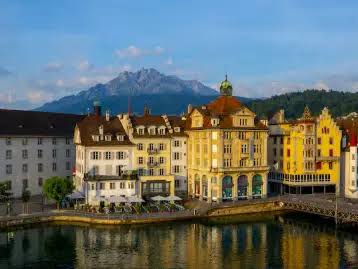
Collective Leadership and Rotating Presidency
The Swiss Federal Council consists of seven members, each heading one of the country’s main government departments. Decisions are made collectively, ensuring that no single member holds absolute power. The presidency rotates annually among members, serving largely as a symbolic “first among equals.”
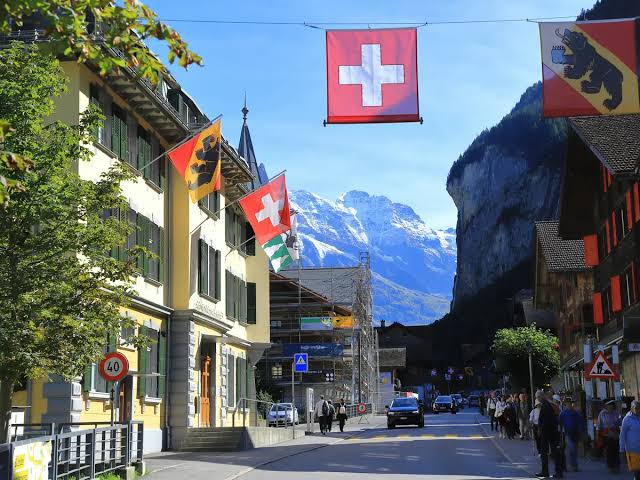

Switzerland empowers its citizens with a strong voice in governance. Through frequent referendums, the public can approve or reject policies on issues ranging from local taxation to foreign affairs. This direct democracy minimizes political showmanship and fosters a culture where consensus guides decision-making.
Stability Through Representation
The Federal Council always includes representatives from multiple political parties, ensuring diverse perspectives shape policy. This structure prevents political polarization and power struggles, which are common in many other democratic nations.
Prosperity and Global Respect
Despite lacking a single dominant leader, Switzerland consistently ranks among the world’s wealthiest and most peaceful countries. Its political neutrality has kept it out of international conflicts, while decentralized governance has encouraged economic innovation, social harmony, and high standards of living.
Lessons for Other Nations
The Swiss model offers a unique perspective on leadership: shared power can sometimes be more effective than centralized authority. While this system may not suit every country, it demonstrates that democracy can thrive when citizens and representatives collectively participate in governance.