

Chennai: Older Indians living with chronic health conditions such as cardiovascular disease, diabetes, and chronic kidney disease are at a heightened risk of severe shingles, according to a recent survey conducted by GSK. The study highlights the pressing need for vaccination and proactive healthcare discussions for adults over 50. Shingles…
Tag: #HeartHealth
Health

Late Bedtimes Raise Heart Disease Risk, Study Warns Night Owls
Staying up late may be doing more harm than most people realise. A major international study has found that adults who prefer late bedtimes commonly known as night owls face a significantly higher risk of heart disease, heart attacks and strokes as they age. The impact appears to be particularly…
Health
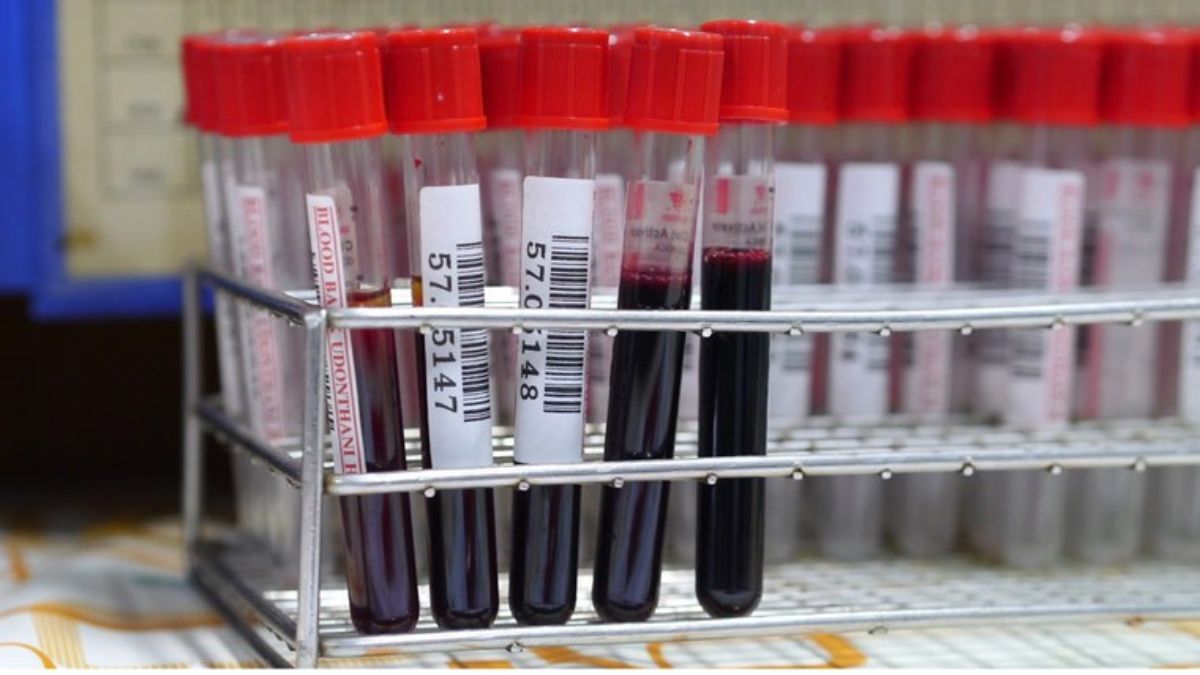
Stop Wasting Money on Full-Body Checkups: Tests That Matter
Preventive healthcare is not about doing more tests; it is about choosing the right tests at the right age. Across India, many people either delay basic health screening or spend heavily on so-called “full-body checkups” that offer little real benefit. Medical experts warn that unnecessary testing can increase anxiety, lead…
Health
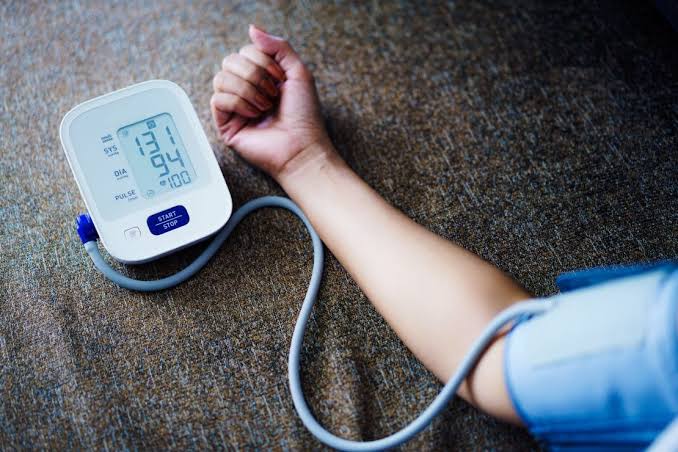
Weekly Exercise Key to Controlling Blood Pressure
A new study highlights that maintaining at least five hours of moderate exercise weekly from young adulthood significantly lowers the risk of developing hypertension in later life. Conducted across four US cities with more than 5,100 participants, the research emphasizes that consistent physical activity is essential for heart health and…
News

Heart Surgeon Ranks Harmful Daily Habits: Alcohol Tops List
Everyday habits, often dismissed as harmless or routine, can quietly accumulate and have a profound impact on long-term health. According to a senior cardiothoracic surgeon with more than 25 years of clinical experience, it is these repeated daily behaviours not occasional indulgences that most strongly influence the risk of chronic…
Health

5 Everyday Habits That Secretly Raise Heart Attack Risk
For years, foods like red meat and butter have been blamed for heart disease. However, new evidence shows that less obvious lifestyle habits may be silently increasing the risk of heart attacks and strokes. These habits undermine nitric oxide production, a crucial molecule that keeps blood vessels relaxed and healthy….
News

AHA Issues New BP Guidelines for Young Adults
The American Heart Association (AHA), in collaboration with the American College of Cardiology (ACC) and other medical bodies, has updated its high blood pressure (BP) guidelines for the first time since 2017. The new recommendations, released on September 8, 2025, emphasize early prevention and treatment, particularly for young adults in…