
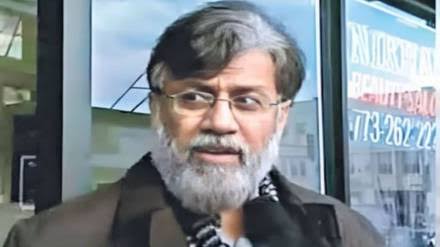
Tahawwur Hussain Rana, one of the accused in the 2008 Mumbai terror attacks, has finally been brought back to India after a long and determined legal battle. The first photos of his extradition, shared by the US Department of Justice, show him shackled and flanked by US Marshals as he is formally handed over to Indian authorities. Though his face is turned away from the camera, the image speaks volumes—marking a solemn yet significant moment in India’s quest for justice.

On his arrival in Delhi, Rana was arrested and presented before the NIA Special Court at Patiala House late Thursday night. The agency, citing compelling evidence such as emails and other communications, argued that his interrogation is crucial to exposing the network of collaborators behind the attacks. According to the NIA, Rana is a close associate of David Coleman Headley—another key conspirator in the case—and is believed to have worked with operatives from designated terrorist organisations including Lashkar-e-Taiba (LeT) and Harkat-ul-Jihadi Islami (HUJI), both of which are banned under Indian law.
Despite requesting 20 days of custody, the court granted 18 days and instructed that Rana undergo a full medical examination. Legal representatives stressed that all his medical needs would be addressed while in custody and before each court appearance.
For many in India, this extradition is more than a legal procedure—it is a small but meaningful step towards justice in a case that shook the nation’s conscience. The wounds of 26/11 still ache for those who lost loved ones, for the survivors, and for an entire country that watched the horror unfold. The hope is that this renewed investigation will bring further clarity, accountability, and a measure of closure.