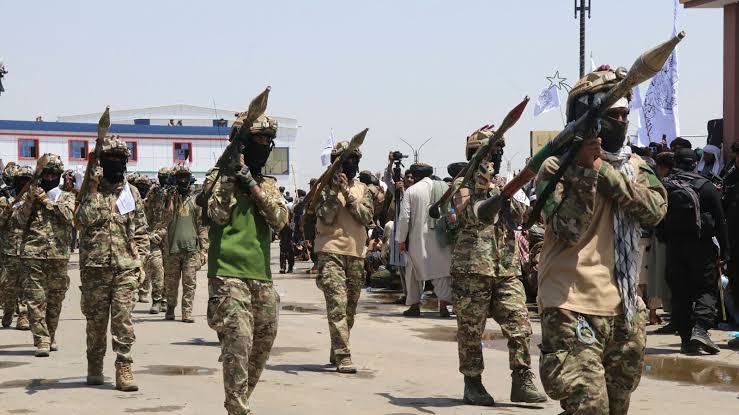
The Viral Symbolism: ‘93,000 Pants Ceremony 2.0’
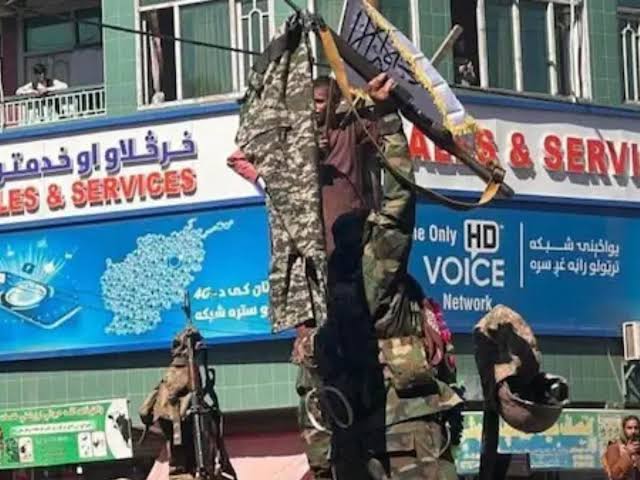
Social media users quickly labeled the incident the “93,000 Pants Ceremony 2.0,” drawing a symbolic parallel to December 16, 1971, when 93,000 Pakistani troops surrendered to Indian forces in Dhaka.
In the viral content, Taliban fighters wave trousers or uniforms in front of border onlookers. Some analysts argue the act is intended as both psychological warfare and a provocative assertion of dominance over a conventional military adversary.
 Border Clashes and Context
Clashes between Pakistan and Afghan Taliban forces intensified after Islamabad launched cross-border strikes targeting Tehreek-i-Taliban Pakistan (TTP) camps inside Afghanistan. Taliban forces counterattacked, claiming to have overrun border posts and inflicted heavy losses.
A reported truce was brokered with mediation from Qatar and Saudi Arabia after days of intense fighting and escalating rhetoric.
Social Media Roars & Reactions
Afghan social media has been relentless. Activists posted memes, historic 1971 surrender photos, and mock captions. One notable post read: “1971: Surrendered to Indians. 2025: Surrendered to Afghans. Team 93,000 never fails.”
Indian commentators too joined the banter. Retired military figures and analysts amplified the trend, drawing comparisons and stirring heated debate over symbolism and strategic messaging.
Pakistan’s Dilemma: Embarrassment and Messaging
For Pakistan, the spectacle has become a public relations setback. The symbolic act resurrects the national wound of 1971 and challenges Islamabad’s military prestige.
Though both sides continue to claim victory, the narrative war seems shifting in favor of Afghanistan — especially online. Analysts say Pakistan must now contend not just with battlefield losses, but the perception of capitulation.
Analysts Weigh In
Some analysts view this as psychological warfare: by displaying trousers, the Taliban sends a message of demoralization — as if the Pakistani forces have fled so hastily that they left behind clothing.
Others see a deeper symbolic dimension: by evoking the 1971 surrender, the Taliban is repositioning itself as the heir to a legacy of humiliation for Pakistan, repeatedly reshaping history in their favor.
Looking Ahead: Border, Narrative, Power
With the ceasefire holding — at least temporarily — focus has shifted to who can control the narrative. Videos like these may become tactical tools, shaping public perception as much as physical ground.
For Islamabad, the challenge is twofold: restore territorial control and reclaim credibility in the digital battlefield. Meanwhile, Kabul and Taliban propagandists will continue to push the symbolic and psychological edge as a force multiplier.