
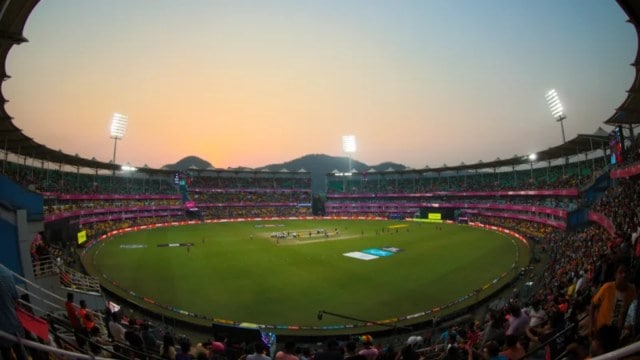


Guwahati experiences daylight much earlier than most Indian cities, with the sun setting before 4:45 PM during winter. To maximize playtime and ensure the full quota of 90 overs per day, officials have advanced the match start time to 9:00 AM.
The first session will run from 9:00 AM to 11:00 AM, followed by a 20-minute tea break. The second session continues from 11:20 AM to 1:20 PM, after which players will take a 40-minute lunch break. The final session is scheduled from 2:00 PM to 4:00 PM.
“The reason for this shift is simple we want to make full use of daylight,” said a senior BCCI official. “Guwahati witnesses early sunset, so adjusting the break structure allows us to maintain the integrity of a full day’s play without relying on artificial lights.”
How the Schedule Compares with Traditional Test Timings
Traditionally, Test matches in India begin at 9:30 AM with lunch around 11:30 AM and tea at approximately 2:10 PM. The Guwahati Test’s early start trims 30 minutes from the conventional start and finish, concluding at 4:00 PM instead of 4:30 PM.
Experts note that such flexibility in match scheduling is not unprecedented. Domestic tournaments like the Ranji Trophy have previously adjusted timings to suit local conditions, especially in eastern and north eastern venues. However, this is the first instance of such a shift being implemented in an international Test match.
Balancing Tradition with Practicality
Cricket purists might find the idea of tea before lunch unusual, but players and match officials have reportedly supported the decision. The aim is to ensure the game isn’t affected by diminishing light later in the day a common challenge in winter fixtures across India’s eastern states.
According to meteorological data, Guwahati’s daylight hours are nearly an hour ahead of Delhi’s during November. “This experiment may look odd, but it’s rooted in practicality,” said a senior groundsman at Barsapara Stadium. “Even a 30-minute delay in starting could risk losing overs.”
The match will still maintain the standard six hours of play per day, targeting the regulation 90 overs. Officials have the discretion to extend play by up to 30 minutes to make up for lost time, similar to traditional rules.
Historic Context and Global Comparison
Test match session timings vary worldwide based on geography and climate. In England, play typically begins at 11 AM due to longer summer days. In Australia and South Africa, Tests often start between 10 AM and 10:30 AM.
However, this marks the first time a tea-before-lunch format will be used at the international level. Cricket historians point out that while minor timing adjustments are common, changing the sequence of breaks represents a rare innovation driven by location-specific needs.
Fans and analysts will be watching closely to see if the experiment succeeds and whether it becomes a precedent for future Tests held in India’s eastern region.