Early Life and Education
Dr Sarvepalli Radhakrishnan was born on September 5, 1888, in Tiruttani, Tamil Nadu. Raised in a modest family, he was deeply influenced by spiritual traditions. Although his father wished him to become a priest, Radhakrishnan pursued higher studies in philosophy at Madras Christian College, completing his master’s degree in 1907. His academic brilliance earned him scholarships and recognition as one of the finest minds of his generation.
Life as a Teacher and Academic
Radhakrishnan began his teaching career in 1909 and soon established himself as a respected scholar. In 1929, he was invited to lecture at Oxford University’s Manchester College, placing him on the global stage. He later served as Vice-Chancellor of Banaras Hindu University, where he emphasized the need for a modern yet value-driven education system.
From Teacher to Statesman
After Independence, Radhakrishnan represented India at UNESCO in 1947, working to promote education, culture, and science worldwide. He became India’s first Vice-President in 1952 and was elected the second President in 1962. His tenure (1962–1967) was marked by his commitment to integrity, justice, and educational reform.
The Origin of Teachers’ Day
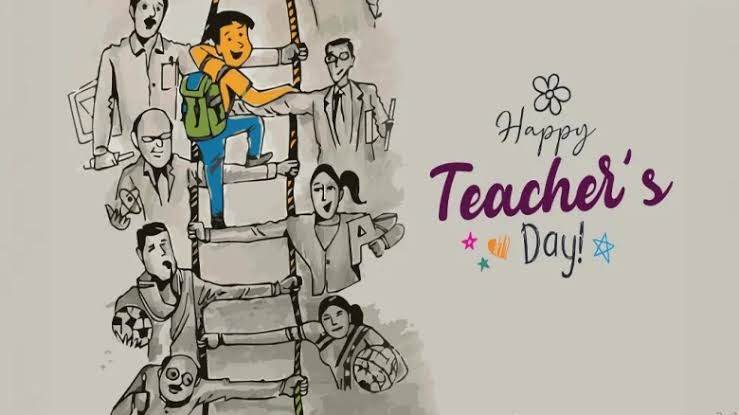
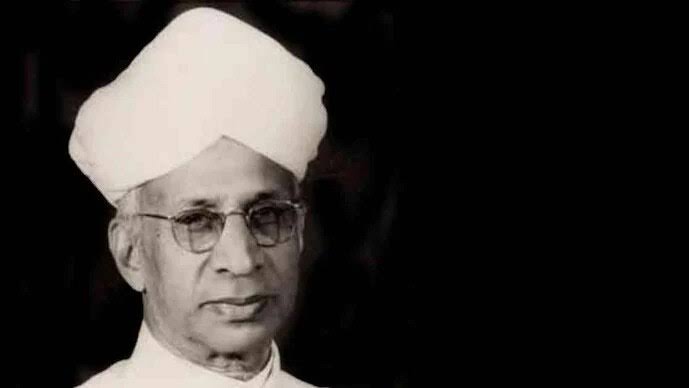
In 1962, when students sought permission to celebrate his birthday, Dr Radhakrishnan requested instead that September 5 be observed as Teachers’ Day. His humble appeal transformed the occasion into a national celebration dedicated to acknowledging the contributions of teachers across the country.
 Books and Philosophical Contributions
Radhakrishnan authored several influential works. His book The Philosophy of Rabindranath Tagore explored the poet’s vision of universal humanism. In Living with a Purpose, he reflected on the lives of freedom fighters, while Faith Renewed encouraged readers to introspect about life’s deeper questions. His writings bridged Indian philosophy with Western thought, strengthening India’s intellectual presence worldwide.
A Global Recognition
In 1954, Radhakrishnan was honoured with the Bharat Ratna, India’s highest civilian award. According to the Nobel archives, he was nominated 27 times for the Nobel Prize in Literature and Peace. His global stature grew as he promoted Indian culture in the West and fostered dialogue between civilizations.
Personal Life and Family
Dr Radhakrishnan married Sivakamu in 1903, and together they raised five children. His son, Sarvepalli Gopal, became a noted historian and policy advisor, continuing his father’s legacy of intellectual pursuit and public service.
Legacy of a Great Teacher
Dr Sarvepalli Radhakrishnan remains an enduring symbol of wisdom, humility, and dedication. His life’s journey—from a small town in Tamil Nadu to Rashtrapati Bhavan—continues to inspire generations. On Teachers’ Day 2025, his vision reminds us of the transformative power of education and the timeless role of teachers in nation-building.