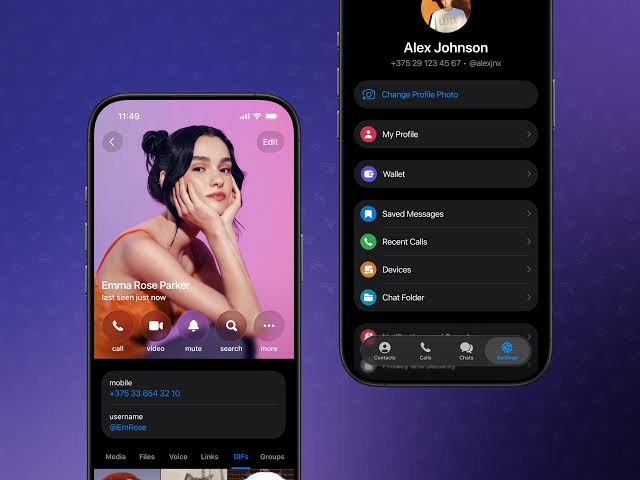
 Liquid Glass Design Comes to Android
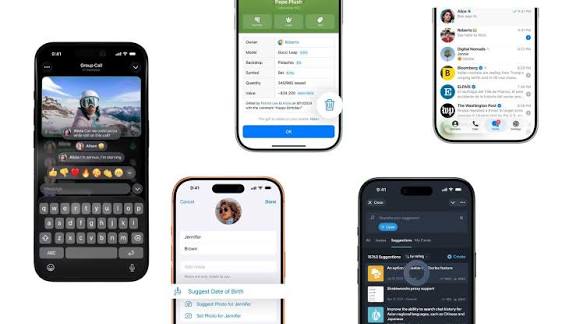
The Liquid Glass aesthetic, first introduced gradually in late 2025, is now fully embraced across Telegram’s Android interface. The design focuses on translucency, layered visuals, and smooth transitions that give the app a more modern and fluid appearance.
Transparent panels and frosted-glass effects are particularly noticeable in light mode, where backgrounds subtly shine through interface elements. While the look is not an exact replica of Apple’s design language, the inspiration is unmistakable.
New iOS-Style Bottom Navigation Bar
One of the most visible changes is the introduction of a four-tab bottom navigation bar, replacing the long-standing Android navigation style. The new tabs include Chats, Contacts, Settings, and Profile, offering faster access to key sections of the app.
Unlike earlier versions, the bottom bar remains visible even while scrolling, reinforcing a consistent navigation experience. This approach aligns closely with iOS conventions and represents a clear shift in Telegram’s Android design philosophy.
Hamburger Menu Removed
Telegram has also removed the classic hamburger side menu entirely. Features previously housed there, such as creating new groups or accessing archived chats, have been relocated to a three-dot overflow menu in the top-right corner of the Chats screen.
This change simplifies the interface but may require some adjustment for long-time Android users accustomed to the older layout.
Android Follows iOS Redesign Path
Telegram first introduced full Liquid Glass support on iOS in early January 2026. The Android update closely follows that release, signaling the company’s push toward a unified visual identity across platforms.
This shift reflects a broader trend in mobile app design, where platforms increasingly borrow successful UI elements from each other to create more consistent cross-device experiences.
User Reactions Mixed
Initial user reactions to the redesign have been mixed. While some users praise the cleaner, more modern look, others have criticized the app for moving away from traditional Android design norms.
Concerns raised include reduced usability for one-handed use and the perception that Android is becoming too visually similar to iOS. Telegram has not yet commented on whether further tweaks are planned based on feedback.
What This Means for Android Users
The update highlights Telegram’s willingness to experiment with bold design changes, even at the risk of polarizing its user base. With over hundreds of millions of global users, Android remains a critical platform for the messaging service.