
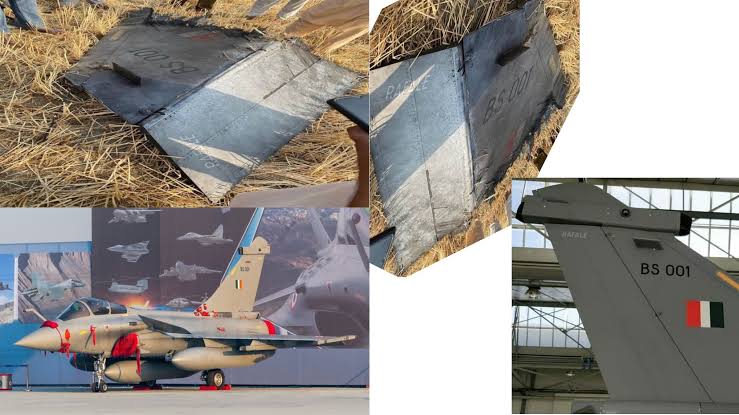
In a deeply unsettling development, tensions between India and Pakistan have escalated significantly, with reports emerging of military engagements involving advanced fighter aircraft near the Line of Control in Kashmir. Pakistan’s Foreign Minister Ishaq Dar informed the country’s parliament late Wednesday that Chinese-manufactured J-10C fighter jets were used in retaliation to Indian airstrikes earlier that morning. According to the statement, five Indian fighter jets, including French-made Rafale aircraft, were allegedly shot down.
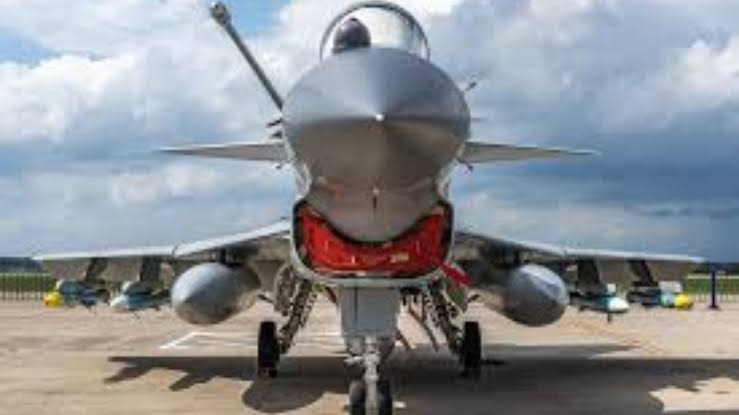

The Indian government has yet to issue an official response confirming any loss of its aircraft. The reported incident marks a grave moment in the already fragile relationship between the nuclear-armed neighbors, with the disputed region of Kashmir once again becoming the flashpoint.
This development adds to a long and painful history of conflict and mistrust between the two countries. Over the years, the Kashmir region has witnessed not only military confrontations but also attacks that have disrupted civilian life and tourism, impacting countless innocent lives on both sides of the border. The current situation has understandably sparked fear and anxiety among people living near the border areas and across the region.
What makes the latest events particularly concerning is the involvement of a third party — China — with Pakistan claiming that Beijing was kept fully informed of its military actions. This raises questions about broader regional dynamics and the potential for further escalation, not just between India and Pakistan, but across South Asia.
Amidst these high-stakes tensions, there is a pressing need for restraint, dialogue, and diplomatic engagement. The human cost of conflict — from lives lost to communities torn apart — is too heavy to ignore. While governments weigh military options and strategic postures, the people of the subcontinent continue to hope for peace, stability, and a future free from fear.