
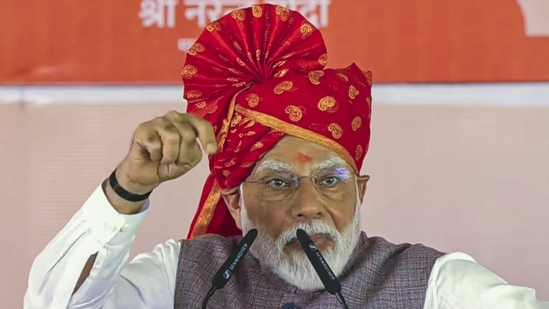
In the wake of escalating tensions between India and Pakistan, the Pakistani government has issued a sharp response to recent comments made by Prime Minister Narendra Modi regarding the Indus Waters Treaty. Speaking at a public event in Gujarat, PM Modi stated that Pakistan was beginning to “feel the heat” of India’s decision to suspend the decades-old water-sharing agreement. The comments have been met with deep concern in Islamabad, which called the remarks “regrettable” and a deviation from established international norms.
The backdrop to these developments is a grim one. Earlier this month, a deadly terror attack in Pahalgam, attributed to Pakistan-based militant groups, triggered strong military and diplomatic reactions from India. In retaliation, Indian armed forces launched a series of precision strikes that reportedly dismantled nine terrorist camps in Pakistan and Pakistan-occupied Kashmir. It was shortly after these events that India decided to put the Indus Waters Treaty in abeyance—a move that, while legal under exceptional circumstances, is rare and deeply symbolic.
At his rally in Gandhinagar, PM Modi did not mince words. Referring to the funeral rites held in Pakistan for militants killed in the strikes—complete with national flags and military honors—Modi declared that India could no longer view such acts as “proxy war.” Instead, he termed them a “planned war” supported by state machinery. His remarks marked a significant shift in India’s diplomatic posture and carried the weight of a country increasingly unwilling to tolerate cross-border terrorism.
Pakistan’s foreign office, however, responded with concern, stating that Modi’s reference to “weaponising water” is alarming and reflects a departure from international responsibilities and norms. It urged India to adhere to the principles of respect for sovereign rights and international agreements, warning that rhetoric born of nationalism may gain applause in the short term but could jeopardize long-term peace and stability in the region.
The Indus Waters Treaty, brokered in 1960 with the help of the World Bank, has long stood as a rare symbol of cooperation between the two often-hostile neighbors. While tensions have tested the agreement before, both countries have largely upheld its provisions, even during times of war. Modi’s remarks, therefore, signal not only a strategic recalibration but also a potentially seismic shift in regional water diplomacy.
As the political climate in both countries heats up, and with elections looming on the horizon, there is growing concern in diplomatic and academic circles alike. Many fear that rising rhetoric and hardline positions may erode what little remains of dialogue between the two nations. Beyond political borders, the suspension of the treaty affects millions of lives, particularly farmers and rural communities on both sides who rely heavily on the shared rivers for survival.
At the heart of this geopolitical storm lies a deeper human story—a story of fear, frustration, and the hope that diplomacy and dialogue might still prevail over conflict and confrontation.