
Kuala Lumpur: In a dramatic turn of events, Thai and Cambodian leaders are meeting today in Malaysia to defuse the worst border violence in over a decade. The high-stakes dialogue comes after former U.S. President Donald Trump intervened, threatening both nations with harsh trade tariffs if they refused to talk.
Border Clash Turns Deadly
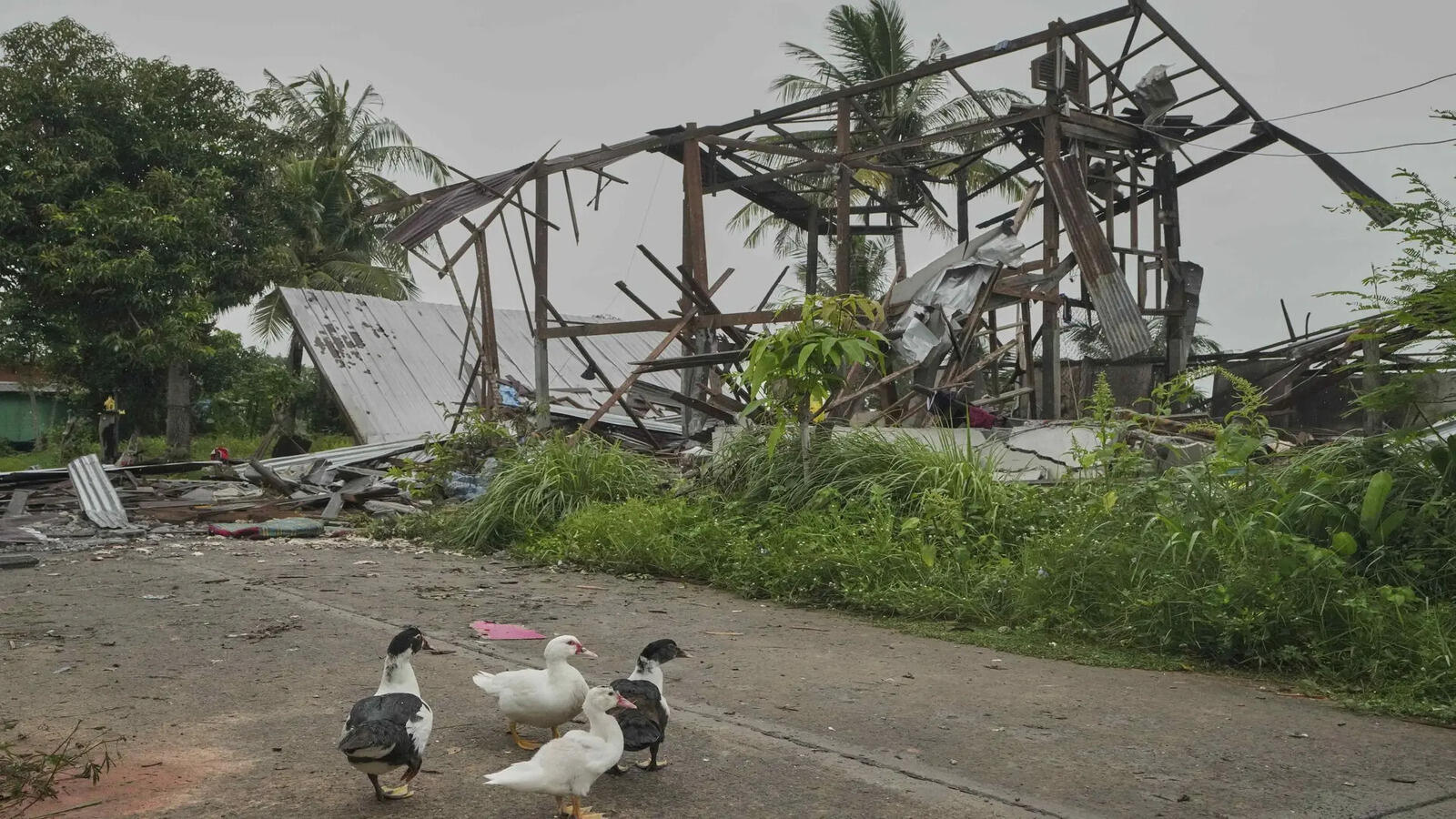
The conflict began on 24 July with skirmishes along the long-disputed Thai-Cambodian border. Within days, it escalated into full-scale fighting. At least 35 people have been killed. Over 150,000 civilians have fled their homes, seeking refuge across makeshift camps in northern Cambodia and eastern Thailand.
Among the dead are 13 Cambodian troops and 8 Thai soldiers. Civilian casualties include children and elderly caught in the crossfire, according to UNHCR and local reports.


On Saturday, Trump made personal phone calls to Thailand’s Acting PM Phumtham Wechayachai and Cambodian PM Hun Manet. He warned them bluntly:
“No trade deal until you settle the war. Too many people have died already.”
The statement was posted on his Truth Social account and quickly made global headlines. Trump then added:
“When peace is at hand, I look forward to concluding our trading agreements with both.”
The message was clear: Make peace or lose access to the massive U.S. market.
Talks Begin in Kuala Lumpur
Thanks to mediation by Malaysian PM Anwar Ibrahim, emergency talks are underway today at 3 PM local time in Kuala Lumpur. As ASEAN Chair, Malaysia has taken the lead in facilitating the dialogue.
U.S. Secretary of State Marco Rubio confirmed that American diplomats are on the ground to assist peace talks. “We want this conflict to end as soon as possible,” he said in a statement shared with Reuters.
Thailand’s Firm Stance
While Cambodia is calling for an immediate ceasefire, Thailand insists on a package deal. According to Thai officials, any agreement must include:
- Troop withdrawal from disputed zones
- An end to the use of heavy weapons
- A roadmap for permanent resolution
Thailand is also under pressure to resolve the issue quickly. Trump’s proposed 36% tariff on Thai exports is looming, with an August 1 deadline. The Thai economy, heavily reliant on trade, cannot afford such a hit. Talks with the U.S. to reduce their $46 billion trade surplus now hang in the balance.
Why This Conflict Matters
The latest clash erupted near the Preah Vihear Temple, a centuries-old site at the heart of past disputes. The last major incident was in 2011, which also resulted in dozens of deaths. Tensions had simmered for months before flaring into armed violence last week.
International observers fear further escalation could destabilize Southeast Asia. The ASEAN bloc has long promoted peaceful resolution of disputes, and today’s meeting is seen as a critical test of that principle.
What Happens Next?
If today’s meeting fails, the region could spiral into wider conflict. Already, Thailand has declared martial law in eight provinces. Military convoys and drones have been deployed near the frontlines. Cambodia, for its part, is fortifying its border and evacuating civilians at scale.
UN Secretary-General António Guterres has urged both nations to “show maximum restraint” and offered UN support for mediation.
Meanwhile, regional powers like Vietnam, Indonesia, and the Philippines have remained neutral, urging “calm and diplomacy.”
Trump’s Strategy: Tariffs for Peace
Trump’s latest move mirrors his earlier strategy used with India and Pakistan in 2020. Back then, he leveraged trade talks to de-escalate cross-border tensions. While critics call it transactional diplomacy, supporters say it works.
“Trump’s approach may seem brash,” said political analyst Farida Chonlasit from Chulalongkorn University, “but in this region, strong economic incentives often achieve what diplomacy alone can’t.”
The Human Cost
Behind the geopolitics lies immense human suffering. Families are torn apart. Border villages lie abandoned. Fields have burned under artillery shelling.
In Oddar Meanchey province, where many Cambodian civilians have fled, makeshift camps now shelter thousands. Armed police guard incoming aid trucks. The situation remains tense and fragile.
Relief agencies like the Red Cross and Doctors Without Borders have called for urgent humanitarian corridors and medical supplies.
Conclusion
Today’s meeting in Kuala Lumpur is not just about border lines or temples. It’s about lives, stability, and the credibility of diplomacy in a volatile region. If the leaders of Thailand and Cambodia seize this moment, peace is within reach. If not, the region may face more bloodshed—and isolation from key global partners.