
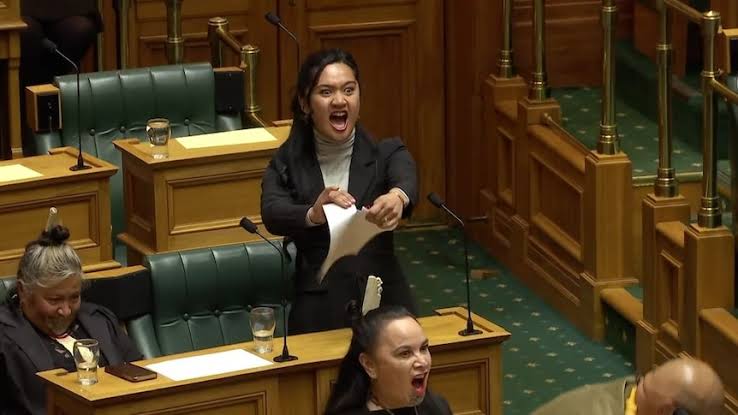
In an emotionally charged moment that captured global attention, three Māori Party MPs in New Zealand have been handed what is believed to be the harshest punishment ever issued to parliamentarians in the country’s history. Their offence: performing a traditional haka inside the parliamentary chamber during a heated debate over the controversial Treaty Principles Bill.
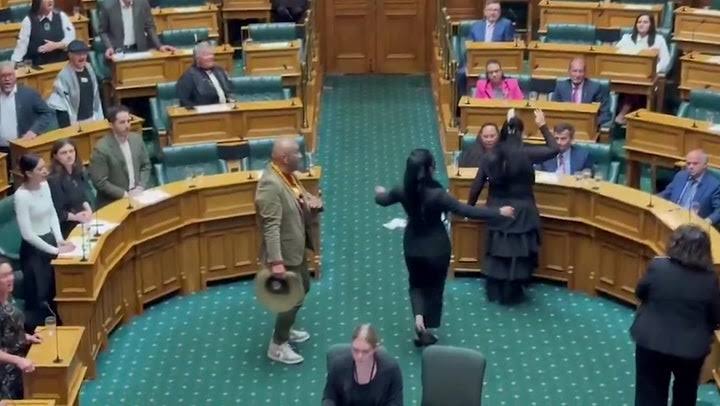

Te Pāti Māori co-leaders Debbie Ngarewa-Packer and Rawiri Waititi, along with the party’s youngest MP, Hana-Rawhiti Maipi-Clarke, broke into the haka during the bill’s first reading last November. As part of the protest, Maipi-Clarke tore up a copy of the bill, an act that resonated powerfully with many but drew the ire of Parliament’s privileges committee.
The bill in question sought to reinterpret the Treaty of Waitangi, a foundational document signed in 1840 between Māori iwi (tribes) and the British Crown. Critics warned the bill could undermine decades of progress in recognising Māori rights. Its introduction sparked nationwide outrage, leading to the largest protest in New Zealand history in support of Māori sovereignty. The bill was ultimately defeated in April during its second reading.
Despite its failure, the aftershocks of the protest continue to ripple. A report released Wednesday concluded that the MPs’ actions constituted contempt of Parliament and recommended unprecedented penalties: three weeks’ suspension for Ngarewa-Packer and Waititi, and a one-week suspension for Maipi-Clarke. None of them will be paid during the suspension period, and they will miss the crucial annual budget debate.
The committee argued that their haka could have been seen as an act of intimidation and disrupted other MPs’ ability to vote. Past performances of haka in Parliament, including by Waititi himself, were noted — but this particular incident, due to its timing and intensity, was labelled “a serious matter.”
Judith Collins, attorney-general and chair of the committee, described it as the “worst incident” she had seen in over two decades in the debating chamber. She claimed the penalties reflect the gravity of the situation and are meant to signal that such disruptions will not be tolerated.
Te Pāti Māori strongly condemned the decision, calling it “the worst punishment handed down ever” and suggesting it was a deliberate attempt to silence Indigenous resistance. “When tangata whenua resist, colonial powers reach for maximum penalty,” the party said in a statement, viewing the suspension as a warning to Māori communities and their supporters.
Opposition reactions were mixed. The Labour Party agreed the MPs breached parliamentary rules but argued the penalty was too severe and recommended a more modest suspension. The Green Party outright opposed the decision, calling it disproportionate and raising concerns about the representation gap the suspension would create for Te Pāti Māori constituents.
Ngarewa-Packer defended the action, stating, “In a space debating our rights and interests as tangata whenua, haka was the only way to respond for the hundreds of thousands of our people being harmed.”
As Parliament prepares to formally vote on the suspensions, many New Zealanders are reflecting on what this moment means for free expression, Indigenous rights, and the limits of protest within democratic institutions. While the haka has long been a symbol of cultural pride and resistance, its place in political protest is now at the heart of a national conversation — one that will likely shape the future of Māori activism and parliamentary decorum for years to come.