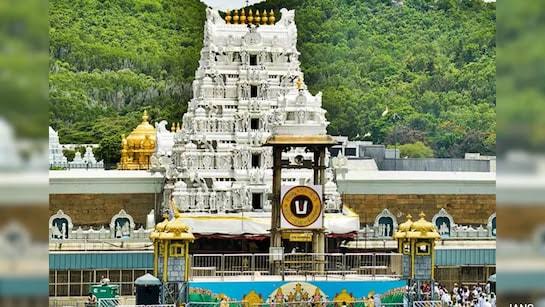
Allegations Spark Action at India’s Holiest Temple
The Tirumala Tirupati Devasthanams (TTD), which manages the world-famous Sri Venkateswara Temple in Tirupati, has taken disciplinary action against four employees. The temple board has suspended them following allegations of practising non-Hindu faiths—an act seen as a violation of the temple’s code of conduct.
The suspension has stirred public debate, with many questioning the implications of religious affiliation in public service roles, especially in institutions with religious ties.
Who Were Suspended and Why?
According to an official press release on July 20, 2025, the suspended employees are:
- B Elizar – Deputy Executive Engineer (Quality Control)
- S Rosi – Staff Nurse at BIRRD Hospital
- M Premavati – Grade-1 Pharmacist at BIRRD Hospital
- G Asuntha – Staff member at SV Ayurveda Pharmacy
The TTD stated that the individuals were found to be practising non-Hindu religions, which contravenes its employment rules for roles within Hindu religious institutions. These actions allegedly breached the temple’s long-standing code of conduct for staff.
 TTD’s Official Response
Based on this report, the TTD moved swiftly to initiate departmental action. The statement clarified that the decision complies with institutional rules, particularly for those directly involved in the religious and healthcare arms of the temple’s operations.
Code of Conduct and Faith Alignment
TTD has a strict policy requiring that staff—especially those in sensitive or religiously symbolic positions—adhere to the tenets of the Hindu faith. Employees are expected to uphold the institution’s spiritual ethos, especially while serving pilgrims and visitors from around the world.
According to TTD’s official website, these rules aim to preserve the sanctity of the sacred shrine. The temple receives millions of Hindu devotees annually, making religious integrity a key priority in staffing decisions.
Broader Implications of the Action
This move has reignited debates about the balance between religious freedom and institutional discipline. While some support TTD’s right to maintain religious integrity, others argue it raises concerns about discrimination and freedom of belief.
Constitutionally, Article 25 of India’s Constitution grants freedom of religion. However, institutions like TTD fall under religious trusts with specific mandates, which can create grey areas in terms of employment eligibility and faith-based expectations.
Public and Political Reactions
Public opinion remains split. Some religious leaders have welcomed the decision, calling it necessary to protect the temple’s values. Civil rights activists, however, urge greater clarity on employee rights in religious organisations funded or aided by the state.
“This is not about belief but about the scope of job roles. If their duties are secular, such suspension raises constitutional questions,” said legal analyst Ramesh Kadam, speaking to a local Telugu news outlet.
What Happens Next?
The suspended employees may appeal the decision or seek legal recourse if they feel their rights were violated. TTD, on the other hand, has maintained that it acted within the framework of its established norms and internal rules.
TTD’s disciplinary actions are expected to be scrutinised further in the coming weeks, both legally and publicly.
Conclusion
The incident brings to the fore a pressing question: How far can religious institutions go in enforcing faith-based guidelines on employees? As Tirupati continues to attract global devotees, the issue of inclusivity vs. institutional integrity will remain under the spotlight.