
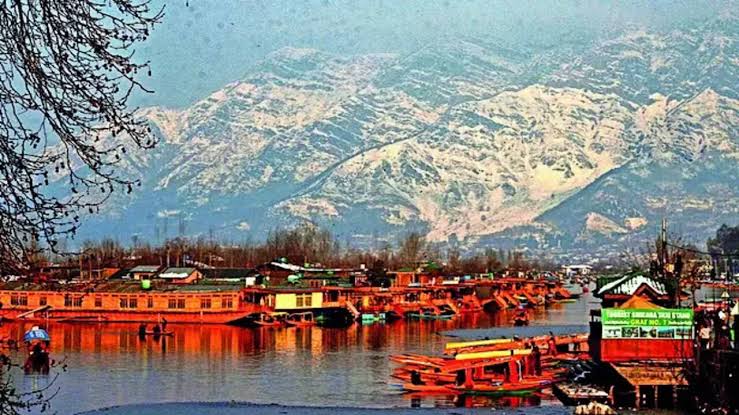
Despite the tragic terror attack in Pahalgam, Jammu and Kashmir is witnessing a strong rebound in tourism, driven by government efforts and public confidence.
The Ministry of Tourism, in collaboration with the Jammu & Kashmir Tourism Department, continues to promote the region as a safe, scenic, and culturally rich destination.


According to the latest data from the Jammu and Kashmir Tourism Department, the region welcomed over 2.35 crore domestic tourists and 65,452 foreign visitors in 2024. The numbers reflect a strong growth trend since 2020, when tourism took a hit due to the pandemic.
Here’s a quick look at the tourism numbers:
| Year | Domestic Tourists (DTVs) | Foreign Tourists (FTVs) |
|---|---|---|
| 2020 | 25,19,524 | 5,317 |
| 2021 | 1,13,14,920 | 1,650 |
| 2022 | 1,84,99,332 | 19,985 |
| 2023 | 2,06,79,336 | 55,337 |
| 2024 | 2,35,24,629 | 65,452 |
| 2025 (Jan–June) | 95,92,664 | 19,570 |
These figures show that tourism in Jammu & Kashmir is not just surviving—it’s thriving again.
Government’s Push to Promote J&K Tourism
The Ministry of Tourism has rolled out multiple schemes and campaigns to uplift the tourism sector in Jammu and Kashmir, particularly after security concerns shook traveler confidence.
Key Government Initiatives:
- Swadesh Darshan Scheme: Supports infrastructure development in tourist hotspots.
- PRASHAD Scheme: Focuses on pilgrimage and spiritual tourism rejuvenation.
- Dekho Apna Desh Campaign: Encourages Indians to explore their own country, especially lesser-known gems like Kashmir’s valleys and lakes.
- Bharat Parv & Chalo India: Promote India’s tourism at national and global levels.
- Incredible India Content Hub: Offers curated digital material to showcase destinations like Gulmarg, Pahalgam, and Sonmarg.
Through these efforts, the government aims to build a resilient and high-quality tourism experience.
Focus on Safety and Capacity Building
After the Pahalgam incident, security arrangements have been tightened across all tourist zones. Joint patrols, 24×7 surveillance, and checkpoint monitoring have been intensified.
Beyond physical safety, the Ministry also invests in capacity building through programs such as:
- Incredible India Tourist Facilitator (IITF): Trains locals to offer guided tours and cultural insights.
- Paryatan Mitra and Paryatan Didi: Empower youth and women with hospitality training, ensuring both safety and employment.
These initiatives create a skilled workforce while enhancing tourist confidence.
Niche Tourism Is Gaining Ground
The Ministry is promoting thematic tourism to attract different kinds of travelers. In Jammu & Kashmir, eco-tourism, wellness retreats, culinary experiences, and rural escapes are gaining popularity.
Destinations like Gurez Valley and Doodhpathri now appeal to those seeking solitude, while the Amarnath and Vaishno Devi pilgrimages draw spiritual visitors. This diversification helps buffer the region against external shocks like natural disasters or conflict.
Challenges Still Remain
Despite these positive trends, the Ministry of Tourism has not yet conducted an economic impact study to assess losses to tourism-dependent stakeholders in J&K.
Tour operators, hotel owners, shikara operators, and handicraft sellers often face economic instability after incidents like the Pahalgam attack. Formal assessment and compensation mechanisms could improve resilience and provide timely relief.
Looking Ahead: A Resilient Tourism Vision
Jammu and Kashmir continues to hold a special place in India’s tourism landscape. Its snow-covered peaks, Mughal gardens, Buddhist monasteries, and warm hospitality create a unique appeal for travelers worldwide.
With continued support from the government and improving ground conditions, tourism in Jammu and Kashmir is poised for even greater growth in the coming years.
More than numbers, the true sign of recovery lies in the stories—of visitors returning with joy, of locals finding jobs again, and of a region slowly reclaiming its peace and prosperity.