 Need for a Dedicated Regulatory Framework
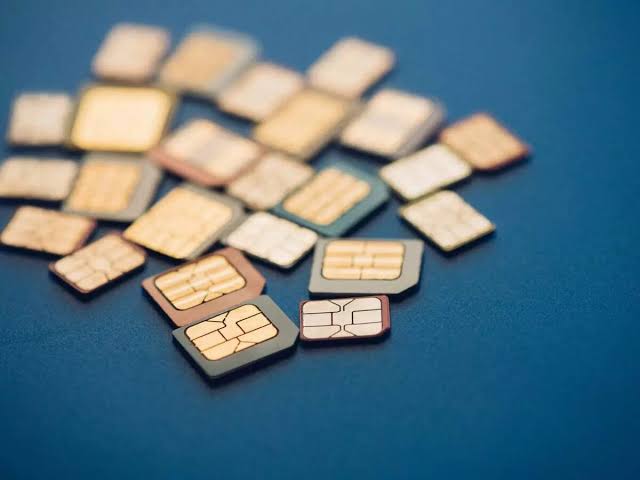
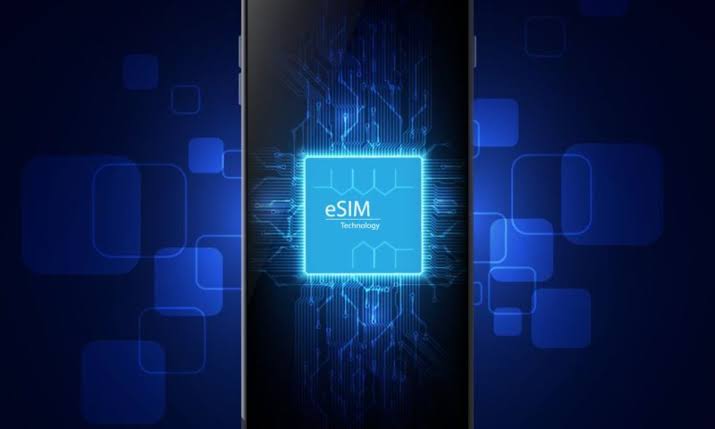
M2M and IoT technologies are rapidly transforming critical sectors such as smart energy grids, transportation, water management, agriculture, manufacturing, and logistics. Indian manufacturers producing smart meters, connected vehicles, industrial sensors, and similar devices often need to embed foreign telecom SIM or eSIM cards so that the devices function seamlessly in the destination countries.
TRAI observed that India currently lacks a formal regulatory framework governing the sale of such foreign telecom SIMs for export-oriented IoT devices. This regulatory gap, if left unaddressed, could hinder exports, raise compliance concerns, and limit India’s competitiveness in the global IoT market.
Consultation Process and Stakeholder Inputs
To address this issue, TRAI released a detailed consultation paper in July 2025 and invited comments from stakeholders across the telecom, manufacturing, and technology sectors. Nine stakeholders submitted responses, and an open house discussion was conducted online in September 2025.
Based on stakeholder feedback and its own analysis, TRAI finalized a set of recommendations that seek to balance regulatory oversight with flexibility, innovation, and export facilitation.
Key Recommendations by TRAI
At the core of the proposal is the introduction of a new, light-touch service authorisation under the Telecommunications Act, 2023. This authorisation, to be known as the “International M2M SIM Service Authorisation,” is designed to regulate the sale of foreign SIM and eSIM cards used solely in export-bound M2M and IoT devices.
TRAI has recommended that this authorisation be granted through a fully online process with digitally signed, auto-generated approvals. Any company registered under the Indian Companies Act would be eligible to apply.
Significantly, the regulator has proposed zero entry fees, zero minimum net worth requirements, no bank guarantees, and no recurring authorisation fees. Only a nominal application processing fee of Rs. 5,000 would be charged, and the authorisation would remain valid for 10 years.
Testing, Security and Cross-Ministry Coordination
Recognising the practical needs of manufacturers, TRAI has recommended that foreign SIM and eSIM cards be allowed to remain active in India for testing purposes for a period of up to six months. This provision is expected to help manufacturers ensure product quality and functionality before exporting devices.
To unlock the full potential of the M2M and IoT export ecosystem, TRAI has also advised the DoT to coordinate with other ministries, including the Ministry of Finance and the Ministry of Commerce. A harmonised framework would facilitate both the import of foreign SIMs for export use and the export of Indian SIMs for devices intended for overseas markets.
Boost to Make in India and Global Competitiveness
TRAI emphasised that the proposed framework aligns closely with the Government of India’s “Make in India” and “Ease of Doing Business” initiatives. By providing regulatory certainty and lowering entry barriers, the recommendations are expected to encourage domestic manufacturing of globally competitive IoT products.
The framework would also help Indian enterprises compete more effectively with established international players, positioning India as a reliable hub for IoT and M2M device manufacturing.