Trump Leaves G7 Early, Warns Iran as Israel-Iran War Escalates
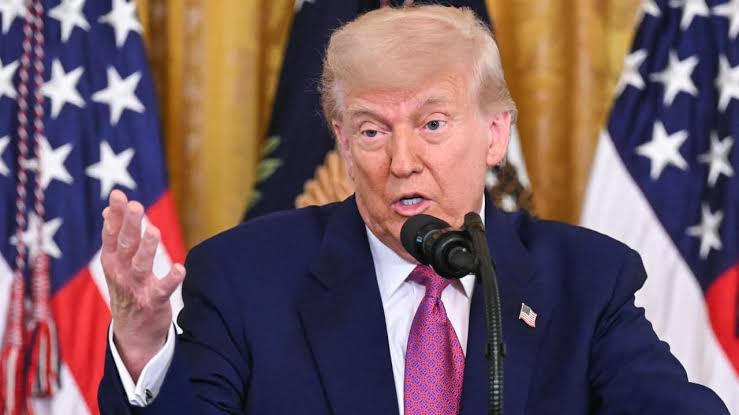
Amid heightened tensions in West Asia, former US President Donald Trump made headlines by leaving the G7 Summit in Canada prematurely on June 17, 2025, issuing a stark warning to the Iranian regime. “People in Tehran should evacuate immediately,” Trump reportedly said, escalating fears of deeper US involvement in the ongoing Israel-Iran conflict.
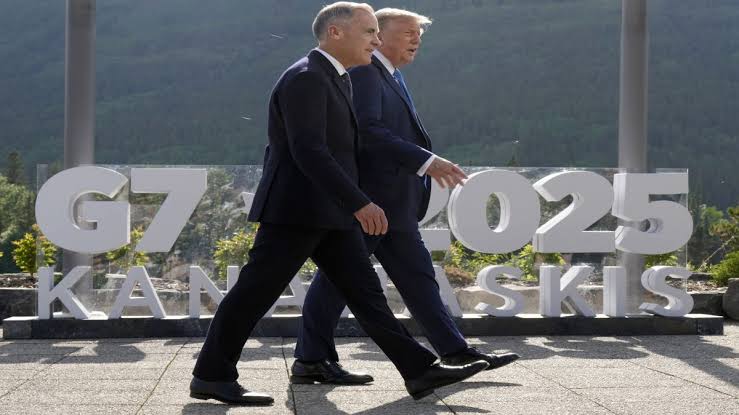 This sudden move has sparked international debate and concern about a potential wider war in the region, with analysts and diplomats urgently calling for dialogue and de-escalation.
What Triggered the Exit?
The G7 summit, hosted in Quebec, Canada, was expected to focus on economic cooperation and climate change. However, the ongoing Israel-Iran hostilities overshadowed the agenda. The conflict had intensified following Israeli strikes on what it claimed were missile bases and intelligence centers in Tehran.
According to Al Jazeera’s senior correspondent Phil Lavelle, Trump’s unexpected departure came shortly after air raid sirens blared across Tel Aviv, and explosions rocked the Iranian capital.
Trump’s comments to the press—“Evacuate immediately”—added to the alarm, with no official explanation offered by the US State Department as of now.
Rising Fears of US Military Involvement
While the Biden administration had distanced itself from direct engagement in West Asia in recent months, Trump’s warning has fueled speculation about covert US support for Israeli operations. Intelligence insiders have hinted that American satellites and drone data may have assisted the Israeli targeting of Iranian assets.
The situation grew tenser when Iranian media showed civilians fleeing parts of Tehran under heavy bombardment. Meanwhile, G7 leaders, including France and Germany, have issued urgent calls for restraint and diplomacy.
Israel-Iran Conflict Reaches New Heights
This latest exchange follows a deadly Israeli airstrike on June 16, targeting Iranian state TV broadcaster Sahar TV during a live broadcast. The footage went viral, showing news anchor Sahar Emami cut off mid-sentence as the studio was hit.
So far, over 180 civilians have reportedly died in Tehran and Tel Aviv combined since hostilities flared on June 14. In retaliation, Iran launched long-range missile attacks on Haifa and Jerusalem, although Israeli defense systems reportedly intercepted most of them.
Global Leaders React
Canadian PM Justin Trudeau, who is hosting the summit, urged calm:
“We must prevent this from becoming a wider conflict. Diplomacy must prevail.”
Meanwhile, the UN Secretary-General has called an emergency Security Council meeting to assess the situation. China and Russia have also expressed concern about “dangerous unilateral actions” potentially violating international law.
Call for Talks and De-escalation
Interestingly, Donald Trump also called for immediate talks between Israel and Iran, even as his earlier remarks stoked escalation fears.
“This should not become another Iraq. We need to de-escalate before it’s too late,” he told media.
While no backchannel negotiations have been confirmed, sources close to the European Union suggest that Oman and Switzerland may be mediating informal talks.
What Lies Ahead?
With oil prices spiking and stock markets trembling, the implications of a broader war are being felt globally. Defense analysts warn that even a limited regional war could disrupt global trade and trigger new refugee crises.
Unless quick and credible steps are taken by both sides—along with international pressure—the possibility of a full-blown conflict cannot be ruled out.