
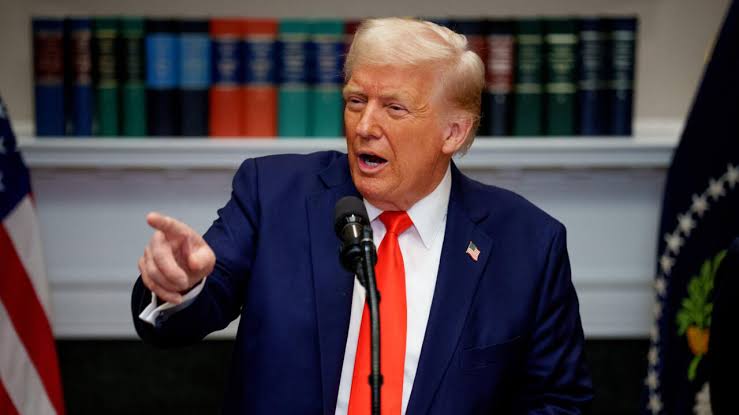


Speaking to reporters on Tuesday, Trump said, “I think so,” when asked if the 25% tariff rate for India was likely. He added that the decision wasn’t yet final, but discussions were ongoing as both sides race toward an August 1 deadline.
The uncertainty comes amid a broader strategy of economic nationalism that Trump continues to pursue. He has already imposed tariffs on goods from Mexico, Canada, and China during his presidency, and India now appears next in line.
India Reacts: Warning of Trade Disruption
India has responded cautiously but firmly. According to Bloomberg, Indian trade officials have warned that increased tariffs may disrupt supply chains and further slow down economic recovery, especially amid global economic uncertainties.
India’s Ministry of Commerce is also reportedly exploring alternative markets and trade routes should talks collapse. Indian exporters, particularly in sectors like textiles, auto parts, and pharmaceuticals, may face price hikes that reduce their competitiveness in the U.S. market.
Negotiations Still Underway
According to U.S. Trade Representative (USTR) officials, both sides are actively negotiating a deal. A spokesperson told Bloomberg, “More discussions are needed to finalize an agreement.”
This isn’t the first time the U.S. has threatened tariffs against India. Under Trump’s earlier administration, the U.S. revoked India’s benefits under the Generalized System of Preferences (GSP) in 2019, affecting $5.6 billion worth of exports. Talks since then have seen ups and downs, often pausing over issues like digital taxes and agriculture subsidies.
Potential Economic Fallout
If implemented, the new India-U.S. tariffs could spark a tit-for-tat response. India might increase tariffs on American agricultural goods, spirits, or Harley-Davidson motorcycles. Economists warn that such moves could further slow global trade and GDP growth.
A report by the International Monetary Fund (IMF) stated that tariffs enacted since 2018 have contributed to a 0.3% slowdown in global economic output. Any new barriers between two of the world’s largest democracies could worsen the outlook.
Business Impact: Importers and Exporters on Edge
Importers in the U.S. who rely on affordable goods from India may face higher costs. Products like organic cotton garments, car components, and generic medicines could become more expensive for American consumers.
In India, companies that export to the U.S. are watching closely. Shipping hubs like Nhava Sheva Port in Navi Mumbai are reporting delays and increased insurance costs as the trade uncertainty unfolds.
Global Backdrop: Trade and Geopolitics
The tariff threats also come amid rising geopolitical tensions in Asia and growing pressure on China’s trade influence. India has been positioning itself as a manufacturing alternative to China, aligning with the U.S. on defense and tech. However, high tariffs could sour this strategic alignment.
Meanwhile, the European Union and the U.S. are also navigating trade frictions, with Trump proposing car tariffs that have alarmed Canada and Germany.
What’s Next for India–US Trade?
Both governments still have room to negotiate. Trump’s team has hinted at “rebate checks” from tariff revenues for Americans—similar to his prior proposals—though experts say this won’t offset consumer costs in the long run.
For now, all eyes are on the August 1 deadline. Whether the tariff materializes or gets a last-minute rollback will set the tone for U.S.-India economic ties in the coming years.
Conclusion: A Test of Trade Diplomacy
The proposed 20–25% tariffs on India are more than just numbers. They reflect the challenges of modern trade diplomacy, where national interests, economic strategy, and political optics all collide.
For India, the decision is crucial. For the U.S., it’s a test of its post-pandemic trade vision. And for the world, it’s a reminder that even strong bilateral ties can strain under economic pressure.