
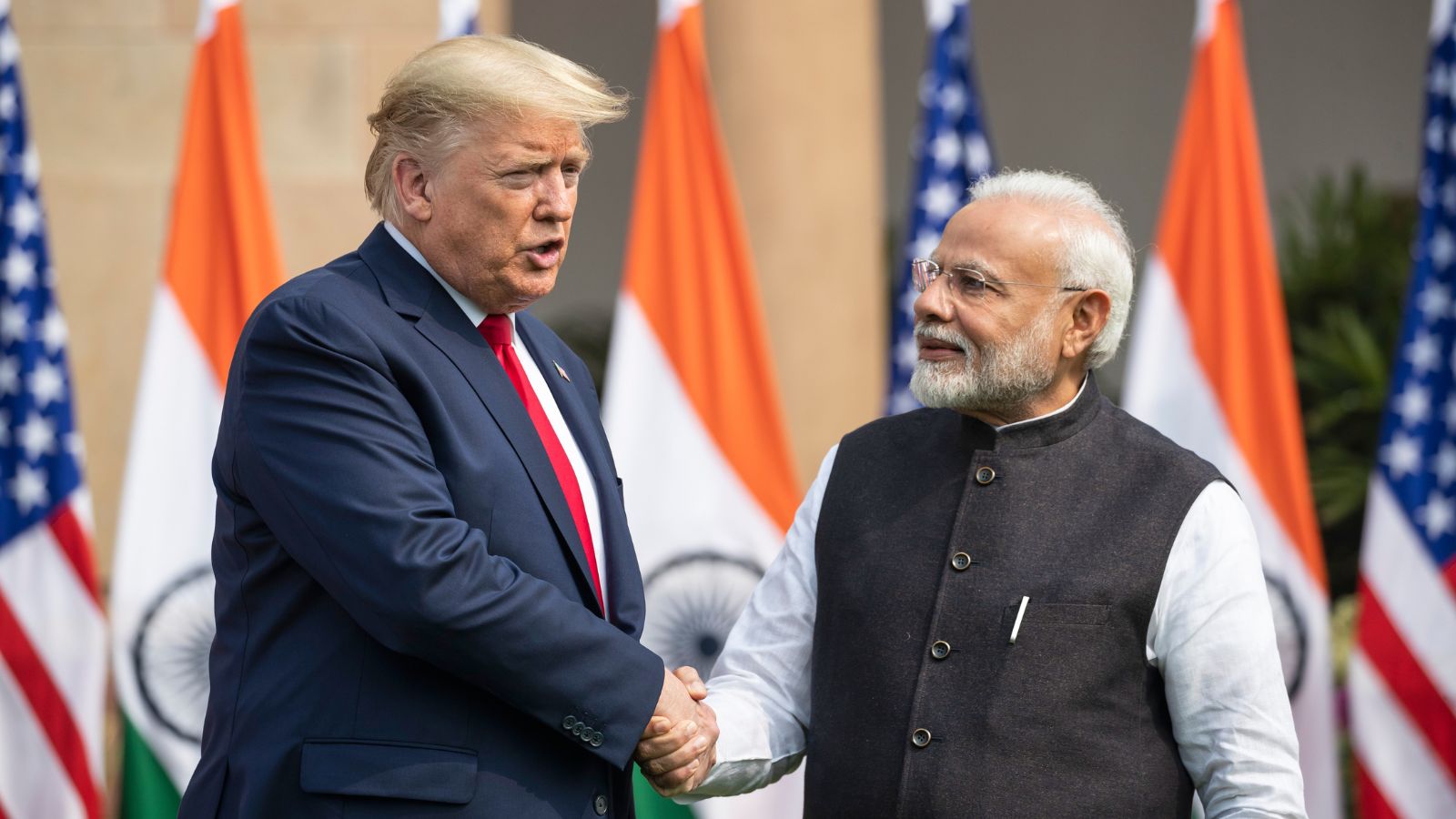
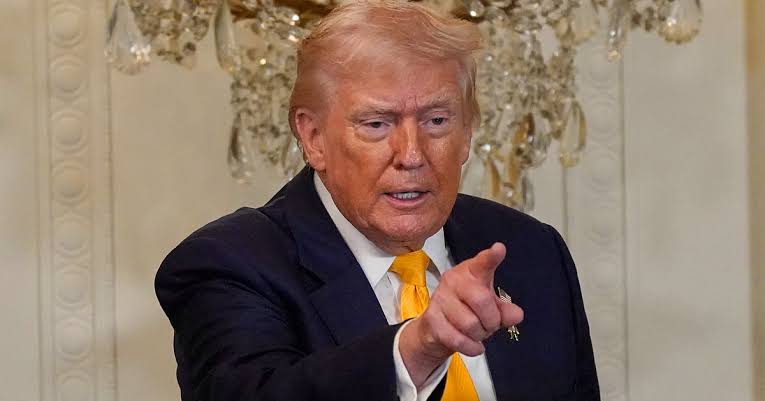

Under the current interim agreement, the US reduced tariffs on Indian goods from 50% to 18%, while India agreed to maintain zero tariffs on US imports. Trump emphasized that the Supreme Court’s ruling does not alter the existing bilateral trade arrangement. “Nothing changes; they will be paying tariffs,” he said, reaffirming the continuity of the trade deal.
The deal, often referred to as the India-US Trade Framework Agreement 2026, aims to stabilize bilateral trade relations and facilitate investment between the two countries.
Political and Economic Implications
Legal experts note that the Supreme Court struck down Trump’s sweeping reciprocal tariff regime, which would have imposed broad tariffs on multiple countries. Despite this, the specific agreement with India continues to be enforceable under existing executive orders.
Indian economists highlight that the 18% tariff on US goods may impact import costs in sectors like agriculture, chemicals, and high-tech equipment, while maintaining zero tariffs on US exports preserves India’s domestic competitiveness.
Reactions from India
India’s Ministry of Commerce and Industry acknowledged the Supreme Court verdict but noted that the interim trade arrangement with the US remains unchanged. Officials emphasized that ongoing discussions with the US will continue to ensure a balanced trade relationship.
Former Finance Minister P Chidambaram commented that while the ruling limits the US President’s tariff powers globally, it does not invalidate country-specific agreements. Businesses in India’s import and export sectors are watching closely for potential ripple effects.
Future Trade Outlook
Market analysts believe that both nations will continue negotiations on long-term trade frameworks. India and the US aim to deepen collaboration in sectors such as technology, energy, and manufacturing under the 2026 trade pact. [PIB](https://www.pib.gov.in) notes that India’s zero-tariff commitment on US goods signals a willingness to maintain bilateral trade stability.
Observers suggest that while Trump’s executive powers are limited by the Supreme Court, strategic trade dialogue and sector-specific negotiations will continue to guide India-US economic engagement.