
No Breakthrough on Ukraine
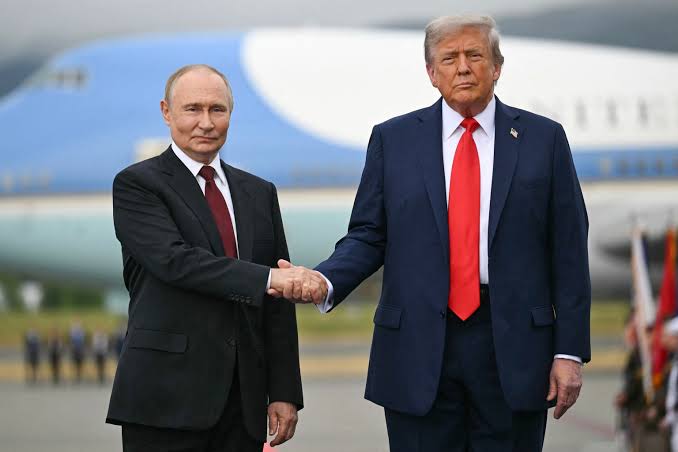
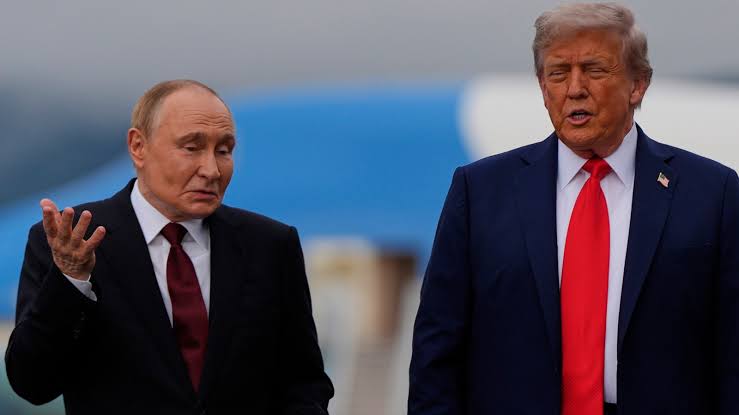
The summit, hosted at a US military base in Alaska, was seen as a critical attempt to find common ground on the Ukraine war. Despite cordial exchanges and talk of “progress,” both Trump and Putin confirmed that no final deal was reached. Trump admitted that “a few sticking points remain,” while Putin stressed the need for continued dialogue but stood firm on Russia’s core positions.
Tariff Cloud Over Indian Exports
For India, the failed talks bring immediate economic concerns. The US has linked a fresh 25% tariff on Indian exports directly to New Delhi’s continued purchase of discounted Russian oil. The penalty is scheduled to take effect on August 27 unless progress is made. Trump has invested heavily in a potential breakthrough with Moscow, but his domestic opposition and European allies remain deeply divided over concessions to Russia.
India, which has significantly increased imports of Russian crude since 2022, argues that the move is vital for its energy security. However, Washington sees these purchases as enabling Moscow’s war effort. “The Modi government must now weigh the costs of cheaper oil against the risk of losing trade access to the US,” said a senior policy analyst.

US Treasury Secretary Scott Bessent warned ahead of the summit that more tariffs could follow if Russia refused to compromise. He urged European allies, many of whom import refined petroleum products from India, to join the sanctions effort. A bill before the US Congress even proposes tariffs of up to 500% on states seen as propping up Moscow’s war economy.
This escalating pressure places India in a difficult spot. While New Delhi has avoided taking sides publicly in the Ukraine war, its reliance on Russian energy has deepened. India now finds itself entangled in geopolitical tensions it has long sought to balance.
Delhi’s Options
The Indian government hopes Trump will postpone the tariff deadline to allow more time for negotiations. Officials are closely monitoring developments and weighing options, including diversifying oil sources, negotiating exemptions, or recalculating the trade-offs of Russian imports. A government source suggested that Delhi may push for a delay, at minimum, to avoid immediate disruption.
Analysts say India’s predicament highlights how global conflicts are reshaping trade dynamics. “Energy security has come at a price,” one foreign policy expert noted. “India must now navigate the fallout of being tied, however indirectly, to the geopolitics of Ukraine.”
Global Stakes Remain High
While Trump continues to project optimism about a future deal with Russia, uncertainty persists. European capitals remain skeptical of any compromise that could legitimize Moscow’s gains, and Washington faces domestic pushback. For India, the coming weeks will be critical. If Trump does not back down, New Delhi may be forced to rethink its entire approach to oil imports and trade with the West.
As the countdown to August 27 begins, India’s strategic balancing act between Washington and Moscow faces one of its toughest tests yet.