
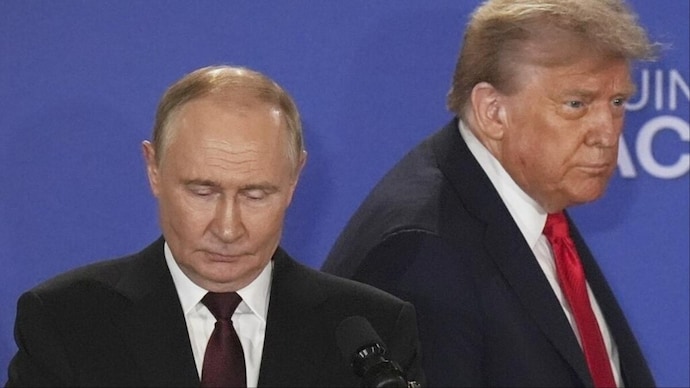
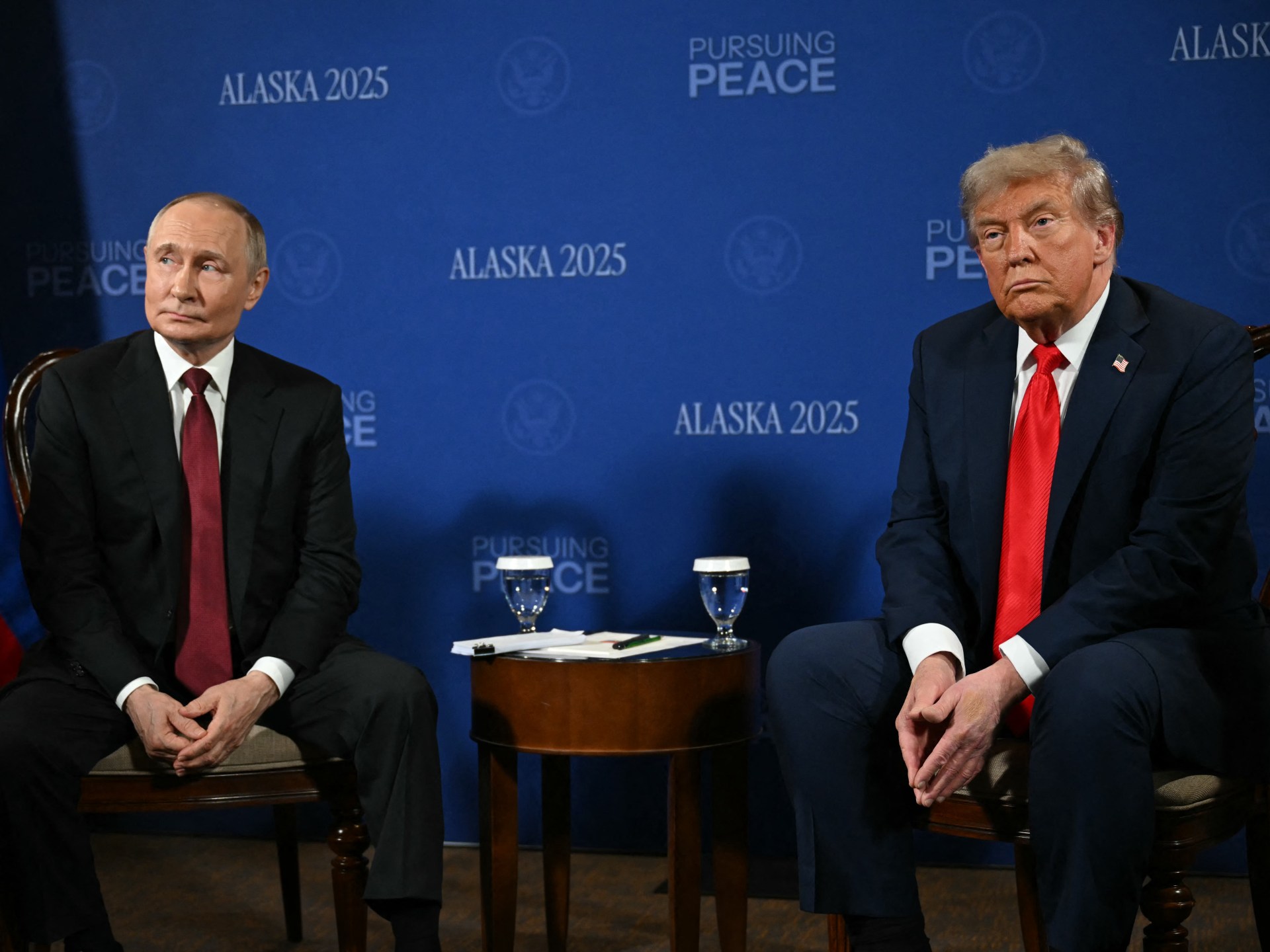

The New Strategic Arms Reduction Treaty, commonly known as New START, officially expired this week after more than a decade in force. The agreement had limited both the US and Russia to a maximum of 1,550 deployed nuclear warheads and 700 missiles and bombers.
With no successor treaty in place, both nations are now legally free to expand their nuclear arsenals for the first time since the Cold War era. Arms control experts warn that this could destabilise global security at a time of growing geopolitical tensions.
Trump Pushes for New Deal, Rejects Extension
President Trump said he was not interested in extending the New START treaty, even voluntarily, arguing that it had been “badly negotiated” and repeatedly violated. Writing on his social media platform, he called for nuclear experts from both countries to begin work on a new, improved treaty that could last for decades.
Trump has also reiterated his desire to include China in any future nuclear arms agreement. However, Beijing has shown little interest in joining talks, noting that its nuclear stockpile is significantly smaller than those of Washington and Moscow.
Russia Expresses Regret but Signals Restraint
Moscow expressed disappointment over Washington’s rejection of the extension proposal. Kremlin spokesperson Dmitry Peskov said Russia regretted the treaty’s expiration but would continue to act responsibly in matters of nuclear stability.
Russian officials have stated that national security interests will guide their decisions going forward. Putin had earlier indicated his willingness to continue abiding by the treaty’s limits for another year if the US agreed to do the same.
Informal Talks Failed to Bridge Gap
According to diplomatic sources, US and Russian delegations recently discussed the possibility of a short-term extension during meetings in Abu Dhabi, held alongside talks related to the Ukraine conflict. The idea reportedly involved an informal, non-binding arrangement.
However, the New START framework does not allow for further extensions beyond those already used, making any such agreement purely political rather than legal. The discussions ultimately failed to produce a breakthrough.
Global Anxiety Over Nuclear Weapons Grows
The collapse of the last remaining US-Russia arms control treaty has heightened global anxiety over nuclear weapons. Analysts point to recent conflicts involving nuclear-armed states as evidence that long-standing deterrence norms are under strain.
Warnings from Russian leaders about potential nuclear responses to Western involvement in Ukraine have further unsettled observers. Meanwhile, Trump has previously raised the possibility of resuming nuclear testing, adding to fears of eroding global safeguards.
India and the World Watch Closely
India, which maintains strategic partnerships with both the US and Russia, is closely monitoring developments. A breakdown in nuclear arms control could have serious implications for global stability and non-proliferation efforts.
Uncertain Future for Arms Control
The first START treaty was signed in 1991 between the US and the Soviet Union, marking a historic effort to roll back Cold War nuclear stockpiles. New START, signed in 2010, carried that legacy forward into the modern era.
With its expiration, the future of nuclear arms control now hinges on whether Washington and Moscow can overcome deep mistrust to craft a new agreement. Until then, the world enters an era of heightened uncertainty over the balance of nuclear power.