 Trump’s Remarks on India and Trade
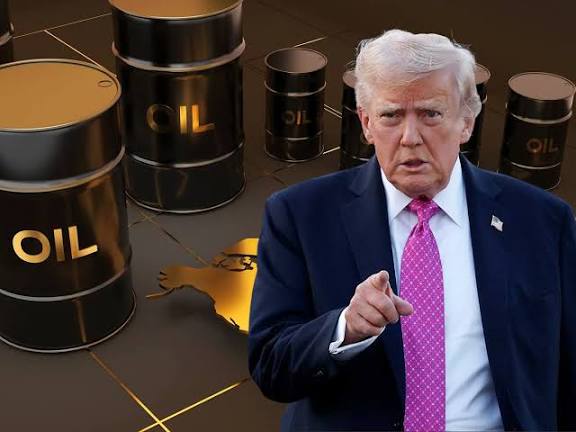
Addressing the media on Sunday, Trump said India’s ongoing trade with Russia, particularly in the energy sector, was a point of concern for Washington. He indicated that tariff measures could be deployed swiftly if the US administration chose to respond.
“They do trade, and we can raise tariffs on them very quickly,” Trump stated, underscoring the leverage the United States believes it holds in bilateral trade negotiations. While he avoided specifying the sectors that could be targeted, the statement has sparked widespread attention across diplomatic and economic circles.
India’s Russian Oil Strategy
Since 2022, India has significantly increased its imports of discounted Russian crude oil, citing national interest and energy security. Indian officials have consistently maintained that these purchases comply with international regulations and help shield the domestic economy from global price shocks.
The Indian government has reiterated on several occasions that its energy decisions are driven by affordability and availability, especially given India’s status as one of the world’s largest oil importers. According to official data and public statements, India continues to engage with multiple suppliers to diversify risk.
Statements from the Ministry of External Affairs have emphasized that India’s foreign policy decisions are independent and guided by long-term strategic considerations.
Potential Impact on India–US Relations
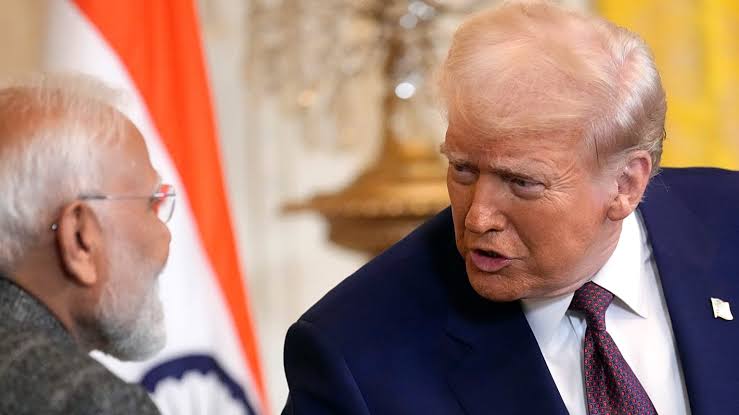
India and the United States share a multifaceted strategic partnership encompassing defence, technology, trade, and people-to-people ties. While trade disagreements have surfaced periodically, both sides have worked to prevent them from escalating into prolonged disputes.
Experts note that Trump’s comments may be aimed as much at domestic political messaging as at signaling policy direction. However, the possibility of tariffs could impact Indian exports to the US, particularly in sectors such as pharmaceuticals, engineering goods, and information technology services.
According to analysts, any tariff action would likely trigger diplomatic engagement rather than immediate retaliation, as both nations have strong incentives to preserve broader cooperation.
Global Context and Diplomatic Balancing
The United States has repeatedly urged its allies and partners to reduce economic engagement with Russia following the Ukraine conflict. India, however, has adopted a balanced diplomatic approach, maintaining dialogue with all major global powers.
New Delhi has also stressed that Europe continues to import Russian energy in various forms, arguing against selective scrutiny. Indian policymakers argue that developing economies face unique challenges that must be acknowledged in global policymaking.
What Lies Ahead
While Trump’s remarks stop short of announcing immediate policy action, they have introduced uncertainty into the economic outlook for bilateral trade. Much will depend on follow-up discussions between Indian and US officials and the broader geopolitical climate.
Observers believe that backchannel diplomacy and economic negotiations will intensify in the coming weeks, aimed at preventing rhetoric from translating into disruptive trade measures.
For now, India appears set to continue its energy procurement strategy while engaging diplomatically with Washington to manage differences without derailing the broader partnership.