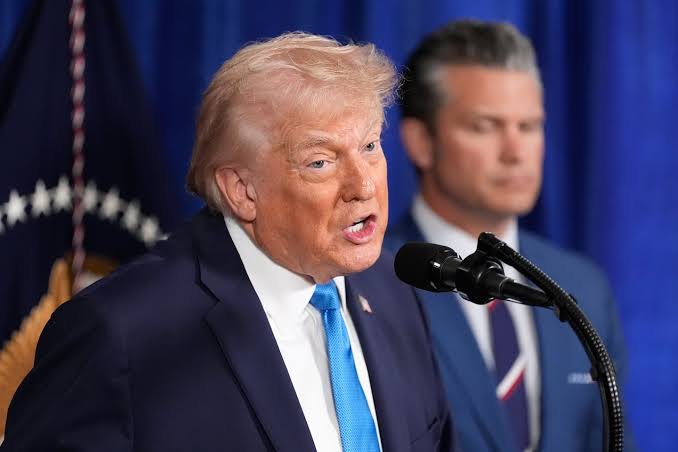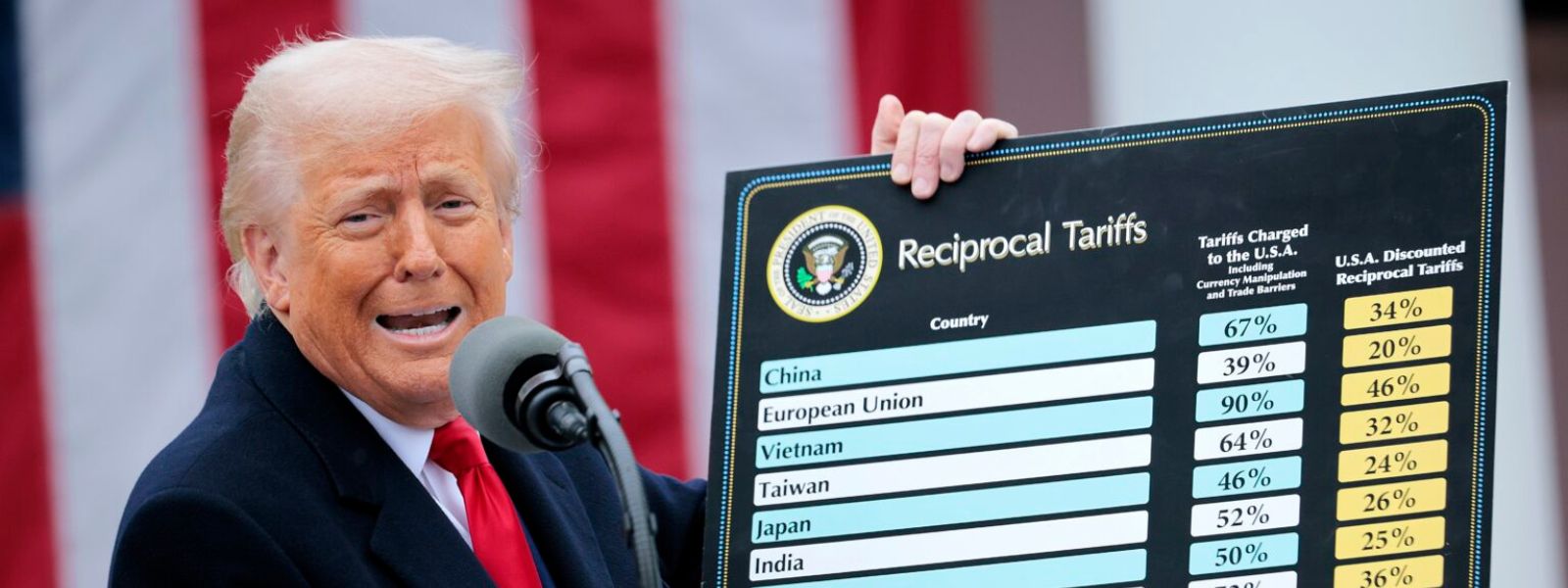
US President Donald Trump has once again rocked global trade. On Wednesday, he announced new US import tariffs that will hit seven countries hard—starting August 1.
Sri Lanka, Iraq, Algeria, and Libya will face a sharp 30% tariff on their exports to the US. Products from Brunei and Moldova will attract a 25% levy. Philippines is hit with a 20% duty.
The move signals a dramatic escalation in Trump’s aggressive trade policy since his return to the White House in January 2025.
 What Prompted the Tariffs?
Trump’s decision came via formal tariff demand letters. These letters were sent to the governments of the affected countries. The message is clear: sign a trade deal with Washington or pay up.
Trump justified the hike as a response to what he called “unfair and non-reciprocal trade practices.” He emphasized that countries must either manufacture in the United States or face penalties.
“These are common-sense decisions,” Trump said. “We’re just demanding fairness.”
Sri Lanka Faces Major Blow
Sri Lanka, a growing export hub for apparel and electronics, now faces one of the steepest penalties. The island nation previously risked a 44% tariff. Trump has reduced it to 30%, but the impact remains huge.
Analysts say Sri Lanka’s apparel exports, tea, and rubber products may take a significant hit. The United States is one of Sri Lanka’s largest trading partners.
The move comes as the South Asian nation struggles to stabilize its economy post-pandemic. Sri Lanka’s trade ministry has not yet responded to the announcement.
Iraq and Libya Also Targeted
Both Iraq and Libya—key oil exporters—now face 30% tariffs. Although their primary trade with the US is in energy, the new duties could increase costs for American refiners.
Iraq had previously been on track to receive a 39% tariff. Trump has slightly relaxed this rate, citing diplomatic “adjustments.”
New Duties on Brunei, Moldova, Philippines
Brunei and Moldova will now be subject to a 25% tariff. The Philippines will face a 20% duty.
These countries are smaller trade players compared to Sri Lanka or Iraq. Still, the new rates may affect specific sectors like electronics, processed foods, and metal goods.
The Philippines’ trade office warned that the hike could hurt bilateral ties, especially in light of ongoing security cooperation in the Indo-Pacific region.
Trump’s Tariffs as a Diplomatic Tool
Trump is using trade pressure to achieve broader diplomatic goals. He even referred to it during a White House luncheon with African leaders.
“Trade seems to be a foundation for peace,” Trump said. He pointed to past efforts where he used tariffs to influence outcomes in conflicts like India-Pakistan and Kosovo-Serbia.
On Monday, Trump imposed a 35% duty on Serbia, citing the same strategy. His stance: No peace, no trade.
More Tariffs on the Horizon
The new batch of tariffs is part of a broader wave. Since January, Trump has already introduced sector-specific tariffs on steel, aluminum, and automobiles.
And he isn’t stopping there. On Tuesday, he confirmed new levies are coming for copper and pharmaceuticals.
Trump warned that more countries will receive formal letters in the coming days. He hinted that Brazil could be next.
What Happens Next?
The targeted nations have until August 1 to negotiate. Otherwise, the tariffs will kick in automatically.
In the meantime, the Trump administration has made it clear: only those willing to strike favorable trade deals will escape further penalties.
The US business community remains divided. Some industries, especially manufacturing, welcome the protectionist stance. But others worry it could disrupt global supply chains and raise consumer prices.
Conclusion: A High-Stakes Gamble
Trump’s tariff blitz is bold—and risky. He’s reshaping America’s global trade landscape with a blend of hardline economics and diplomacy.
As deadlines approach, nations are scrambling to respond. Some may seek compromise. Others might retaliate.
For now, one thing is certain: global trade tensions are heating up. And the world is watching closely.