
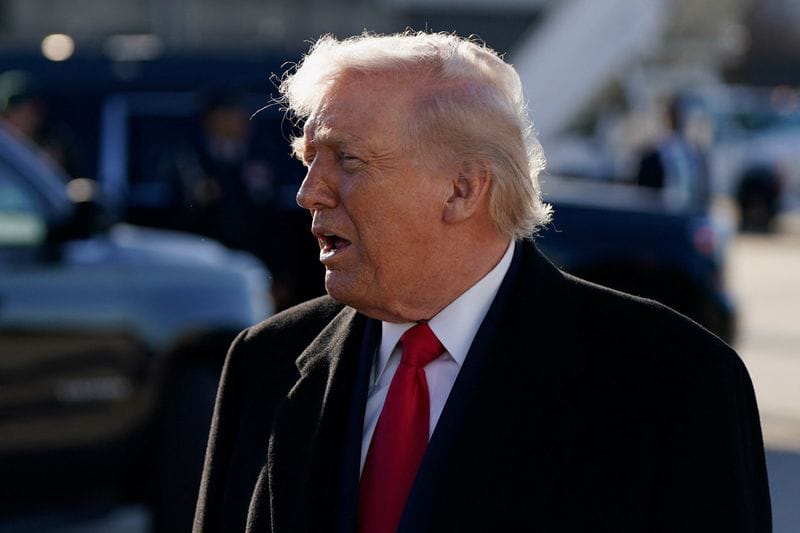
Washington/Geneva: US President Donald Trump has confirmed that he will be involved “indirectly” in the upcoming nuclear negotiations between the United States and Iran, as high-stakes talks begin in Geneva amid escalating regional tensions.
Trump Signals Indirect Role
Speaking to reporters aboard Air Force One, President Trump said the talks would be “very important” and indicated that while he may not be directly at the negotiating table, he would remain closely involved in shaping the process.
The negotiations, scheduled to begin in Geneva, aim to address long-standing disputes over Iran’s nuclear programme. Trump expressed optimism that Tehran is now willing to strike a deal, suggesting that recent events may have shifted its negotiating stance.
“I don’t think they want the consequences of not making a deal,” the President said, referring to heightened military and diplomatic pressure over the past year.
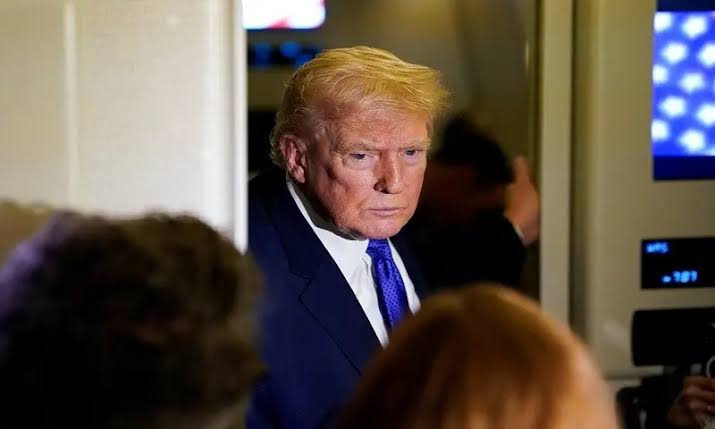

The talks come against a tense geopolitical backdrop. The United States has reportedly deployed a second aircraft carrier to the Middle East, signalling preparedness for potential escalation if diplomacy fails.
US officials have indicated that contingency plans are in place, including the possibility of a sustained military campaign should negotiations collapse. This follows last year’s US strikes on Iranian nuclear facilities, a move that dramatically altered the regional security environment.
Before those strikes, earlier rounds of talks had stalled over Washington’s demand that Iran halt uranium enrichment on its soil. The US views domestic enrichment as a pathway to potential weaponisation, a charge Iran has consistently denied.
Iran’s Preparations and Messaging
Iran’s Foreign Minister has travelled to Geneva for the talks, while Tehran has simultaneously conducted civil defence and live-fire drills in strategic areas, including near key energy infrastructure.
Iran’s civil defence organisation recently carried out a chemical defence exercise in the Pars Special Economic Energy Zone in southern Iran. Officials described it as a preparedness measure for potential emergencies in the energy hub.
These parallel actions underline the fragile atmosphere surrounding the negotiations. Analysts say both sides are entering the talks seeking leverage while publicly signalling readiness for dialogue.
Global Stakes and Regional Implications
The outcome of the Geneva talks could have far-reaching consequences for Middle East stability, global oil markets and international non-proliferation efforts. Any breakthrough may ease tensions, while failure could trigger renewed confrontation.
Israel has previously stated that any agreement must dismantle Iran’s nuclear infrastructure, reflecting broader regional concerns. Meanwhile, global powers are closely watching the negotiations for signs of de-escalation.
For official updates, readers can refer to the US State Department website at state.gov and the International Atomic Energy Agency at iaea.org.
Diplomacy at a Crossroads
As talks begin in Geneva, diplomacy stands at a critical juncture. President Trump’s assertion of indirect involvement signals continued White House oversight, even if negotiations are handled by senior envoys.
Whether the renewed dialogue leads to a comprehensive nuclear agreement or deepens confrontation will depend on how far both sides are willing to compromise on core issues such as enrichment limits, inspections and sanctions relief.
The coming days are expected to determine whether dialogue prevails over deterrence in one of the world’s most sensitive nuclear flashpoints.