
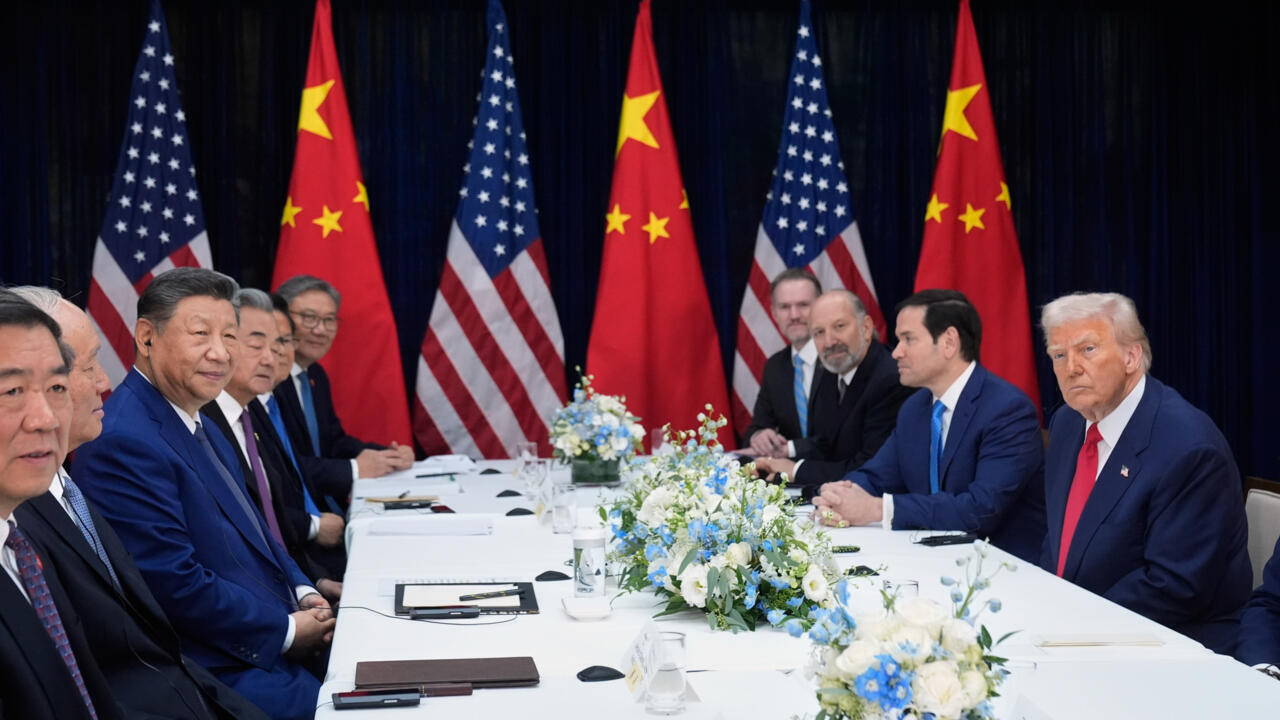
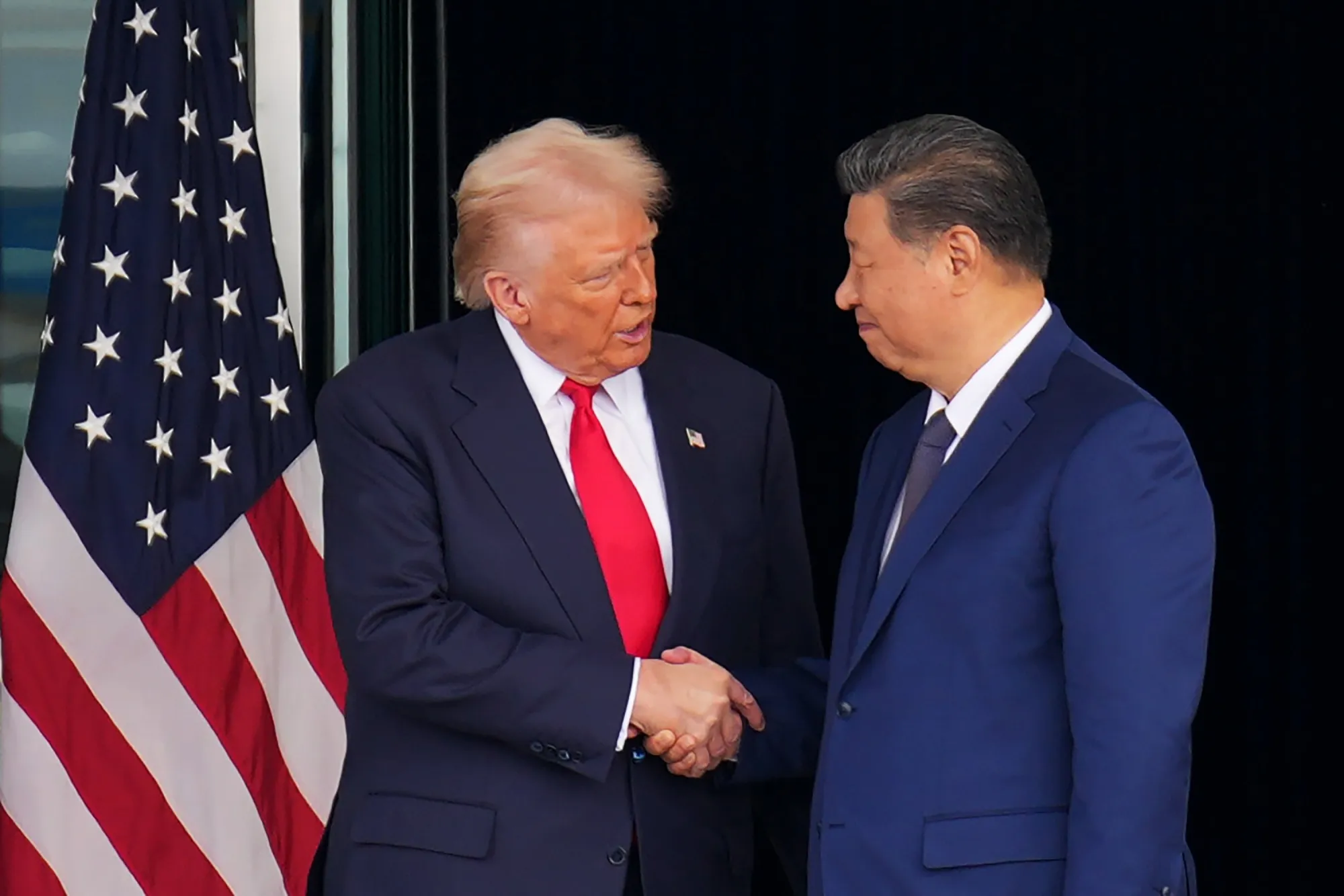

After roughly 90–100 minutes of talks, both leaders framed the meeting as constructive. U.S. officials and President Trump said the U.S. would cut certain fentanyl-related tariffs and bring down overall tariff burdens from roughly 57% to about 47% as part of a package tied to concrete Chinese commitments. Markets reacted cautiously to the announcement.
Separately, U.S. Treasury Secretary Scott Bessent said China agreed to resume large soybean purchases an initial shipment of about 12 million metric tons this season and a pledge to buy roughly 25 million metric tons annually over coming years a move Treasury described as a major win for U.S. farmers.
Trade, tech and rare earths
The leaders discussed a suite of trade and technology issues. Beijing reportedly agreed to pause newly tightened export controls on certain rare-earth minerals for around a year while Washington agreed to a temporary suspension of some entity-list restrictions, offering breathing room for global tech supply chains. The announcements aim to limit supply shocks for manufacturers dependent on these materials.
Both sides also signalled willingness to advance talks on TikTok and other commercial frictions though officials caution that detailed legal and regulatory work remains. Industry executives welcomed clarity but warned that implementation will determine real impact.
Why the deal matters and its limits
For U.S. agriculture, Beijing’s soybean commitment removes a key uncertainty. Prices and futures rose after the announcements. Yet analysts note that the volumes while large return trade to historical patterns rather than expand market share dramatically, and immediate economic relief will vary by region.
On tariffs and technology controls, the pact is best read as a tactical de-escalation rather than a comprehensive settlement. Many big issues semiconductors, human rights, Taiwan and long-term export controls were not resolved and will require further negotiation. Observers warn the truce could be fragile if either side backtracks.
Next steps and timeline
Senior U.S. officials said negotiating teams will meet immediately to turn summit understandings into signed texts; one U.S. official suggested a formal trade agreement could be signed in the coming week if technical talks progress. Both sides set timelines for follow-up consultations and implementation reviews. Trump also said during departure that he expects further engagement with China, including a planned visit to Beijing, highlighting a diplomatic momentum that both capitals appear keen to sustain.
Market and geopolitical reaction
Global markets were mixed: commodity futures for soybeans rose, while equities showed modest gains and some profit-taking as investors weighed long-term implications. Policymakers and business leaders welcomed reduced near-term uncertainty but urged caution: the details, enforcement mechanisms and legal texts will determine whether the truce endures.
Geopolitically, the meeting also drew attention to cooperation on narcotics controls notably commitments on fentanyl precursors and to broad pledges to consult on regional conflicts and energy cooperation. Critics said the summit glossed over thorny structural disagreements that remain unresolved.