
Tariff Tensions Return Ahead of Elections
In a bold move, U.S. President Donald Trump announced a 25% tariff on all imports from Japan and South Korea, effective from August 1, 2025.
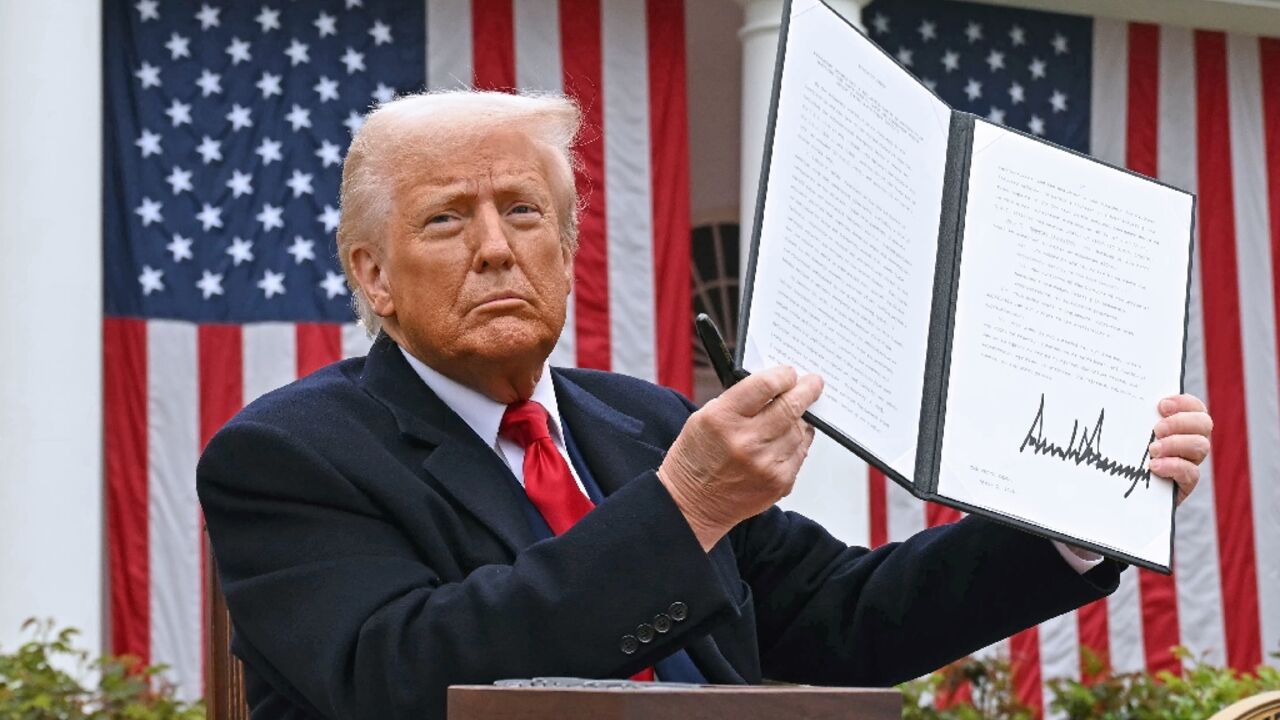
The move aims to correct what Trump calls an “unfair trade deficit” with East Asian nations. The announcement came via his Truth Social account, accompanied by letters addressed to Japanese Prime Minister Ishiba Shigeru and South Korean President Lee Jae-myung.


“Only 25%”: A Warning with Wiggle Room
Trump emphasized that the 25% rate is “far less than what is needed” to eliminate the deficit. The letters made it clear: any transshipped goods designed to bypass the tariffs will be penalized even more.
“Please understand that these tariffs are necessary to correct years of unfair trade barriers,” Trump stated. “This deficit is a threat to our economy and national security.”
Local Manufacturing = No Tariff
Trump also extended an olive branch. Companies from Japan or South Korea willing to shift their production to the U.S. would face zero tariffs. He promised “quick and professional approvals” for such investments.
The message was clear: move your factories to America, or pay the price.
Shift from Diplomacy to Decree
The letters, labeled as final and non-negotiable, signal a shift from traditional diplomacy to unilateral declarations. They come just before the July 9 expiration of a 90-day tariff suspension announced in April 2025.
That earlier plan floated a base tariff of 10%, potentially rising to 70% for “non-compliant nations.” Trump’s current stance, while slightly less aggressive, reflects his long-held belief in “America First” trade policy.
Wall Street Feels the Heat
The market reacted quickly—and not in favor. According to Reuters, the Dow Jones plunged by 456 points (1.02%), while the S&P 500 and Nasdaq also saw declines of 0.86% and 0.88%, respectively.
Investors fear retaliation from the affected countries and possible disruptions to global supply chains.
Will Japan and Korea Retaliate?
Both Japan and South Korea are yet to respond formally. Analysts warn that retaliatory tariffs could spark another round of global trade uncertainty—much like the U.S.-China tariff war during Trump’s first term.
The economic stakes are high. Japan exported over $130 billion worth of goods to the U.S. in 2024, while South Korea’s exports exceeded $95 billion, as per data from the Office of the U.S. Trade Representative.
2025 Elections: Political or Policy?
Critics suggest the timing is politically motivated, with Trump aiming to rally industrial workers and nationalists ahead of the 2025 elections.
Yet, others believe he’s making good on his promise to “rebalance American trade.” Either way, the new tariffs will reshape U.S. ties with its Asian allies—economically and diplomatically.
Conclusion: Fair Trade or Global Fallout?
Trump’s 25% tariff isn’t just an economic tool. It’s a message—to America and the world—that the rules of trade are being rewritten.
Whether this move leads to renewed manufacturing in the U.S. or triggers global retaliation remains to be seen. But one thing is certain: the trade war is back, and it’s personal.