On May 26, 2014, when Shri Narendra Modi first took office as India’s Prime Minister, he ignited a mission to transform the nation’s economy and infrastructure. Among the many sectors experiencing profound change, coal stands out as a crucial example of this transformation. Over the past decade, India’s coal production and dispatch have crossed the significant milestone of 1 billion metric tonnes, reinforcing the country’s energy security and providing a reliable, affordable power supply. This achievement reflects the tireless efforts of around five lakh workers directly engaged in mining and many others indirectly supporting the sector.
However, this progress was far from instantaneous. In 2014, India’s coal sector was struggling to keep up with soaring demand, producing only 610 million tonnes, a modest increase from previous years. This gap posed a formidable challenge to the newly elected government. The cancellation of 204 coal blocks by the Supreme Court in 2015 became a turning point, paving the way for reforms. The introduction of commercial coal mining in 2020 marked a new era of transparency, competition, and growth.
Since then, approximately 150 coal mines have been auctioned, with multiple rounds of bidding encouraging private sector participation. This has driven a remarkable 70% increase in coal production over the decade, benefiting state governments with significant revenues through auction premiums and royalties. The inclusion of private players, once viewed with skepticism, is now seen as a vital partner in building a stronger, more transparent coal industry.
Addressing environmental concerns, the coal sector has made commendable strides in adopting sustainable practices. Efforts like large-scale afforestation, eco-friendly mining techniques, cleaner coal technologies, and blast-free mining now account for more than half of production, reducing pollution and preserving ecosystems. The government has also committed substantial investments in coal gasification and cleaner alternatives, aiming for a greener energy future.
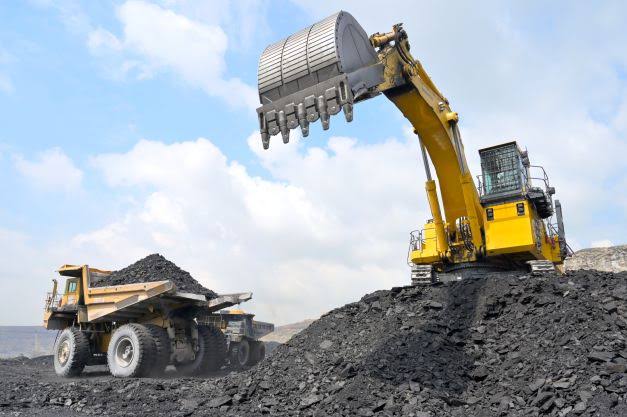
Underground mining is being promoted for its lower environmental impact, and infrastructure upgrades like mechanized loading systems are improving efficiency while minimizing harm. While coal’s share in India’s electricity generation has decreased from 60% in 2014 to 47% today, it remains a key pillar supporting the nation’s energy needs as renewable sources gradually expand.
India’s per capita electricity consumption remains far below the global average, signaling that energy demand will only grow as the country progresses towards becoming a $35 trillion economy by 2047. Coal will continue to play an essential role in this growth story. Innovations such as the upcoming coal trading exchange and the DigiCoal initiative, which uses AI, 5G, and drones, are modernizing the sector and enhancing transparency and governance.
Once criticized as inefficient and corrupt, India’s coal sector has undergone a remarkable transformation, setting a new standard for sustainable and modern mining. With continued focus on modernization, sustainability, and collaboration, India is poised to strengthen its leadership in the global resource economy and power its vision of a developed, self-reliant nation.