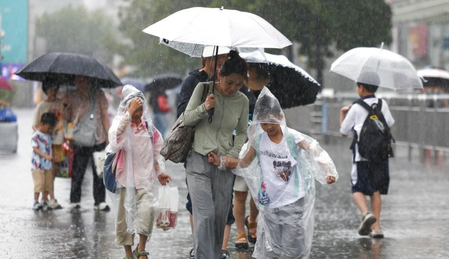
Typhoon Kajiki Nears Hainan, Guangxi on High Alert
South China’s coastal provinces are bracing for Typhoon Kajiki, the 13th typhoon of 2025. Authorities in Guangxi and Hainan have issued alerts, suspended port operations, and stepped up flood control efforts as the storm gathers strength in the South China Sea.
Emergency response underway 🌊
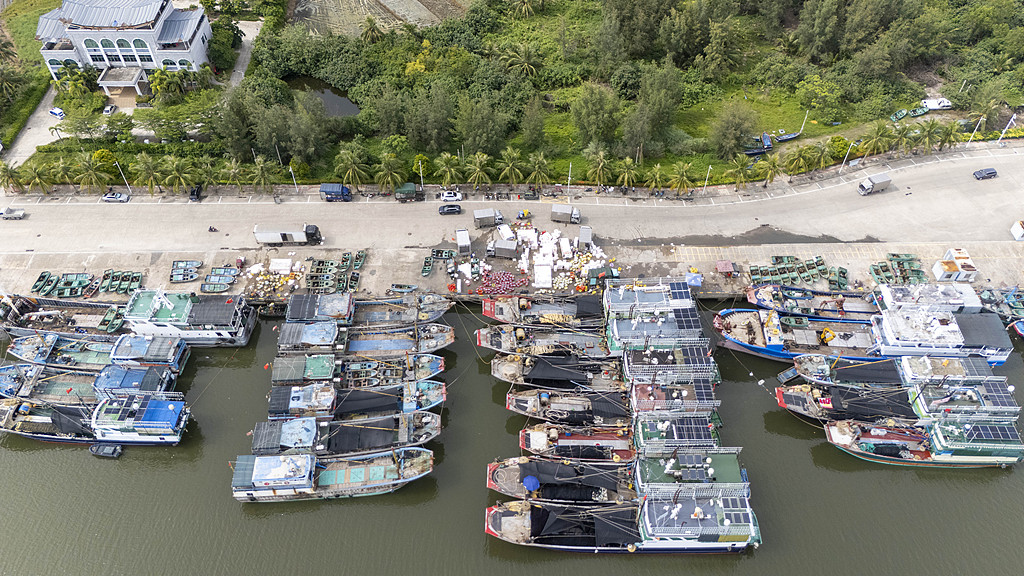
The Guangxi Maritime Safety Administration activated a Level-IV emergency response on Saturday. Patrol vessels were dispatched in Beihai, Qinzhou, and Fangchenggang to ensure fishing boats returned safely to port. China’s emergency response system has four tiers, with Level I being the most severe.
Meanwhile, the State Flood Control and Drought Relief Headquarters issued its own Level-IV alert for Hainan. A central working group was sent to assist with flood prevention and disaster relief across the island province.
Ports shut, residents on alert ⚠️
In Haikou, Hainan’s provincial capital, three major ports suspended operations at 5 p.m. on Saturday. Local authorities urged residents to remain cautious and avoid unnecessary travel near coastal areas.
Fishing boats were seen returning in large numbers to Tanmen Port in Qionghai City on August 23. Maritime officials warned that even inland towns could face flash flooding and landslides as the storm moves closer.
Storm path and intensity
According to meteorological data, Typhoon Kajiki developed from a tropical depression over the South China Sea on Saturday morning. By 8 a.m., its center was located around 770 kilometers east of Sanya City in Hainan. The system had maximum wind speeds of 18 meters per second and a central pressure of 998 hectopascals.
The storm is moving west-northwest at 25 kilometers per hour. Forecasters expect it to strengthen further before making landfall or brushing past Hainan’s southern coast on Sunday evening. After crossing Hainan, Kajiki is likely to head toward the central and northern coastal regions of Vietnam.
Potential impact on Vietnam and beyond
Vietnamese authorities have already started issuing advisories for residents in northern and central coastal provinces. Past storms in this region have caused widespread flooding and agricultural damage, and Kajiki’s trajectory has raised similar concerns.
According to the World Meteorological Organization, the western Pacific has seen an active typhoon season this year, with multiple systems intensifying rapidly due to higher sea surface temperatures. Climate experts warn that rising ocean heat could make future storms more unpredictable and destructive.
Preparedness and safety measures
Authorities in Hainan have urged families to stock essential supplies, stay updated on weather alerts, and avoid venturing out during the storm. Emergency shelters are being prepared in low-lying areas, while schools and offices may face temporary closures if conditions worsen.
For Guangxi and Hainan, the next 48 hours will be critical. With ships docked, ports closed, and emergency teams on standby, both provinces are racing against time to minimize the typhoon’s impact.