
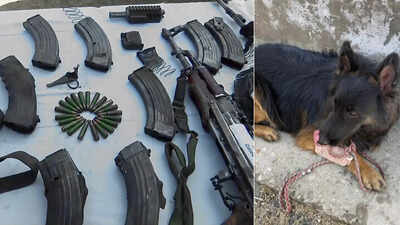

The operation, which began on January 14, 2026, involved several encounters with terrorists on January 18, 22, 25, 31, and February 4 and 8. Soldiers traversed harsh terrain, including snow, rain, and landslides, often trekking for 6–8 hours or being inserted via helicopters to maintain pressure on the terrorists.
Neutralising the Terror Network
IGP Jammu B S Tuti stated that the operation targeted the “Israel Group,” a hardcore JeM faction that had infiltrated Indian territory in 2024. Over 1.5 years, the group had been engaged multiple times, with three terrorists previously eliminated in April 2025. The recent operation concluded with the death of JeM commander Saifullah and his aides, crippling the leadership in Kishtwar.
Maj Gen Bal confirmed that around 20 foreign terrorists remain active in Jammu, but the operation successfully prevented further threats in the region. Security forces recovered multiple AK-47 rifles and other war-like stores during the operation.
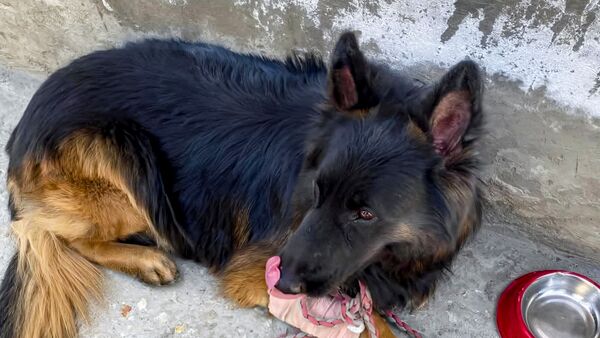
The success of Op Trashi-1 has been hailed as a testament to the Indian Army’s integration of animal units, human intelligence, and technology in counter-terrorism missions. Tyson’s bravery has captured public attention and highlighted the role of trained military dogs in India’s security operations.
India’s Counter-Terror Efforts
Operation Trashi-1 reflects India’s commitment to neutralising cross-border terror threats and ensuring safety in the sensitive Jammu & Kashmir region. The operation demonstrates how joint action between the Army, police, and paramilitary forces is crucial to tackling entrenched terrorist networks.