
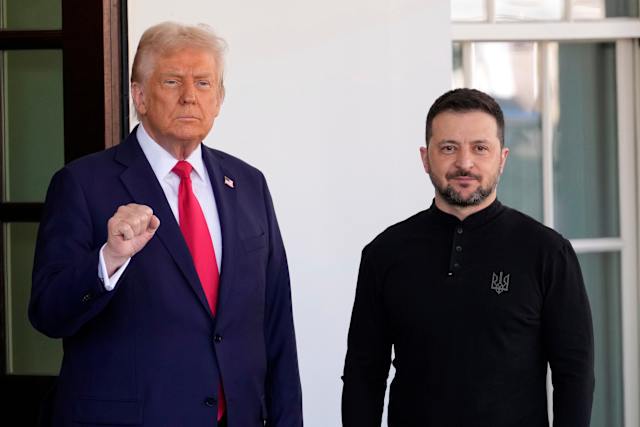
The United States has decided to pause all military aid to Ukraine, citing the need for Ukrainian leaders to demonstrate a genuine commitment to peace. This decision, ordered by President Donald Trump, follows a tense and highly publicized meeting with Ukrainian President Volodymyr Zelensky at the White House. The move has cast uncertainty over Ukraine’s access to critical defense support from its most important ally.
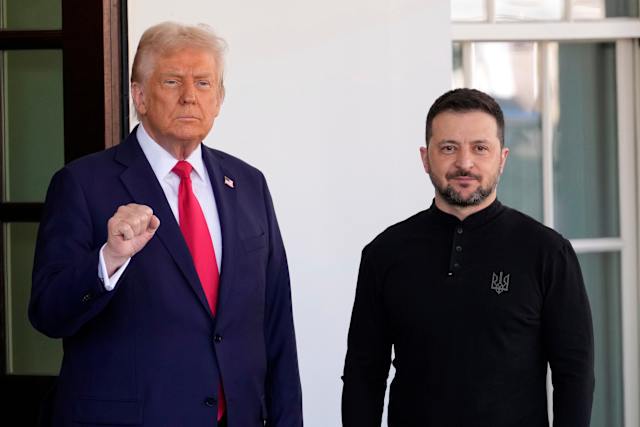
The relationship between the two leaders has long been complicated, but tensions reached a breaking point when Trump and Vice President JD Vance publicly criticized Zelensky following their White House meeting. Vance accused the Ukrainian president of being “ungrateful” for the support his country had received, while Trump went further, claiming Zelensky was “gambling with World War III.” These remarks have sparked concerns among US allies, particularly in Europe, where leaders have begun working on their own peace proposal in the hopes of bringing an end to the war.
Trump has consistently voiced his desire to see the conflict between Ukraine and Russia resolved but has faced criticism for echoing Kremlin narratives in his discussions on the matter. His administration had previously allowed military aid to Ukraine to continue, even after Secretary of State Marco Rubio announced a temporary pause on most foreign aid grants in January. At the time, Rubio had stated that no new funds would be approved without case-by-case review, though Ukraine had remained an exception—until now.
The pause in aid marks a critical turning point in US foreign policy regarding Ukraine, leaving many to wonder whether the country will be able to sustain its defense efforts without American military support. European leaders are now scrambling to reassess their own commitments, with many fearing that without US backing, Ukraine’s position in the war could become significantly weaker. As the world watches the unfolding situation, the fate of Ukraine’s military assistance remains uncertain, raising broader questions about the future of Western unity in the face of continued Russian aggression.