
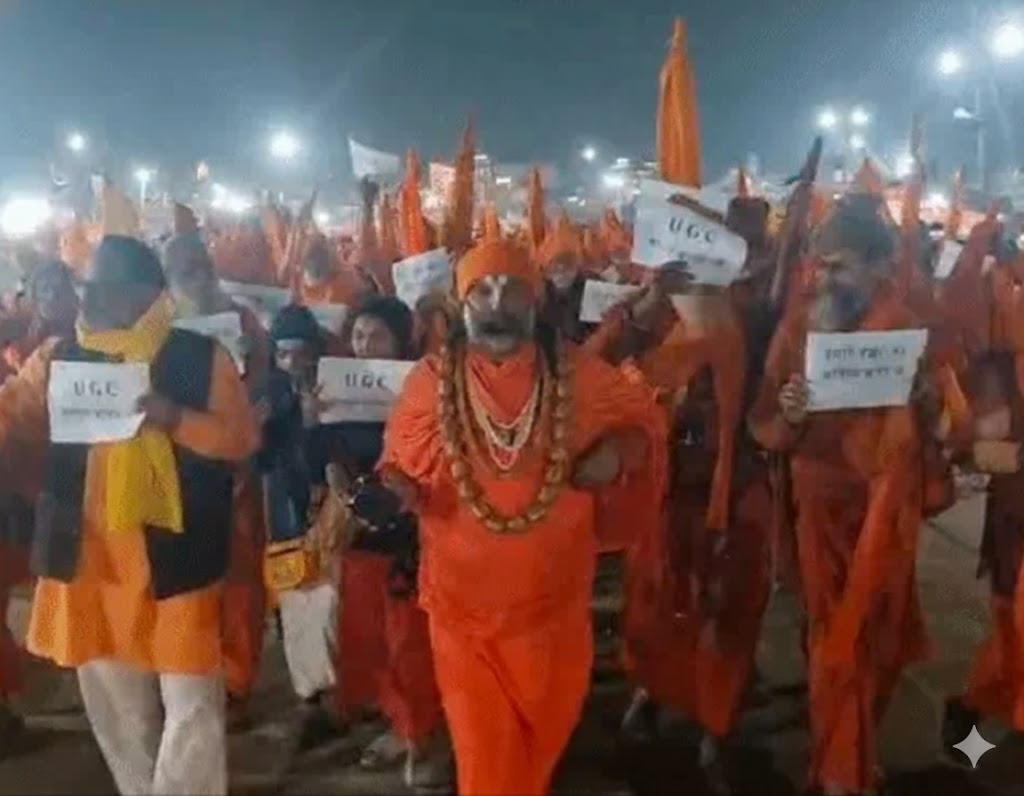

Responsibility for the UGC guidelines rests squarely with the Ministry of Education. Union Minister Dharmendra Pradhan’s silence or acquiescence has raised uncomfortable questions about oversight and intent. More troubling is that an earlier draft of the regulations reportedly struck a better balance before activist-driven legal pressure reshaped the final version.
This pattern reflects a recurring governance problem: well-meaning goals diluted or distorted by ideological signalling rather than practical outcomes. As detailed by multiple education experts, regulatory overreach without institutional grounding often leads to social backlash instead of reform.
Beyond Government: A Hindutva Reckoning
The larger failure, however, cannot be pinned solely on the government. Organizations that claim to represent Hindutva ideals from the Rashtriya Swayamsevak Sangh to the Vishwa Hindu Parishad have largely limited themselves to cultural mobilisation and political support, neglecting the harder work of institution-building.
Hindutva’s stated aim has always included erasing internal caste divisions by strengthening a shared civilisational identity. Yet, decades into political influence, there are few visible, structured mechanisms to mediate caste conflicts, provide economic upliftment, or deliver social services at scale.
Caste, Community, and the Limits of Policy
Dr B R Ambedkar’s call for annihilation of caste remains morally compelling, but public policy continues to rely on caste categories for affirmative action. This contradiction ensures caste identities remain central to social and political life.
Caste, however, is not merely about discrimination. It also functions as a network of social capital, especially where the state’s reach is limited. Ignoring this reality while pursuing symbolic reform often leads to policy paralysis.
The Missing Institutions
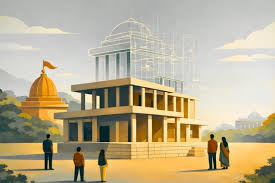
The real weakness of Hindu society today is not a lack of reformist ideas, but the absence of durable institutions to implement them. Historically, figures like Adi Shankaracharya and Swami Vivekananda understood this well, establishing mutts and organisations that outlived them and shaped society for generations.
Modern Hindutva organisations could play a similar role by creating caste arbitration councils, skill development networks for the gig economy, and transparent systems to support priests and religious services for the poor. Economic strength, as ancient Indian wisdom reminds us, is the foundation of social stability.
Instead, the vacuum is filled by the state, courts, or activist groups—often with unintended consequences, as seen in the UGC episode.
What the UGC Controversy Teaches Us
The immediate solution lies in reviewing the guidelines and restoring balance, ensuring protections apply fairly while preventing misuse. The broader lesson, however, is unmistakable: social unity cannot be legislated into existence.
If Hindutva politics is to move beyond symbolism, it must invest in institutions that work quietly and consistently on the ground. Without them, every policy misfire will deepen social divides rather than bridge them.