

What UIDAI announced at the stakeholder meet
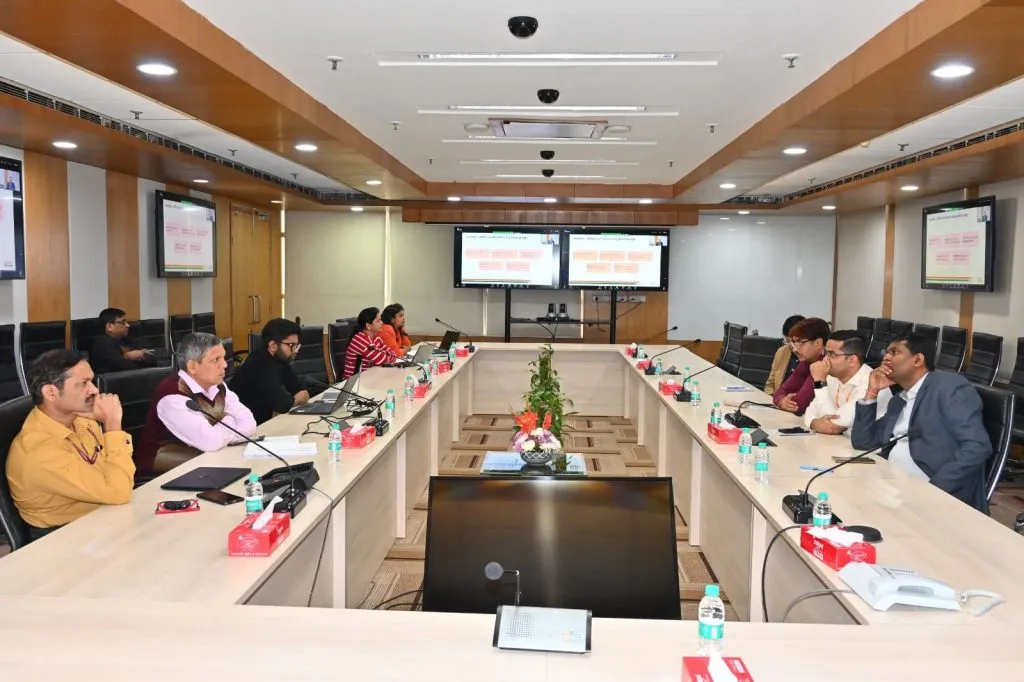
UIDAI CEO Bhuvnesh Kumar said the webinar’s purpose was to build a strong ecosystem around Offline Verification and to spread awareness of the Aadhaar App’s capabilities. The Authority presented how the App will allow residents to share either complete or selective Aadhaar data without exposing the physical Aadhaar document or photocopies—reducing risks linked to identity misuse.
DDG Vivek Chandra Verma walked participants through the technical framework. Officials explained multiple offline modes—QR-based verification, selective data packets and an offline face verification option that confirms physical presence without transmitting live biometric templates to verifiers.

UIDAI emphasised resident control: the Aadhaar App will allow users to keep Aadhaar details of up to five family members, selectively disclose fields (for example, name and age but not address), and toggle biometric lock/unlock with a single click. These functions aim to balance convenience with privacy—especially for routine checks such as hotel check-ins, society entry and event access.
The Authority also highlighted upcoming conveniences including mobile number and address update options via the App, designed to make common Aadhaar services more resident-friendly.
Benefits for service providers and OVSE onboarding
Participants received practical guidance on integrating Offline Verification into existing workflows. UIDAI laid out integration pathways, file formats, API expectations and security considerations for OVSEs. Organisations were encouraged to engage with UIDAI for technical onboarding, compliance checks and pilot integrations.
The webinar included a live Q&A where UIDAI addressed queries on latency, offline verification reliability, and steps for becoming an OVSE. Officials reiterated that the framework is future-ready and built to support high-volume use cases across urban and rural contexts.
Use cases and real-world application
Offline verification use cases discussed during the meet ranged from hospitality and gated-community access to educational and health institutions where internet connectivity may be intermittent. QR verification and offline face match are positioned as robust alternatives where network or data privacy concerns preclude online Aadhaar checks.
UIDAI officials asked industry partners to pilot case studies, especially in areas requiring frequent identity checks but limited data connectivity, so solutions can be refined ahead of the App’s public rollout.
What residents should expect
For Aadhaar holders, the App promises more granular data control and safer identity sharing. UIDAI highlighted that sharing will be resident-driven, with clear consent prompts and the ability to verify the recipient entity before disclosure. Residents will also be able to store family Aadhaar details securely within the App, reducing the need to carry physical documents.
Overall, the initiative is designed to reduce fraud risk, improve user convenience and widen the scope for offline, privacy-preserving identity verification nationwide.