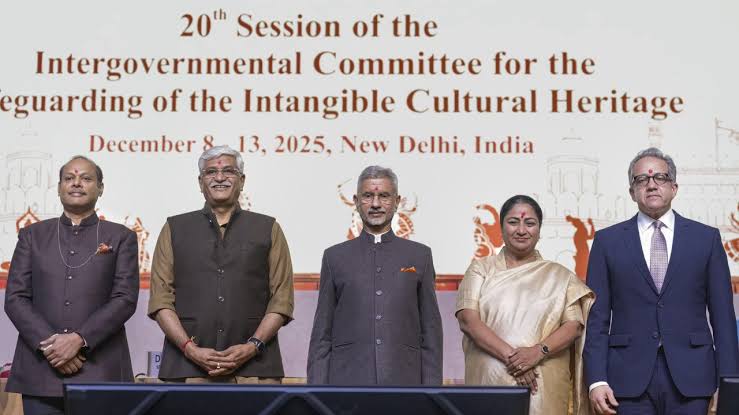
 PM Modi Welcomes Delegates from 150+ Nations
In a message shared on X, the Prime Minister highlighted the significance of the forum in unifying diverse cultures. He noted that the gathering reflects a shared vision to protect intangible heritage including art forms, traditional knowledge, festivals, rituals, craftsmanship, and community-led cultural practices passed down across generations. The Prime Minister added that India’s civilisational ethos positions it as a natural host for conversations around cultural continuity, inclusivity, and respect for heritage.
The Red Fort, a UNESCO World Heritage Site itself, serves as a symbolic venue. Its selection underlines India’s emphasis on linking historical narratives with contemporary efforts to safeguard cultural identity. The Prime Minister emphasised that the event showcases India’s commitment to using culture as a bridge between societies, fostering understanding and collaboration among nations.
India’s Growing Role in Safeguarding Intangible Heritage
As a nation rich in diverse traditions, India is home to several UNESCO-inscribed intangible cultural heritage elements ranging from Kumbh Mela and Vedic chanting to traditional brass and copper craftsmanship of Thatheras. Hosting the 20th session further strengthens India’s global cultural leadership and highlights ongoing efforts to support community-led cultural revival.
The Ministry of Culture and the Sangeet Natak Akademi are actively participating in the event. Over the next few days, the committee will discuss nominations from various countries and review global strategies to enhance safeguarding mechanisms.
Why Intangible Cultural Heritage Matters
Intangible Cultural Heritage (ICH) encompasses traditions that communities recognize as part of their cultural identity oral histories, performing arts, rituals, festivals, social practices, and artisanal skills. UNESCO created the ICH Convention to protect such living expressions, ensuring they are preserved not merely as relics but as active cultural practices that contribute to social cohesion and sustainable development.
Experts attending the Delhi session will deliberate on capacity-building programs, global cooperation, and community empowerment. The forum will also evaluate how digital technologies can support safeguarding efforts without diluting the authenticity of traditions. Delegates are expected to highlight best practices from across continents, highlighting the interconnectedness of cultural narratives.
India’s Vision for Cultural Diplomacy
The Prime Minister’s message underscores India’s belief that cultural heritage serves as a binding force in a rapidly changing world. By hosting the session, India seeks to amplify its role as a global advocate for cultural respect, diversity, and unity. The event also aligns with India’s broader foreign policy emphasis on soft power using cultural assets to build trust and strengthen international ties.
India’s vibrant festivals, classical arts, folk traditions, and craft heritage have long been admired globally. With the ongoing session, policymakers hope to foster deeper global engagement and encourage countries to collaborate in safeguarding traditions facing modern-day challenges such as migration, urbanisation, and climate change.