 Deepavali Wins Global Recognition
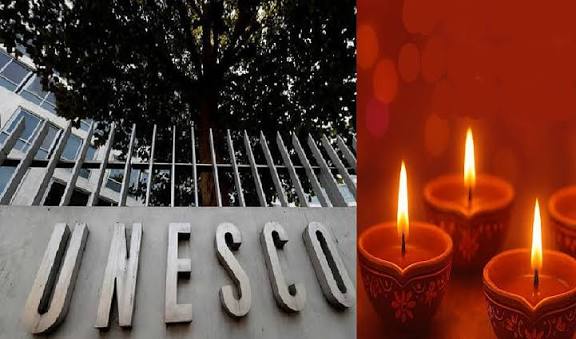
One of the session’s most notable outcomes was the inscription of Deepavali on UNESCO’s Representative List of the Intangible Cultural Heritage of Humanity. The inclusion recognises Deepavali’s significance as a cultural expression of light, renewal and communal harmony practiced across regions and communities.
Secretary Aggarwal described the inscription as a moment of pride for India and congratulated all Member States whose elements were approved during the cycle. The listing is expected to enhance international awareness of Deepavali’s diverse rituals and to support measures for its safeguarding and intergenerational transmission.
Heritage in a Time of Change
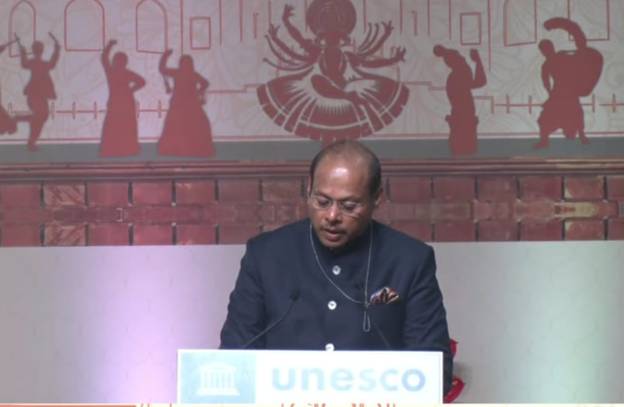
Delegates exchanged views on safeguarding strategies that respond to contemporary pressures such as urbanisation, climate change and conflict. Shri Aggarwal emphasised that intangible cultural heritage is a living resource that strengthens community bonds and resilience, noting that “in protecting culture, we protect humanity,” invoking the Sanskrit ethos: “संस्कृतेः रक्षणं, लोकस्य रक्षणम्”.
The committee discussed practical measures including enhanced documentation, community-led safeguarding plans, capacity building for practitioners, and cross-border collaborations for traditions that transcend national boundaries. Several Member States expressed interest in developing multinational nominations, a trend India welcomed as a pathway to shared stewardship.
India’s Role and Institutional Support
India’s hosting of the session showcased its institutional ecosystem for culture. Shri Aggarwal thanked UNESCO Director-General Dr. Khaled El-Enany, India’s Permanent Representative to UNESCO Shri Vishal V. Sharma, Committee Secretary Ms. Fumiko Ohinata, accredited NGOs, cultural practitioners and subject experts for their participation.
He also acknowledged the contribution of key Indian cultural institutions Sangeet Natak Akademi, Archaeological Survey of India, Indira Gandhi National Centre for the Arts (IGNCA), Sahitya Akademi, Lalit Kala Akademi, National School of Drama and Zonal Cultural Centres which supported planning and execution of the programme.
Transnational Cooperation and Future Priorities
The committee’s deliberations highlighted the cross-border nature of many living traditions and the need for collaborative nominations and joint safeguarding efforts. India reaffirmed its readiness to work with neighbouring countries and partner institutions to prepare transnational nominations and capacity-building projects.
Shri Aggarwal closed his address with a call for unity, citing the Atharva Veda: “समानि व: वृणुते हृदयानि” a plea for hearts to choose the path of unity. He urged Member States to sustain momentum in protecting intangible heritage, especially through participatory, community-focused approaches.
What the Listing Means for Deepavali
Inscription on the Representative List does not alter how communities practice Deepavali but strengthens international recognition and opens avenues for cooperative safeguarding. The UNESCO listing may also help secure resources for documentation, research and educational outreach that support continuity of rituals and local knowledge systems.