
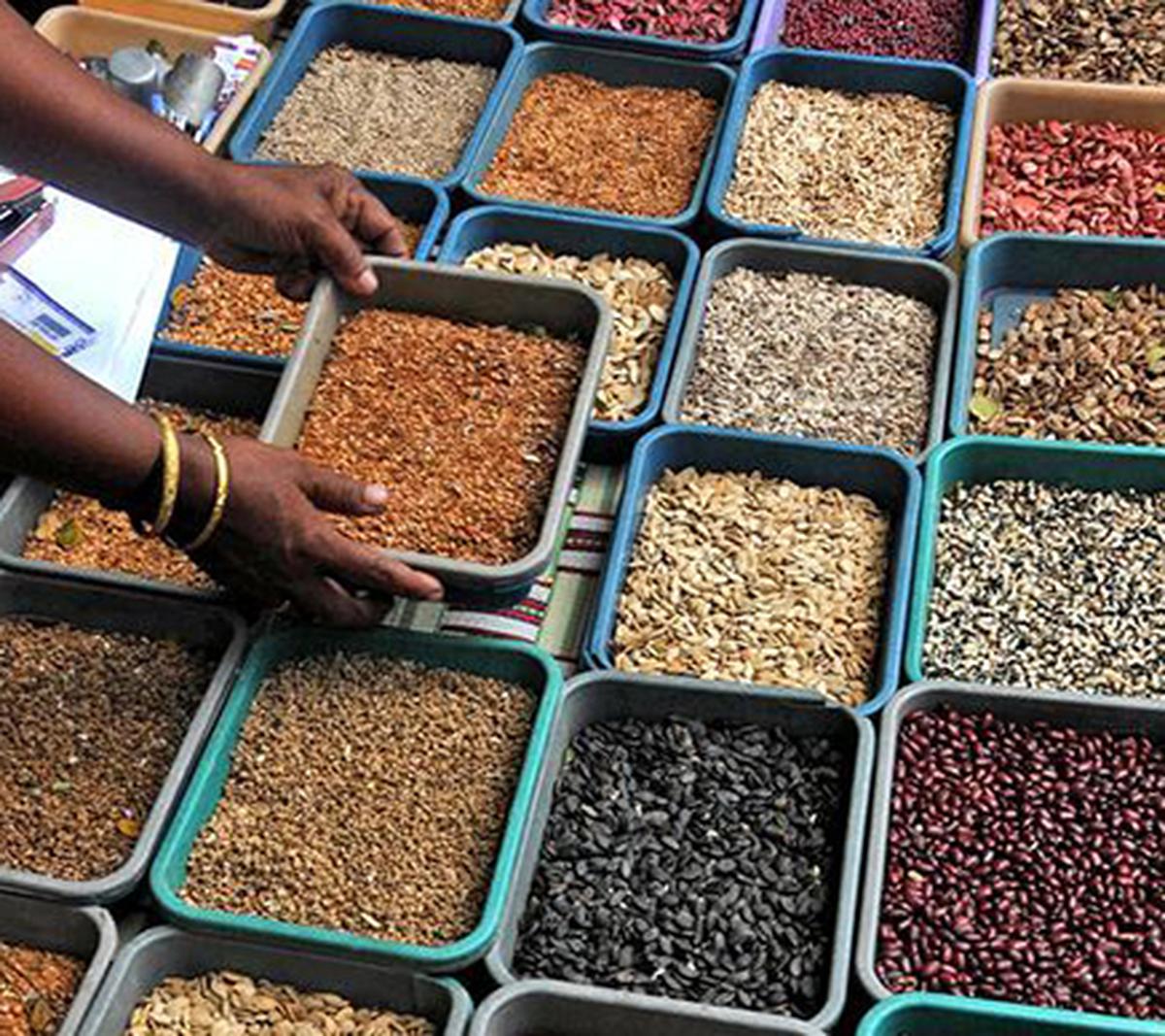


The Mission aims to increase pulses production from 242 lakh tonnes in 2024–25 to 350 lakh tonnes by 2030–31. Covering 416 districts, the program focuses on rice fallow areas, distribution of high-quality breeder, foundation, and certified seeds, intercropping, irrigation, market linkages, and technical support. Procurement of Tur, Urad, and Masoor will be guaranteed at 100% of MSP, ensuring farmers full returns.
With a dedicated budget of ₹11,440 crore for 2025–26, the Mission also emphasizes capacity building, sustainable practices, and modern agricultural technologies to raise productivity and enhance farmer welfare.
MSP Hikes: Ensuring Farmer Prosperity
MSP for rabi crops has been revised upwards, assuring up to 109% returns over production costs. Key MSP increases include safflower by ₹600/quintal, lentils by ₹300, rapeseed/mustard by ₹250, chana by ₹225, barley by ₹170, and wheat by ₹160. These hikes align with the Union Budget 2018–19 commitment to maintain MSPs at least 1.5 times the weighted average cost of production.
| Crop | MSP 2026–27 (₹/qtl) | Cost of Production (₹/qtl) | % Return | MSP 2025–26 (₹/qtl) | Increase (₹) |
|---|---|---|---|---|---|
| Wheat | 2585 | 1239 | 109 | 2425 | 160 |
| Barley | 2150 | 1361 | 58 | 1980 | 170 |
| Gram (Chana) | 5875 | 3699 | 59 | 5650 | 225 |
| Lentils (Masur) | 7000 | 3705 | 89 | 6700 | 300 |
| Rapeseed/Mustard | 6200 | 3210 | 93 | 5950 | 250 |
| Safflower | 6540 | 4360 | 50 | 5940 | 600 |
Government Commitment to Farmers
Shri Chouhan highlighted that MSPs have more than doubled since 2014–15 under the Modi government. Wheat MSP rose from ₹1,400 to ₹2,585 per quintal, barley from ₹1,100 to ₹2,150, gram from ₹3,100 to ₹5,875, lentils from ₹2,950 to ₹7,000, rapeseed/mustard from ₹3,050 to ₹6,200, and safflower from ₹3,000 to ₹6,540. The government’s focus remains on enhancing farmer incomes, dignity, and national food security.
Strategic Impact
The combined approach of boosting pulses production and revising MSPs ensures self-sufficiency, improved nutrition, and greater profitability for farmers. These measures are expected to reduce import dependency, strengthen food security, and promote sustainable agriculture nationwide.