
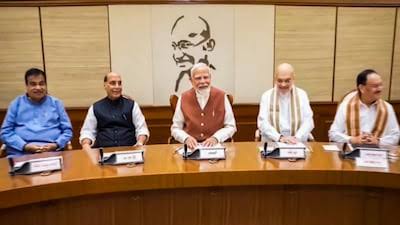
In what is expected to be a significant meeting, the Union Cabinet is likely to convene on April 9, according to government officials. The gathering follows an important decision taken on April 5, when the Cabinet gave its nod to the second phase of the Vibrant Villages Programme (VVP-II), a move that underlines the government’s continuing dedication to uplifting life in India’s remote border areas.

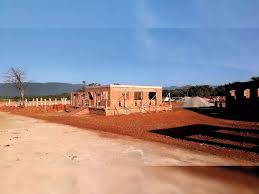
With an outlay of ₹6,839 crore, Vibrant Villages Programme-II will be rolled out across several strategically important states and union territories, including Arunachal Pradesh, Assam, Bihar, Gujarat, Jammu & Kashmir, Ladakh, Manipur, Meghalaya, Mizoram, Nagaland, Punjab, Rajasthan, Sikkim, Tripura, Uttarakhand, Uttar Pradesh, and West Bengal. The programme is set to run until 2028-29, bringing development directly to communities that have often lived under the shadow of geographical isolation and security concerns.
The overarching goal of the programme is to transform the lives of border residents through better infrastructure, education, and economic opportunities. These efforts are expected to help curb trans-border crime, promote national integration, and strengthen security by fostering a sense of belonging and vigilance among the population—serving as the “eyes and ears” of border forces.
Under VVP-II, targeted funds will be allocated for developing local infrastructure, supporting livelihood initiatives through cooperatives and self-help groups, improving access to quality education via SMART classrooms, and nurturing tourism and cultural preservation. Each intervention will be tailored to the unique needs of individual villages, informed by Village Action Plans created in consultation with local communities and stakeholders.
The government also intends to boost vibrancy in these villages by organizing cultural events, fairs, awareness campaigns, and official visits by ministers and senior officers. These engagements not only foster connectivity between the government and citizens but also highlight the rich heritage and resilience of India’s border communities.
Technology will play a key role in implementing the programme, with platforms like PM Gati Shakti ensuring efficient coordination and tracking of progress.
As the Union Cabinet prepares for its upcoming meeting, there is a sense of optimism surrounding the government’s continued commitment to inclusive growth. For the people living on the country’s frontiers, this initiative is more than a policy—it’s a promise of recognition, development, and hope.