
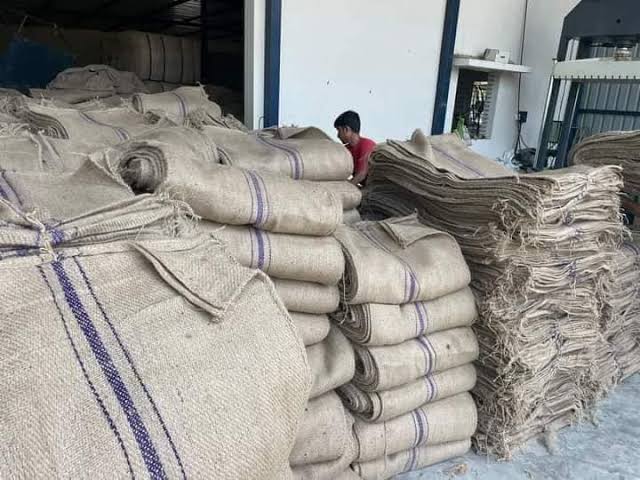

To ensure smooth operations for mills and MSMEs, the government decided to increase the stock limits for raw jute for jute mills while reducing permissible stock limits for traders and balers. These measures aim to improve accessibility for industries and protect the interests of farmers and jute workers. An official notification regarding these changes will be issued shortly.
In addition, Minister Singh directed the intensification of the ongoing dehoarding drive by the Jute Commissioner to detect and act against hoarding beyond permitted limits, ensuring fair distribution and market stability.
Support for Industry & Farmers
To help jute mills manage rising raw jute costs, the government has progressively increased the purchase price of B. Twill jute bags. Prices were raised from ₹58–60 per bag in September 2024, to ₹74 per bag in September 2025, and further to ₹87.20 per bag in January 2026. This step underscores the government’s commitment to supporting both farmers and industry.
Additionally, the quantity of subsidised certified jute seeds under the Jute ICARE Scheme will be increased to improve productivity, quality, and availability of raw jute, while boosting farmers’ incomes.
Strengthening Infrastructure & MSP Operations
The government continues to support the Jute Corporation of India Limited (JCI) to ensure effective implementation of Minimum Support Price (MSP) operations. JCI procures raw jute whenever market prices fall below the MSP, safeguarding farmers’ incomes.
JCI has demonstrated consistent performance, recording a Profit After Tax (PAT) of ₹46.12 crore in 2023–24 with a dividend of ₹13.83 crore. In FY 2024–25, PAT rose to ₹56.82 crore, paying an all-time high dividend of ₹17.04 crore to the Government of India.
Commitment to Jute Sector Development
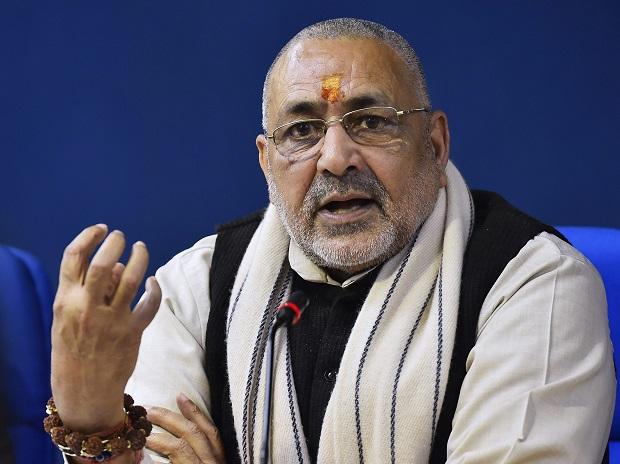
Union Minister Giriraj Singh emphasised the government’s focus on building a sustainable, inclusive jute ecosystem. “Our priority is to ensure adequate raw material supply, protect farmers’ livelihoods, and strengthen the jute industry while promoting MSMEs,” he stated.
These measures are expected to bolster the jute sector in West Bengal home to nearly 80% of India’s jute farmers and enhance the long-term competitiveness of Indian jute in both domestic and international markets.