

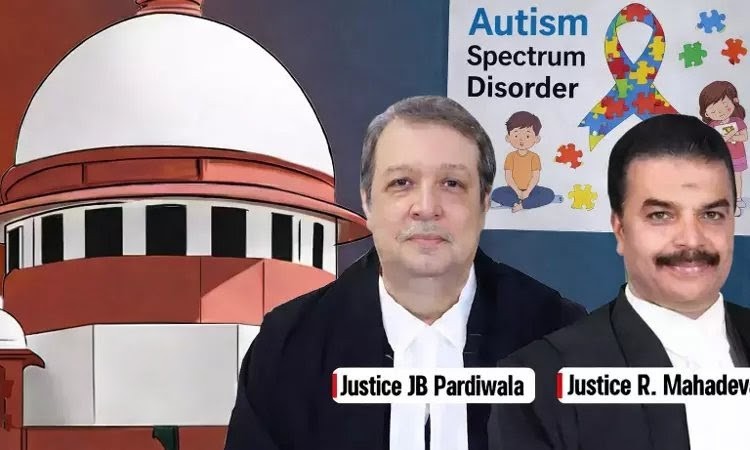

The Court noted that stem cell therapy for ASD has not received sufficient scientific validation to qualify as an accepted medical treatment. It observed that no credible evidence exists to establish its safety, efficacy, or long-term impact on individuals with autism.
Medical practitioners and clinics offering stem cell therapy for autism outside regulated clinical trials were strongly criticised. The Bench held that such practices mislead vulnerable patients and families, raising false hopes and exposing them to unknown risks.
Patient Autonomy Has Limits, Says Court
One of the key issues before the Court was whether patient autonomy allows individuals to choose and consent to unproven treatments. Addressing this, the Bench clarified that personal consent does not create an enforceable right to demand any treatment of choice.
The Court held that autonomy in medical decision-making is meaningful only when consent is informed, voluntary, and based on adequate and accurate information. In the absence of reliable data, patient choice loses its legal and ethical validity.
Consent Must Be Based on ‘Adequate Information’
The judgment relied heavily on the Supreme Court’s earlier ruling in Samira Kohli v. Dr. Prabha Manchandra (2008), which laid down that valid medical consent must be rooted in “adequate information.” This includes disclosure of the nature and purpose of treatment, available alternatives, possible risks, and consequences of refusal.
Applying this principle, the Bench held that stem cell therapy for autism fails to meet the threshold of adequate information. Patients, the Court noted, may fall prey to therapeutic misconception, wrongly believing that an experimental procedure offers benefits comparable to established medical care.
Unethical and a Violation of Medical Ethics
The Supreme Court observed that proceeding with unproven treatment despite the absence of scientific consensus constitutes a gross violation of medical ethics. Even voluntary participation by patients cannot cure the ethical defect when consent itself is based on incomplete or misleading information.
The Court emphasised that doctors and clinics have a heightened duty of care, especially when dealing with neurodevelopmental disorders such as autism, where families are often desperate for solutions.
Clinical Trials Remain Open Option
While rejecting the demand for stem cell therapy as a right, the Court clarified that patients are not barred from participating in properly approved and regulated clinical trials. Such trials must comply with ethical guidelines, regulatory oversight, and scientific protocols.
This distinction, the Bench said, preserves the balance between medical innovation and patient safety, ensuring that experimental treatments are tested responsibly.