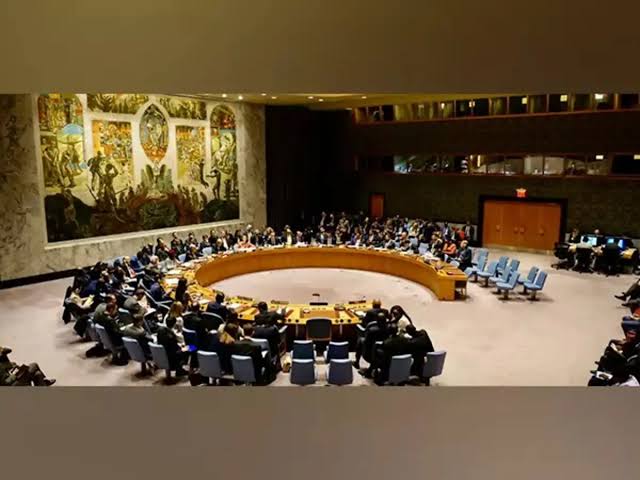
The United Nations Security Council (UNSC) has condemned the horrific terror attack in Pahalgam that claimed the lives of 26 civilians. However, reports suggest that the wording of the UNSC statement was diluted after Pakistan, with the help of China, influenced changes during the drafting process. Pakistan, currently a non-permanent member of the UNSC, co-signed the final statement, but behind the scenes, worked to ensure that the language was less supportive of India’s position.
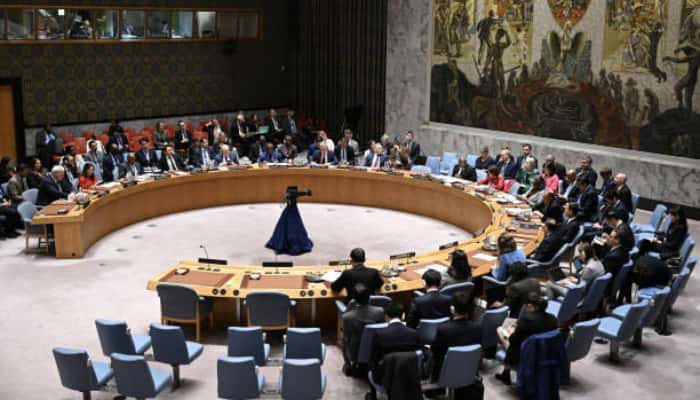
According to a report by The Times of India, the UNSC’s statement after the Pahalgam attack was notably weaker compared to the strong wording used after the Pulwama terror attack in 2019. Then, the Council had clearly called on all states to cooperate directly with the Government of India. In contrast, this time, the statement referred vaguely to working with “all relevant authorities,” a shift that many believe diminishes the emphasis on India’s role and rights in leading the investigation.
Pakistan’s own reaction to the Pahalgam tragedy further reflects its stance. Islamabad merely expressed “concern” over the attack, carefully avoiding a clear condemnation of the act of terror. The loss of innocent lives in Kashmir has sent shockwaves across the region, yet Pakistan’s muted response and its behind-the-scenes efforts at the UN raise troubling questions about its commitment to justice.
Sources indicate that Pakistan’s intention in softening the language was to avoid giving India greater leverage during the international investigation. At a time when Pakistan’s Prime Minister Shehbaz Sharif is calling for a “neutral and transparent” probe, Islamabad’s moves at the UN appear aimed at limiting India’s role, rather than strengthening a collective effort against terrorism.
It is also significant that the statement was originally proposed by the United States and underwent intense negotiations before a consensus was reached among UNSC members. Observers note that while India has been cautiously working to repair relations with China, Beijing’s quiet but firm support for Pakistan in this sensitive matter is likely to deepen New Delhi’s concerns.
The contrast is stark when compared to past incidents like the Pulwama attack in India and the Jaffar Express train hijacking in Pakistan. In both cases, the UNSC had explicitly asked international actors to work with the concerned governments. The shift in tone following the Pahalgam attack is seen not just as a diplomatic maneuver but as a move that could impact how justice is served for the victims and their families.
As India mourns the tragic loss of lives in Pahalgam, the developments at the United Nations serve as a somber reminder of the complexities and challenges that persist even when the world unites against terrorism.