
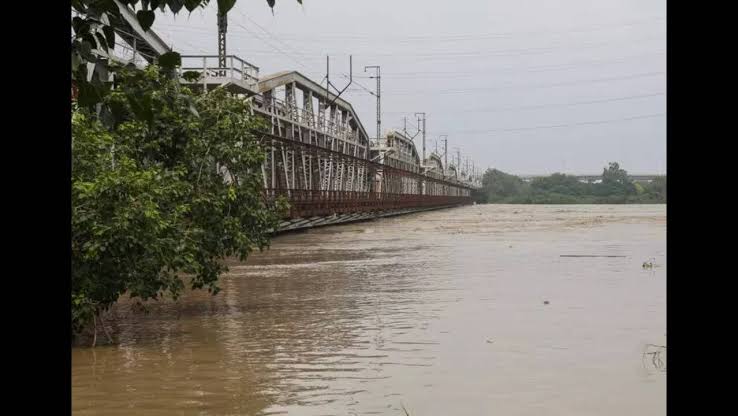
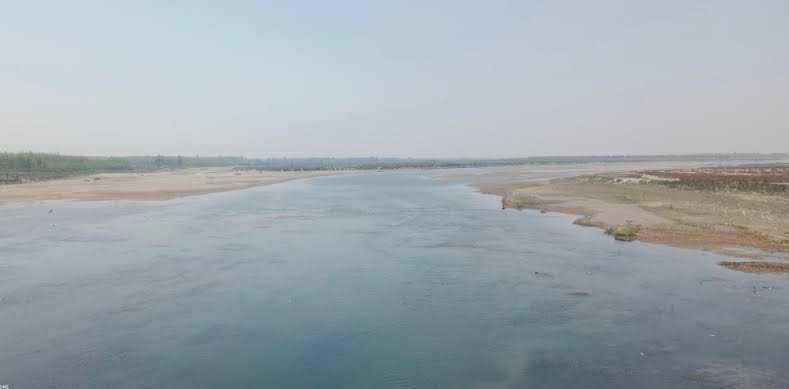

A major segment of the discussion centred on the implementation of three crucial storage projects in the Yamuna basin. These projects are expected to improve water availability during lean seasons, enhance basin resilience, and reduce dependency on unpredictable monsoon patterns. The Committee acknowledged that timely completion of these projects is essential to address rising demand and climate-related stresses.
The transfer of Rajasthan’s allocated share of Yamuna water was another pressing agenda item. The Committee expressed satisfaction at the ongoing cooperation between Haryana and Rajasthan to expedite this long-pending supply arrangement. Officials noted that once operational, the arrangement will provide critical relief to water-scarce regions of western Rajasthan.
Ensuring E-Flow in the Yamuna River
The Committee devoted considerable attention to ensuring the maintenance of ecological flow (e-flow) in the Yamuna, a long-standing environmental and hydrological concern. Union Minister Patil stressed that rejuvenation of the Yamuna cannot be achieved without consistent flow, which depends on responsible consumption patterns across states.
He urged all basin states to adopt water-efficient technologies, minimise wastage, and reserve adequate water to support the river’s natural flow. According to the Minister, improving e-flow will contribute significantly to reducing pollution levels and restoring the ecological health of the river system, especially across heavily urbanised stretches.
Strengthening Inter-State Collaboration
The UYRC emphasised that the cooperative spirit among basin states is essential for effective water governance. Given that the Yamuna flows across multiple administrative boundaries, each state’s decisions directly impact the others. The Committee reiterated that water resources must be viewed as a shared responsibility rather than a localised issue.
Minister Patil encouraged states to take a positive and proactive approach while evaluating proposals related to resource sharing, infrastructure development, and maintenance of hydrological assets. He highlighted that successful implementation of projects will not only enhance water security but also contribute to national environmental commitments.
Future Outlook and Action Points
The meeting concluded with key directions for state governments and technical agencies. States were asked to accelerate ongoing project work, strengthen data-sharing mechanisms, and promote water conservation initiatives at the community level. The inclusion of the National Mission for Clean Ganga (NMCG) as a member of the Upper Yamuna River Board was also discussed as a potential step to enhance river rejuvenation efforts.
Officials agreed that the coming months should focus on improving basin-wide monitoring, enhancing accountability, and ensuring that sanctioned projects move from planning to active execution. The UYRC is expected to meet again next year to review progress and address emerging challenges.