

In a world rapidly shaped by scientific breakthroughs and socio-political changes, the relevance of current events to the UPSC Civil Services Examination cannot be overstated. The Indian Express UPSC Key for May 18, 2025, sheds light on some of the most important topics aspirants should pay attention to—ranging from ISRO’s latest space mission to the steady decline in Left Wing Extremism (LWE) violence. Each of these developments carries not just academic weight but also emotional and societal significance.
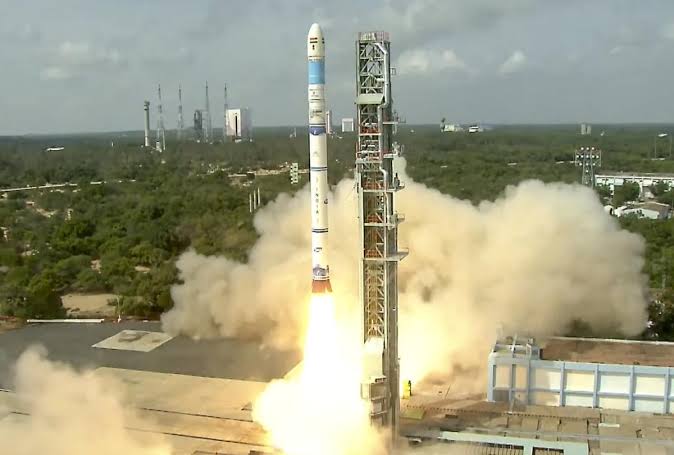

India’s space journey scaled a new height recently with the launch of EOS-09 aboard PSLV-C61 from Sriharikota. The mission, which forms a crucial part of ISRO’s Earth Observation Satellite series, is a testament to India’s growing self-reliance in space technology. It also presents a tangible example of the country’s scientific prowess, something that has always inspired pride among citizens. For aspirants, understanding the technical and strategic significance of such missions is essential—not only for prelims but also for framing thoughtful answers in the mains exam.
Another key focus in the latest UPSC Key is the issue of rare-earth magnets. These are not just abstract scientific components but vital elements in a range of technologies—from smartphones to defense systems. India’s efforts to secure a stable supply of these rare-earth elements highlight both economic ambition and national security awareness. Aspirants are expected to grasp the geopolitics surrounding this topic, especially as the world grapples with the supply chain disruptions caused by global conflicts and rivalries.
On a more human and empathetic note, the significant drop in violence related to Left Wing Extremism is a hopeful sign for large parts of rural and tribal India. For decades, these areas were plagued by fear and instability, with innocent lives caught in the crossfire of ideology and law enforcement. The government’s multi-pronged approach—combining development, security, and social outreach—has finally started bearing fruit. For future civil servants, it is vital to understand the emotional weight behind such statistics: every reduction in violence means families feel safer, children can go to school, and communities can dream again. It is a reminder that governance is not just about policy but also about compassion and presence on the ground.
Topics such as the Indus Water Treaty and the Amrit Bharat Station Scheme also find a place in the UPSC Key. These are not just bureaucratic subjects but touch upon larger narratives of water diplomacy, sustainable development, and inclusive infrastructure. Whether it is addressing Pakistan’s objections to India’s water usage under the treaty or modernizing railway stations to better serve the underprivileged, these initiatives reflect the ongoing push for equity and modernization.
For serious UPSC aspirants, the message is clear: preparation must go beyond rote learning. It requires an understanding of the interconnectedness of policy, science, and society. And in that understanding, one must not forget the human stories behind each headline—stories of progress, struggle, innovation, and hope.