
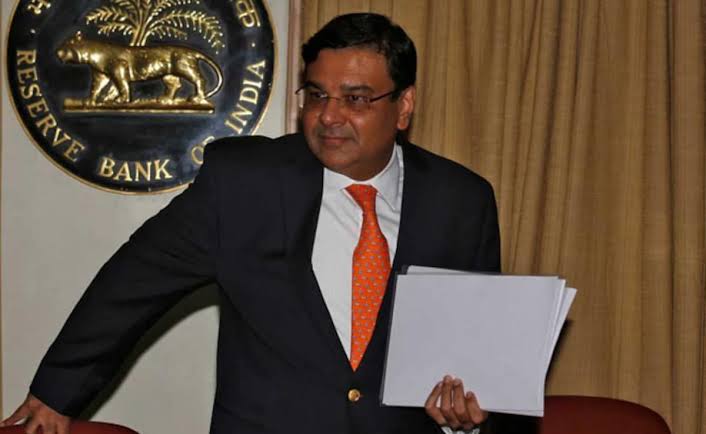
A turbulent tenure at the RBI
Patel’s career at the RBI was defined by both his intellectual rigor and his silence. He became the 24th Governor of the central bank in 2016 and quickly found himself at the center of one of the most controversial economic measures in independent India: demonetisation. As the face of the RBI during that storm, Patel defended the bank’s credibility but also struggled under political and public scrutiny.
The breaking point came in December 2018, when Patel resigned midway through his term. Officially citing “personal reasons,” his departure was widely interpreted as a protest against growing government interference in the RBI’s autonomy. The rift highlighted fundamental differences over lending rules for banks, reserves management, and institutional independence.
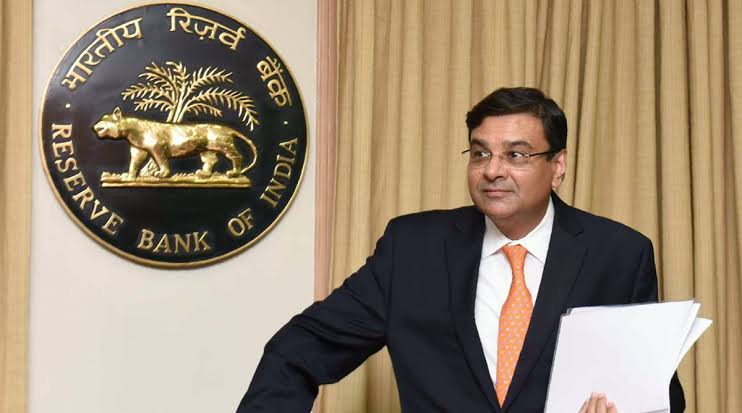

The latest appointment signals a striking turnaround. The same administration that once sparred with Patel has chosen him to represent India at the IMF — one of the most important platforms shaping global economic policy. Analysts suggest the decision reflects a recognition of Patel’s credibility in international circles and his deep expertise in monetary policy and fiscal management.
By selecting Patel, the government may also be seeking to send a message: that India values institutional integrity and intellectual independence at a time when global financial systems are under stress from geopolitical tensions and shifting capital flows.
Patel’s global credentials
Beyond his RBI role, Patel has had a long career as an economist with international exposure. Educated at Oxford and Yale, he previously worked with the IMF and the Brookings Institution. His technical knowledge of monetary systems and fiscal structures has earned him respect in financial policy circles worldwide.
His writings, especially on inflation targeting and central bank independence, remain influential. Even after stepping away from the public eye post-2018, Patel continued contributing to academic and policy debates, further cementing his standing as a thought leader.
Implications for India at the IMF
India’s representation at the IMF comes at a time when global economic stability faces multiple challenges. From the US–China trade rivalry to the lingering aftershocks of the pandemic, developing economies are grappling with debt stress and slowing growth. Patel’s expertise in navigating crises may prove valuable as India asserts its voice on issues like debt restructuring, global financial safety nets, and climate-linked financing.
Moreover, his presence at the IMF could enhance India’s credibility in advocating for reforms in global financial governance, particularly the push for greater voting rights for emerging economies. Patel’s reputation for discipline and independence is expected to help India make a stronger case in these negotiations.
A paradoxical journey
Patel’s trajectory highlights the paradoxes of India’s economic policymaking. Once seen as an outsider who refused to bend under political pressure, he has now been brought back by the same establishment that clashed with him. The move underscores a larger truth: in the complex world of economic diplomacy, credibility often outweighs past disagreements.
As Patel steps into his IMF role, questions remain about how his presence will shape India’s global financial strategy. What is clear, however, is that his comeback marks a significant chapter in the evolving relationship between politics and economics in India.