
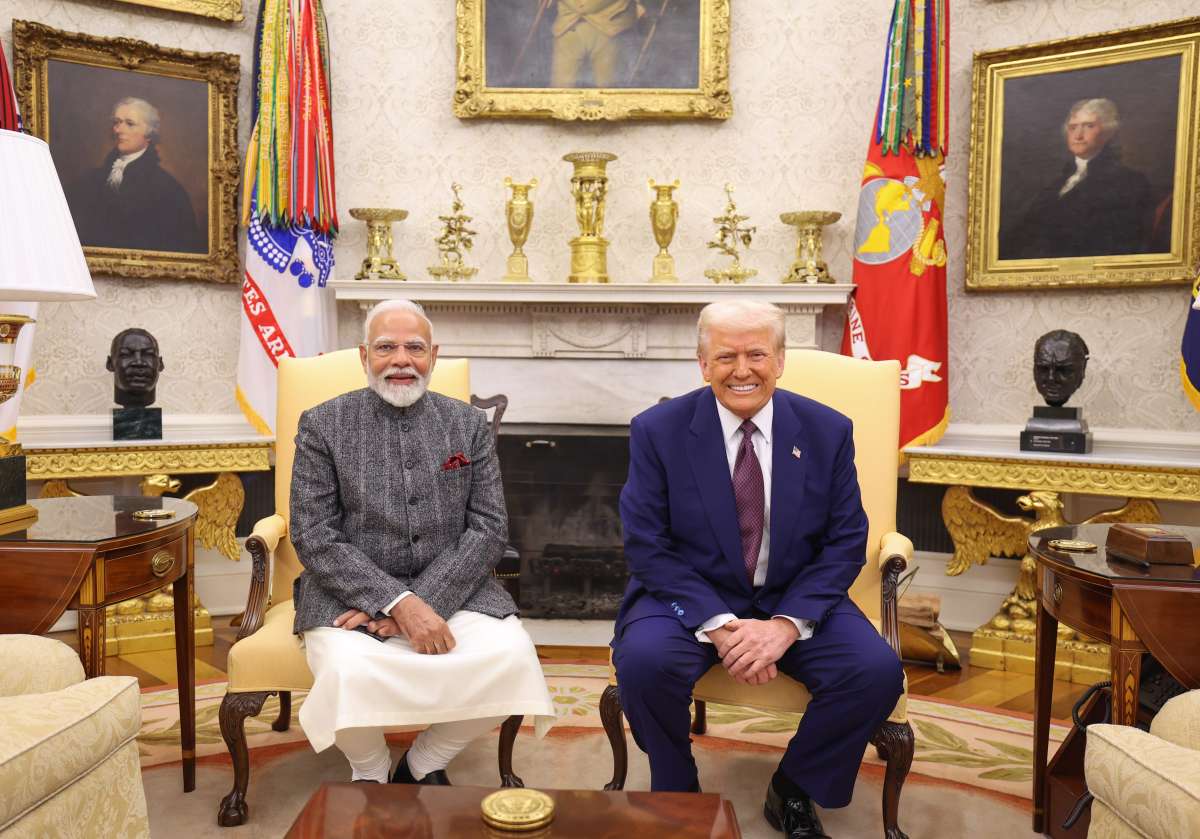

The discussions between the two leaders spanned key sectors, including defence cooperation, trade, technology, and critical minerals — all central pillars of the India–US strategic partnership. PM Modi expressed optimism that Ambassador Gor’s tenure would help elevate bilateral cooperation to new heights, reinforcing shared democratic values and mutual global interests.
The meeting comes at a crucial juncture as both nations navigate trade adjustments following Washington’s recent decision to impose 50% tariffs on select Indian exports. Despite economic tensions, both sides reiterated their commitment to dialogue and maintaining the momentum of cooperation in emerging technologies and clean energy transitions.
Donald Trump’s Personal Message for PM Modi
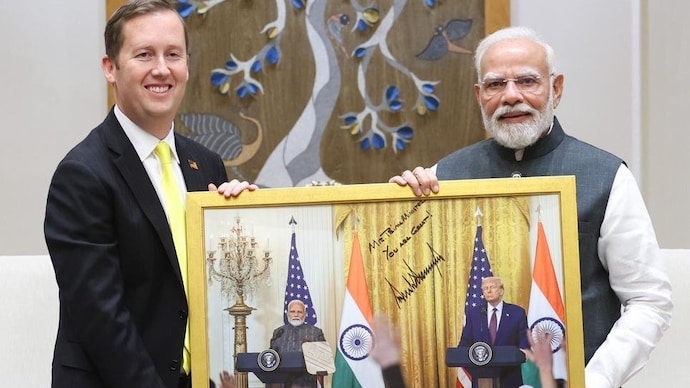
The signed photograph, reportedly taken during one of PM Modi’s previous visits to the White House, included Trump’s handwritten note describing Modi as a “great and personal friend.” This gesture, though symbolic, underscores the continuity of personal diplomacy that has long defined the relationship between the two leaders and their administrations.
According to diplomatic observers, such exchanges serve as powerful reminders of the respect India commands in global politics and how its leadership continues to shape dialogue across continents.
Focus on Defence, Trade, and Emerging Technologies
Ambassador Gor and PM Modi reviewed progress in the Defence Technology and Trade Initiative (DTTI), an ongoing framework promoting joint research, manufacturing, and supply-chain diversification between the two countries. Discussions also touched on semiconductor development, critical minerals cooperation, and efforts to boost resilient global supply chains.
Both sides reportedly emphasized the importance of aligning strategic objectives under the Make in India and Indo-Pacific Economic Framework to safeguard regional stability and sustainable growth.
Trade Tensions and Diplomatic Balancing
The meeting followed the U.S. announcement of steep tariff hikes on Indian exports such as steel, textiles, and IT products. New Delhi, in its official response, maintained that India’s economic rise and manufacturing expansion remain consistent with WTO rules and global market principles. Sources indicate that both leaders stressed the importance of resolving such trade frictions through “constructive engagement rather than confrontation.”
Analysts believe that Gor’s visit marks an attempt to recalibrate the diplomatic tone and ensure that economic disagreements do not overshadow the long-term partnership between the two democracies.
India’s Global Standing Strengthened
PM Modi reaffirmed India’s commitment to deepening cooperation in areas such as AI innovation, renewable energy, and critical mineral security. He also reiterated India’s dedication to peace, prosperity, and a rules-based international order — a message that resonates strongly with global partners amid rising geopolitical uncertainties.
As global observers note, despite occasional friction, the India–US relationship continues to serve as a cornerstone of the evolving multipolar world order — built not merely on trade, but on trust, technology, and shared democratic spirit.
With Ambassador Gor’s arrival in New Delhi, both capitals appear poised to script a new chapter of engagement — one rooted in realism, respect, and renewed resolve to strengthen global stability.