
Tariffs on Indian Goods
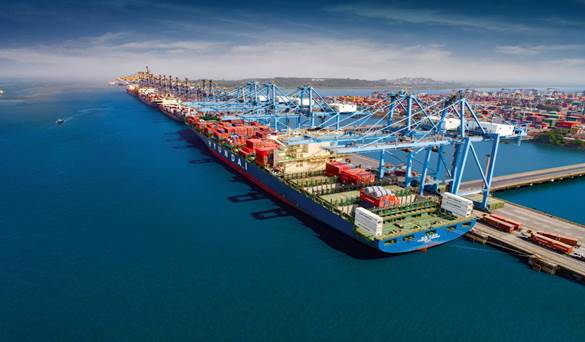
Earlier this month, U.S. President Donald Trump imposed an additional 25% tariff on Indian exports. The move, justified by Washington as a response to India’s continued imports of Russian oil, has pushed trade relations to their lowest point in years. With these new duties, some Indian goods will now face total tariffs as high as 50%, among the steepest imposed on any U.S. trading partner.
The new tariffs will directly impact sectors like textiles, engineering goods, and agriculture exports, which depend heavily on the U.S. market. Exporters fear the sharp rise in duties could erode competitiveness and hurt jobs across India’s manufacturing hubs.
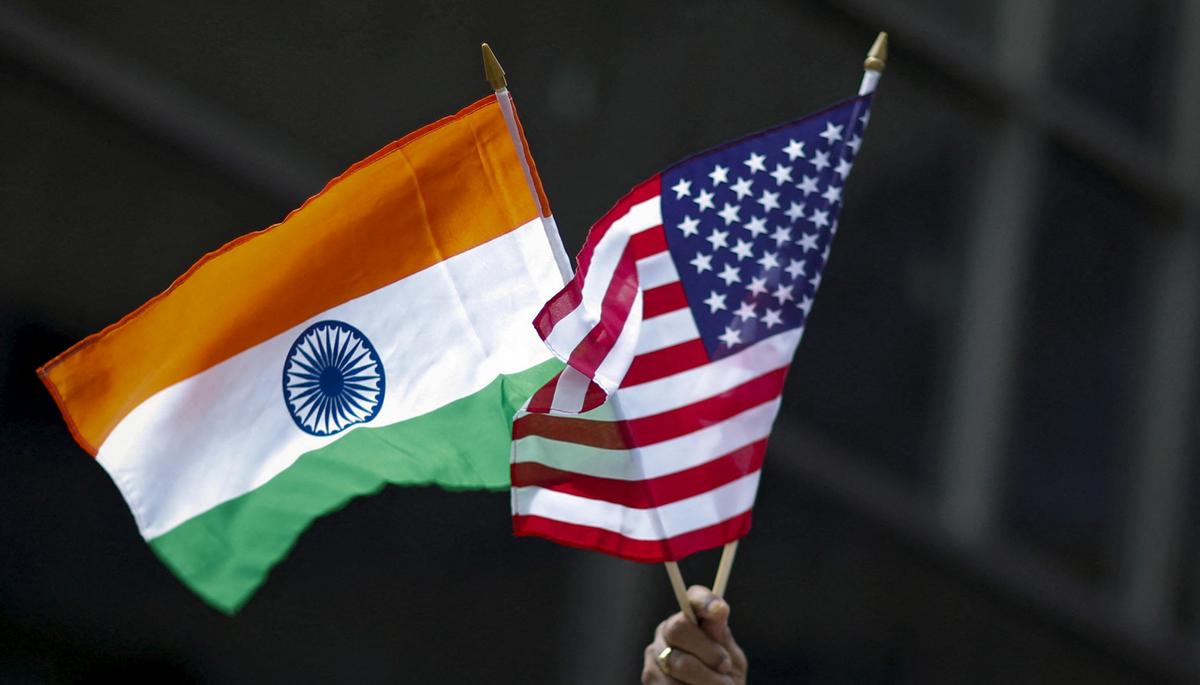

Trade negotiations between Washington and New Delhi had already collapsed after five rounds of discussions. At the core of the dispute were two issues: America’s demand that India open its farm and dairy markets, and Washington’s pressure on India to halt Russian oil imports. India has consistently resisted both demands.
The Ministry of External Affairs has argued that India is being unfairly singled out. Officials point out that while India’s purchase of Russian crude has attracted criticism, Western nations including the European Union continue trading with Russia in other sectors. “India’s energy security needs cannot be compromised,” one senior diplomat noted earlier this month.
Wider Impact on Bilateral Relations
Experts warn that the failure of talks could stall the momentum built in recent years around closer U.S.-India cooperation. Both nations have been strategic partners in defense, technology, and regional security. Yet trade remains a persistent source of friction.
For Indian businesses, the setback comes at a sensitive time. The country has been striving to expand its export base under initiatives like Make in India. Meanwhile, the U.S. is also looking to diversify supply chains away from China, a process in which India was expected to play a bigger role.
“This development is unfortunate,” said a former trade negotiator. “Both sides stood to gain from deeper trade engagement, but political considerations are once again driving a wedge.”
Next Steps and Uncertainty
The U.S. embassy in New Delhi declined to provide details on when talks might resume. India’s Ministry of Commerce has also remained silent on the cancellation. Until a new date is fixed, Indian exporters must prepare for the looming tariff hike that begins August 27.
Analysts believe that domestic politics in both countries, combined with global oil dynamics, will determine when and how talks can restart. For now, businesses on both sides of the ocean remain in limbo, waiting for clarity.