

Iranian Foreign Minister Abbas Araghchi announced that the discussions would take place in Muscat, thanking Oman for facilitating the arrangements. Omani diplomacy has historically provided neutral ground for sensitive US–Iran engagements, including earlier backchannel negotiations that led to the 2015 nuclear deal.
White House officials also confirmed the venue, despite earlier indications that Turkey was being considered. The decision to meet in Oman is seen as a pragmatic compromise, aimed at keeping the dialogue alive amid widening differences.
Sharp Differences Over the Agenda
Despite agreement on the location, Washington and Tehran remain far apart on what should be discussed. Iran has made it clear that it wants the talks to focus strictly on its nuclear programme and related sanctions, an issue it considers central to any future understanding.
The US, however, is pushing for a broader framework. Secretary of State Marco Rubio stated that any meaningful talks would also need to address Iran’s ballistic missile programme, its support for armed groups across the Middle East, and its human rights record.
Senior Iranian officials have rejected this approach, describing the missile programme as “off the table” and warning that expanding the agenda beyond nuclear issues could jeopardise the dialogue altogether.
Trump Increases Pressure on Tehran
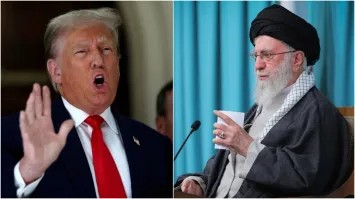
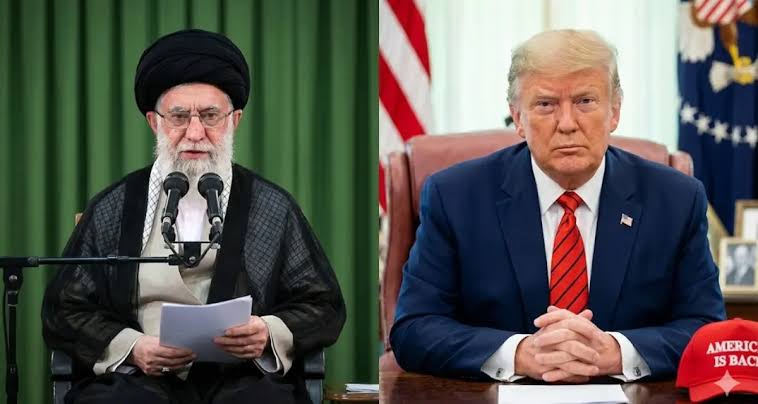
The diplomatic uncertainty has been matched by escalating rhetoric from US President Donald Trump. In a recent media interview, Trump warned Iran’s Supreme Leader Ayatollah Ali Khamenei that he should be “very worried,” signalling that military options remain firmly in play.
Trump claimed that Iran had been planning a new nuclear facility following US strikes on Iranian nuclear sites during Israel’s conflict with Tehran last year. According to the US president, Washington had warned Iran against moving forward with such plans.
In recent weeks, the US has significantly bolstered its military presence in the region, including the deployment of aircraft carriers and naval assets to the Gulf and the Indian Ocean. While US officials describe this as deterrence, Iran has viewed it as intimidation.
Regional and Global Stakes
The outcome of the Muscat talks carries implications far beyond bilateral US–Iran relations. The Middle East is already grappling with multiple flashpoints, and any miscalculation could have ripple effects across global energy markets and security alliances.
For countries like India, stability in the Gulf remains critical due to energy security, trade routes, and the large Indian diaspora in the region. New Delhi has consistently supported dialogue and diplomacy in West Asia, while maintaining balanced relations with both Washington and Tehran.
India’s official position on regional peace and nuclear non-proliferation is outlined by the Ministry of External Affairs, which emphasises dialogue over confrontation.
Uncertain Road Ahead
While the confirmation of talks has prevented an immediate diplomatic collapse, expectations remain limited. Analysts believe the Muscat meeting is more likely to test intentions than deliver concrete breakthroughs.
If the talks fail to bridge the gap over the agenda, the risk of renewed escalation cannot be ruled out. Conversely, even a modest agreement on process or confidence-building measures could help stabilise an increasingly volatile situation.
As the delegations prepare to meet in Oman, the world will be watching closely to see whether diplomacy can still find space amid pressure, posturing, and profound mistrust.