
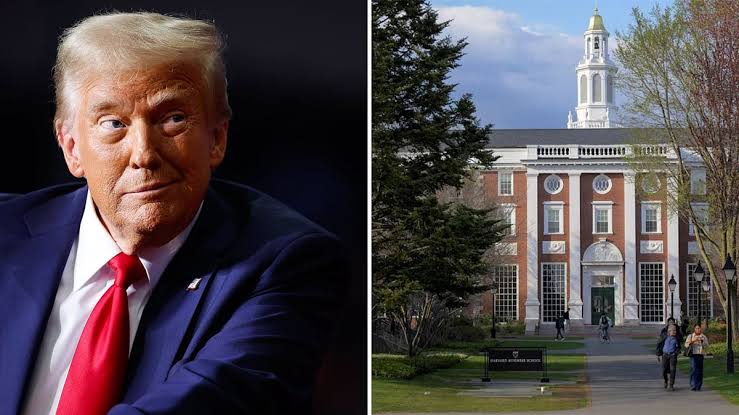
In a significant development that has brought relief to many international students and academic institutions, a U.S. federal judge has temporarily blocked the Trump administration’s decision to prevent Harvard University from enrolling foreign students. The ruling came swiftly after Harvard filed an emergency lawsuit in the U.S. District Court in Massachusetts earlier on Friday.
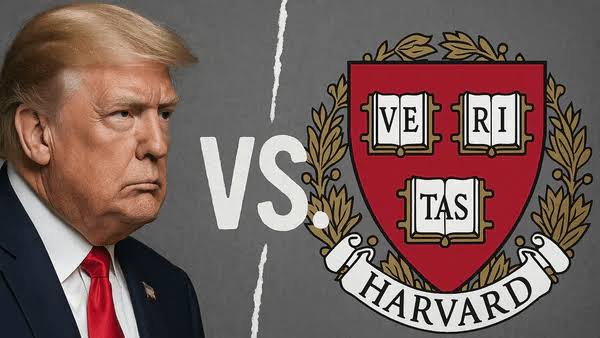

The court’s decision halts the government’s attempt to revoke Harvard’s certification under the Student and Exchange Visitor Program (SEVP), a move that would have stripped the university of its ability to host international students studying in the United States on student visas. This program has long enabled talented students from across the globe to pursue higher education at some of the world’s leading institutions, including Harvard.
The legal intervention reflects a broader concern within the academic community about policies that could upend the lives of thousands of students who come to the U.S. seeking education and opportunity. Many see the administration’s attempt as a direct blow to academic freedom and the rich cultural diversity that foreign students bring to American campuses.
Harvard, often viewed as a symbol of academic excellence, has been a target of several such policy challenges in recent years. University officials, educators, and student advocacy groups have expressed deep concern over the growing uncertainty faced by international students who already contend with high tuition fees, visa limitations, and cultural adjustments.
This judicial decision is being seen not just as a legal win, but also as a reaffirmation of the values of inclusion and opportunity that American education has traditionally stood for. While the ruling is temporary, it offers hope and reassurance to students and institutions alike as they await a more permanent resolution.
For now, international students planning to study at Harvard can breathe a sigh of relief, knowing that the court has intervened in their favor during a time of deep anxiety and disruption.