
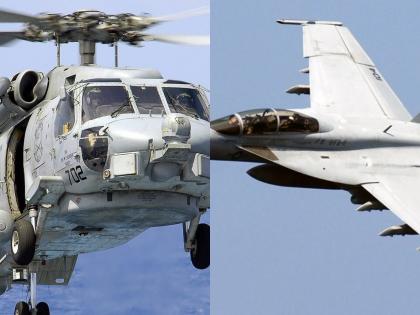
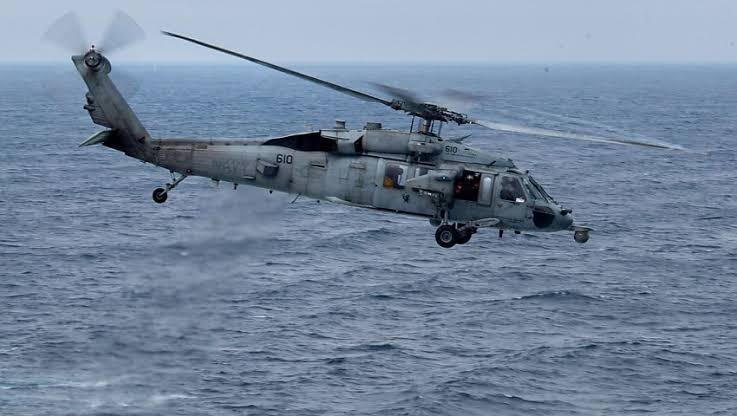

The first incident involved an MH-60R Seahawk helicopter, part of the “Battle Cats” squadron, which went down around 2:45 p.m. local time during routine operations from the Nimitz. All three crew members were rescued by search-and-rescue teams deployed from the carrier strike group.
Just about 30 minutes later, at approximately 3:15 p.m., an F/A-18F Super Hornet fighter jet assigned to Strike Fighter Squadron 22 (“Fighting Redcocks”) crashed into the sea. Both aviators had successfully ejected and were retrieved safely.
In a statement, the U.S. Pacific Fleet said: “All personnel involved are safe and in stable condition. The cause of both incidents is currently under investigation.”
Where and why?
Both aircraft operated off the USS Nimitz, one of the U.S. Navy’s oldest aircraft carriers now nearing decommissioning. The incidents occurred in the South China Sea, a highly contested region where the United States and China vie for naval dominance.
The timing underscores sensitivity: the crashes coincided with U.S. President Donald Trump’s Asia visit, and China’s foreign ministry promptly offered humanitarian aid to the U.S. following the accidents.
While the Navy has refrained from linking the mishaps to hostile action, President Trump indicated a potential “bad fuel” issue and ruled out foul play, signalling early conclusions even as official investigations continue.
What does it mean?
The crash sequence raises strategic questions. The South China Sea remains a flashpoint between Beijing’s expansive maritime claims and Washington’s freedom-of-navigation operations. That both aircraft were lost so closely together invites scrutiny of operational risk, maintenance regimes, and regional threat assessments.
Moreover, earlier this year the Navy’s carrier groups have faced multiple mishaps including jets overboard and friendly-fire incidents in other theatres highlighting potential systemic issues in carrier aviation.
Next steps in investigation
The Navy’s investigation will focus on multiple possible factors: mechanical failure, fuel contamination, pilot error, carrier deck operations, and mission environment. The near-simultaneity of the crashes suggests a coordinated inquiry into whether shared root causes exist.
As of now, the crew’s safe recovery has allowed full attention to turn to aircraft wreckage, telemetry data and situational review. Until conclusions are released, the Navy’s operations in the region may face tighter oversight and risk mitigation.