 Focus on Strengthening Strategic Partnership
According to the US Embassy, Hooker will meet senior Indian officials, including Foreign Secretary Vikram Misri, during her stops in New Delhi and Bengaluru. The discussions will focus on strengthening political cooperation, resolving long-pending trade challenges, and expanding collaboration in areas such as supply-chain resilience, digital innovation, and advanced technology.
US-India ties have seen steady growth in defence cooperation, technology partnerships, and energy security initiatives. With both nations committed to reducing strategic dependencies on rival economies, the dialogue this week is expected to reinforce their shared geopolitical priorities.
Hooker’s engagements will also address growing opportunities in the commercial sector, particularly in emerging areas like artificial intelligence, space exploration, and clean energy technologies. The US has been seeking greater access for American exporters, while India aims to secure a more balanced tariff structure and technology-sharing commitment.
Trade Negotiations Gain Momentum
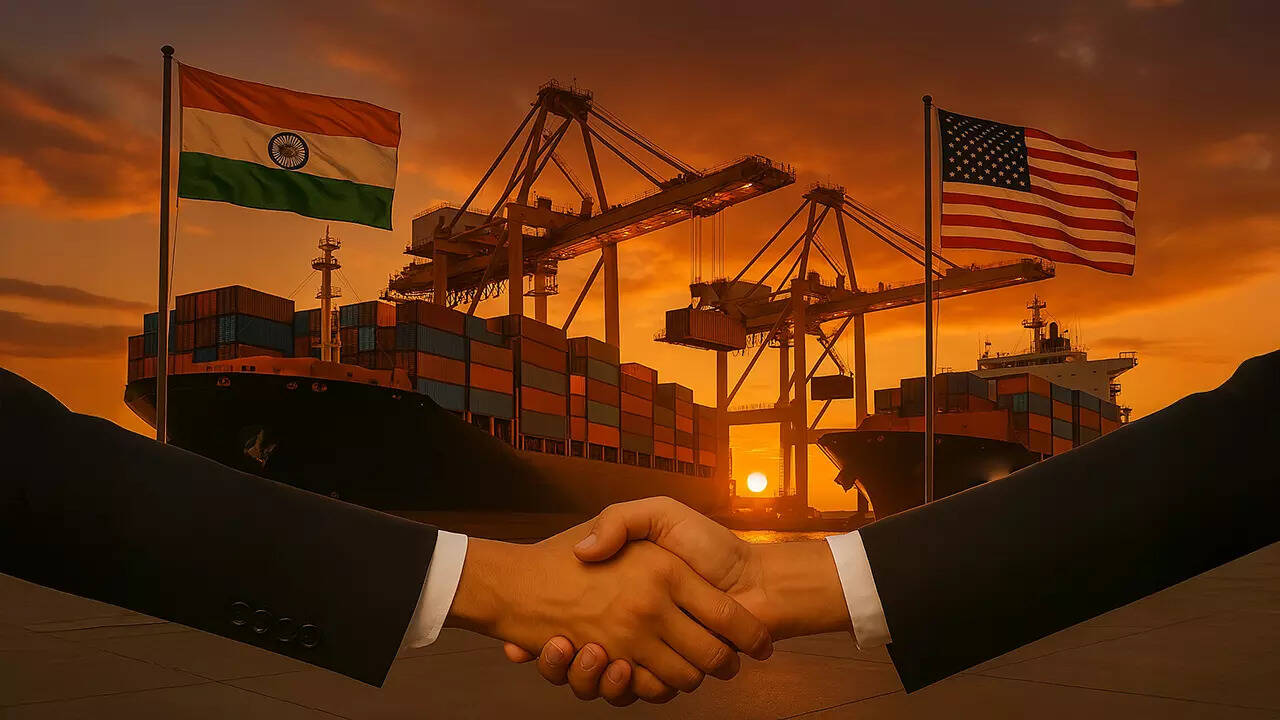
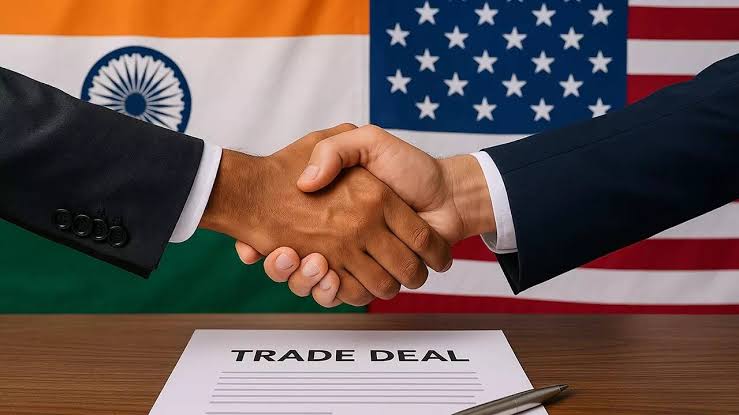
Deputy US Trade Representative Rick Switzer’s delegation will hold parallel discussions focused on tariff disputes, market access, and regulatory bottlenecks that have hindered previous attempts at a trade agreement. Earlier reports indicated that both sides aim to narrow differences before the end of the current US administration’s term.
The talks also come at a time when Washington has shown interest in reducing certain tariffs imposed on Indian goods. According to reports, the US could revisit the punitive tariff regime that emerged partly in response to India’s large-scale purchases of Russian oil. New Delhi has maintained that its energy choices are driven by affordability and national interest.
The Indian government has prioritised securing a stable and predictable trade environment as industries seek clarity on duties affecting sectors such as textiles, electronics, pharmaceuticals, and information technology services. Switzer’s presence is expected to give the ongoing discussions renewed momentum.
Regional Context: Visit Follows Putin’s Two-Day Trip
The diplomatic timing of the US visit has drawn attention, as it follows Russian President Vladimir Putin’s two-day meeting with Prime Minister Narendra Modi earlier this week. India continues to balance its historic defence and energy ties with Russia while deepening its strategic partnership with the United States.
Analysts believe Washington’s renewed outreach signifies a push to keep US-India relations on a steady upward trajectory amid shifting global alliances. Both countries share an interest in maintaining stability in the Indo-Pacific and boosting cooperation on advanced technologies, cybersecurity, and defence manufacturing.
Technology, AI, and Space Exploration on the Agenda
Beyond trade, Hooker’s visit will emphasise expanding cooperation in critical technology domains. The US and India have previously announced joint initiatives on AI safety, semiconductor manufacturing, and space exploration through NASA and ISRO. Her meetings in Bengaluru India’s technology and innovation hub are likely to deepen these areas of partnership.
The two nations have already been working closely through the Initiative on Critical and Emerging Technologies (iCET), which aims to boost collaboration in quantum computing, advanced telecom, defence innovation, and clean energy systems. Additional areas of cooperation may be discussed during this week’s meetings.
India’s Strategic Position in Global Trade
India has been pushing to increase its share in global manufacturing and reduce trade barriers that restrict exports to advanced markets. A more favourable trade arrangement with the US would support Indian industries at a time when global supply chains are reorganising.
The Indian Ministry of Commerce has maintained that a balanced deal could boost bilateral trade, which already stands above USD 190 billion. Discussions with the US have previously stalled due to disagreements over agricultural imports, digital taxes, and intellectual property concerns. However, both sides now appear willing to move forward with renewed urgency.