
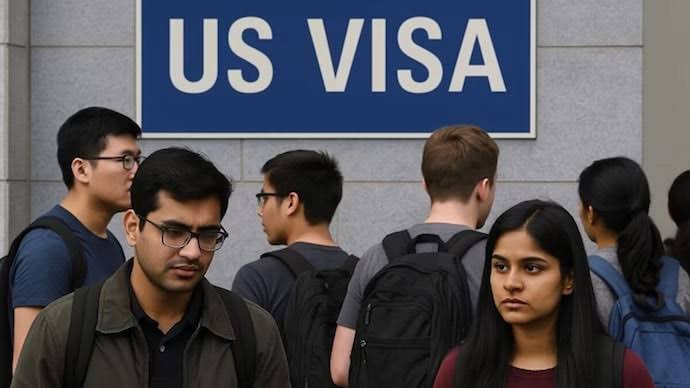
From Open-Ended to Fixed Terms
Since 1978, F and J visa holders have entered the US on the basis of “duration of status,” meaning they could stay as long as their academic or exchange program continued, without applying for extensions. Critics say this allowed individuals to overstay or exploit loopholes without periodic government checks.
The proposed system would instead require visa holders to leave the US or apply for an extension once their fixed term expires. Students enrolled in doctoral or long-term research programs could be granted additional time, but only through a separate review process by immigration officials.

The rule could have a profound effect on families of skilled immigrants, particularly children of H-1B visa holders from India and China. Under existing policies, these children—often referred to as “Documented Dreamers”—lose eligibility for a green card when they turn 21. The new restrictions, taking effect on August 15, 2025, could accelerate that timeline, leaving thousands vulnerable to deportation unless they transition to a student visa or another legal pathway.
Immigration advocates warn that this could disrupt the education of many students, force them into uncertain legal situations, and make the US less attractive as a destination for higher studies. According to recent Indian government reports, the US hosts one of the largest communities of Indian students abroad, making the country’s policies critical for Indian families.
Foreign Journalists Face 240-Day Cap
For international media professionals, the proposed rule introduces a strict 240-day limit. Journalists currently working in the US often receive visas aligned with their assignment duration. A fixed cap, however, could create logistical challenges for long-term foreign correspondents covering politics, business, or culture.
Media rights groups have expressed concern that these changes may restrict press freedom and international reporting. They argue that the administrative burden of frequent extensions could discourage foreign outlets from maintaining bureaus in the US.
Administration’s Justification
Officials defending the rule say that periodic vetting is necessary to protect national security and ensure compliance with visa conditions. The Department of Homeland Security (DHS) emphasized that fixed terms will allow immigration officers to re-evaluate applicants at regular intervals, reducing the risk of overstays.
A DHS statement noted: “The current system has not kept pace with evolving threats. Fixed-term visas provide a balanced approach between welcoming international talent and protecting American interests.”
What Happens Next?
The proposal is currently open for public comments before it can be finalized. Immigration experts believe there will be legal challenges if the rule is implemented, especially from universities, advocacy groups, and foreign media organizations that depend on flexible visa policies.
For now, international students planning to study in the US for the Fall 2025 session are being advised to monitor updates from the US Citizenship and Immigration Services (USCIS) and consult their institutions for guidance on how these changes might affect them.