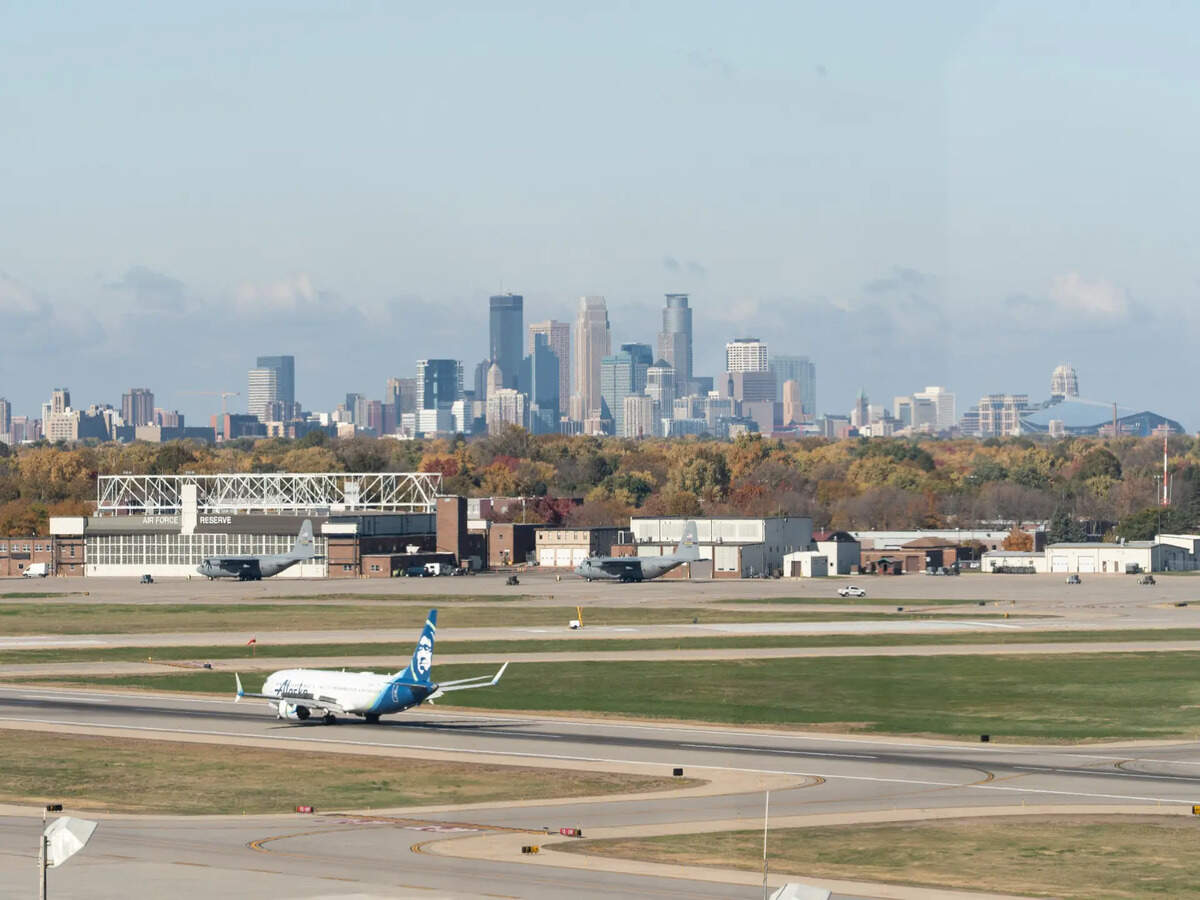
The prolonged U.S. government shutdown has prompted regulators to order flight reductions at some of the nation’s busiest airports, forcing major carriers to trim schedules and scramble to rebook passengers ahead of the Thanksgiving travel surge.
What triggered the cuts
U.S. Transportation Secretary Sean Duffy said regulators would order steep reductions in flights at roughly 40 of the country’s busiest airports after staffing shortages raised safety and operational concerns. The move follows weeks of unpaid duty for thousands of air traffic controllers and security screeners affected by the shutdown.
Officials say roughly 13,000 air traffic control personnel and about 50,000 transportation security officers have been working without pay, creating strains on daily operations and raising the risk of widespread delays.
 How the reductions will roll out
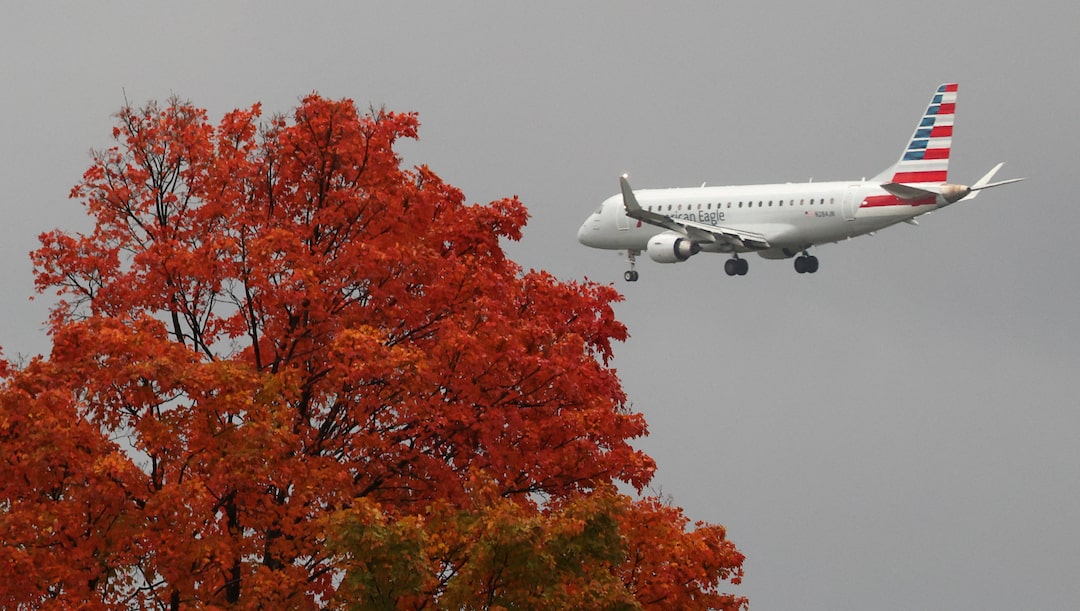
Industry sources told reporters the first round of cuts would remove about 4% of scheduled flights effective as soon as Friday rising to 5% on Saturday, 6% on Sunday and potentially reaching 10% by next week if the shutdown continues.
Delta Air Lines confirmed it would begin reducing flights from Friday but said it expected to operate the majority of its schedule, including international long-haul services.
Impact on travellers and carriers
Airlines including United, American and Southwest have reported a sharp uptick in customer queries on social platforms as travellers seek clarity about flight status and rebooking. Industry estimates indicate tens of thousands of delays already and suggested at least 3.2 million travellers have felt some effect from shutdown-related disruptions so far.
Carriers are prioritising rebooking and targeted cancellations. United said it would aim most of its cuts at regional and non-hub domestic routes and expects to rebook many affected customers. Frontier described November as a comparatively low-demand period and said cuts could even help its unit revenues.
Operational and economic ripple effects
Beyond passenger inconvenience, analysts warn the shutdown could shave airline capacity and dent fourth-quarter metrics if it persists. TD Cowen estimated up to a 2.5–3% hit to available seat miles in the worst-case scenario through the quarter.
For airlines, the challenge is logistical: trimming schedules to reduce controller workload while keeping hubs and key international links operating. For travellers, the immediate concern is timing with Thanksgiving approaching, millions of Americans rely on early certainty for bookings and family travel.
Regulatory steps and next moves
The Federal Aviation Administration was expected to formalise the order for flight reductions. The directive aims to ease pressure on controllers who were already understaffed by roughly 3,500 before the shutdown, with many working extended overtime and six-day weeks.
Unless Congress reaches agreement to reopen the government, officials warn that cuts could deepen and delays multiply during peak holiday travel days.
How passengers should prepare
Travel experts advise passengers to check with airlines frequently, sign up for flight alerts and consider travel insurance for non-refundable bookings. In social media replies, travellers urged carriers to post cancellations early at least a week ahead of major holidays to allow people time to adjust plans.